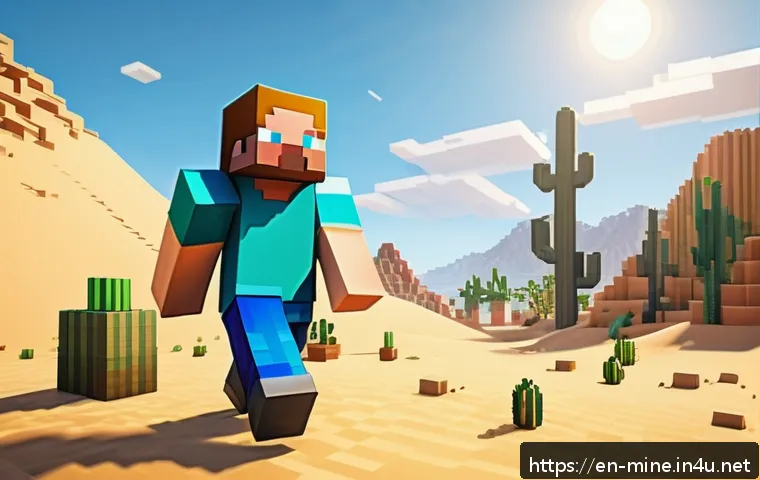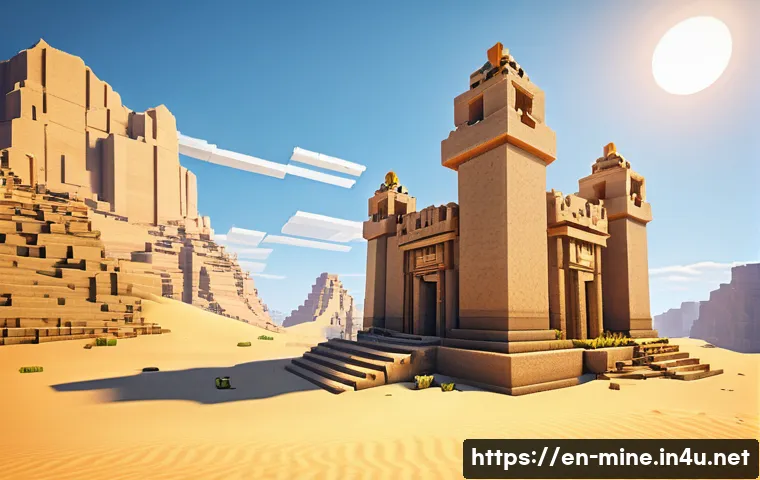
Exploring ancient ruins in Minecraft offers a fascinating glimpse into the game’s rich history and hidden secrets. Restoring these structures not only breathes new life into forgotten landscapes but also challenges players to combine creativity with strategy.
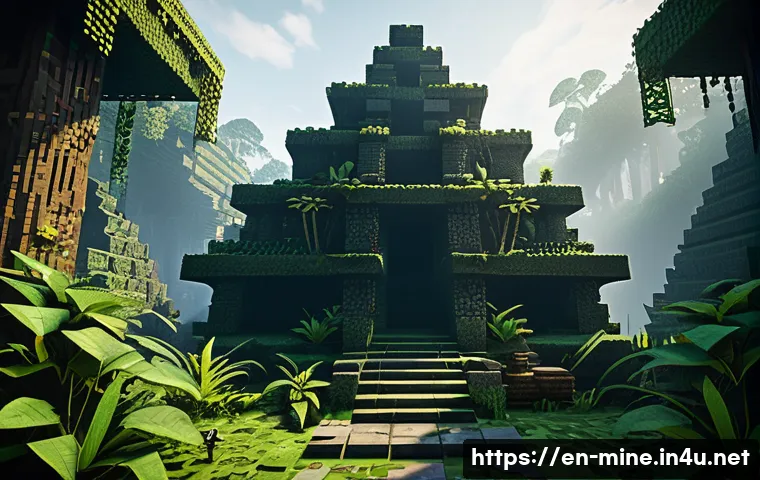
Whether you’re a seasoned builder or a curious adventurer, the restoration project deepens your connection to the Minecraft world. It’s amazing how bringing these ruins back to their former glory can transform your gameplay experience.
Ready to dive into the details? Let’s uncover the full story together!
Uncovering the Secrets Behind the Ruins
How Ruins Tell a Story
Exploring ancient ruins in Minecraft goes beyond just stumbling upon broken walls and crumbling towers; each piece you find carries a tale waiting to be unraveled.
These structures are remnants of forgotten civilizations within the game’s lore, often hinting at past battles, lost treasures, or mysterious inhabitants.
I remember wandering through a dilapidated temple once, and noticing the faint patterns in the stonework that suggested a culture centered around sun worship.
It’s incredible how these subtle details invite players to imagine the lives and stories of Minecraft’s ancient denizens, turning simple exploration into a narrative adventure.
Identifying Architectural Styles
One of the trickiest yet most rewarding aspects of working with ruins is recognizing the architectural style they belong to. Different biomes and Minecraft updates introduced varied structures—desert temples, jungle pyramids, shipwrecks, and more—each with unique design elements.
I found that paying close attention to block types, layout patterns, and decorative motifs helps in piecing together what kind of structure you’re dealing with.
For example, sandstone and gold blocks usually indicate desert ruins, while mossy cobblestone and vines hint at jungle temples. Understanding these styles not only aids restoration but also enriches the immersive experience.
Common Challenges in Ruin Exploration
Navigating through ancient ruins isn’t always straightforward. Many ruins are partially buried, hidden behind dense foliage, or trapped with hazards like TNT or lava pools.
On one of my exploration trips, I nearly triggered a hidden trap that would have destroyed half the temple I was investigating. It’s crucial to proceed with caution, use tools like torches for lighting, and sometimes even bring along potions or armor to survive unexpected dangers.
These challenges add a layer of excitement and realism, making each discovery feel earned and memorable.
Strategies for Authentic Restoration
Gathering the Right Materials
Restoring ruins authentically means sourcing materials that match the original build as closely as possible. This often requires venturing out to different biomes or trading with villagers to collect rare blocks like chiseled stone bricks, smooth sandstone, or cracked cobblestone.
From my experience, having a well-organized inventory and storage system is a lifesaver, especially when dealing with diverse materials. It’s tempting to substitute blocks for convenience, but sticking to the original palette preserves the atmosphere and historical feel of the ruins.
Balancing Creativity and Accuracy
While accuracy is key, restoration also offers a creative outlet. Sometimes ruins are incomplete or damaged beyond repair, leaving room for imaginative reconstruction.
I like to think of it as filling in the gaps without losing the original vibe. For instance, if a wall is missing large sections, I’ll replicate the pattern using the same block types but might add subtle variations to indicate weathering.
This approach keeps the project authentic yet personalized, blending the past with your own artistic touch.
Using Tools to Aid Restoration
Modern Minecraft tools and mods can significantly streamline the restoration process. Tools like WorldEdit or structure blocks allow for quick copying and pasting of complex builds, while texture packs can enhance the visual fidelity of your ruins.
However, relying too heavily on these can detract from the sense of accomplishment. I prefer using such tools sparingly, reserving them for repetitive tasks or difficult placements.
This way, I maintain a hands-on connection with the project, which makes the finished restoration all the more satisfying.
Integrating Ruins Into Your World
Creating a Narrative Around the Ruins
Once restored, ruins can become focal points for storytelling in your Minecraft world. I often weave backstories involving ancient kings, forgotten wars, or magical relics tied to the site.
This not only enhances immersion but also motivates future gameplay, such as quests or role-playing scenarios. Sharing these stories with friends or the broader Minecraft community can spark fascinating discussions and inspire others to embark on similar projects.
Designing Surrounding Landscapes
Ruins don’t exist in isolation—they belong within a larger environment that should reflect their history. I take time to shape the surrounding terrain, adding overgrown vegetation, broken pathways, or nearby villages that hint at how the ruins once connected with the living world.
For example, placing scattered bones or abandoned tools near the site can evoke a sense of mystery and abandonment. These details transform a static build into a living, breathing part of your Minecraft ecosystem.
Using Ruins as Functional Bases
Beyond aesthetics, restored ruins can serve practical purposes. I’ve converted some into hidden bases, treasure vaults, or enchanting rooms, cleverly preserving their ancient appearance while adding modern functionality.
This dual role keeps the ruins relevant and integrated into daily gameplay, rather than just being decorative. Plus, it’s rewarding to imagine using the same spaces as long-lost adventurers once did, bridging past and present in a unique way.
Essential Tools and Materials for Restoration
Key Building Blocks
Restoration requires a selection of blocks that closely mimic the textures and colors of the original ruins. Common materials include:- Stone bricks (regular, cracked, mossy)
– Sandstone variants (smooth, chiseled)
– Cobblestone and mossy cobblestone
– Wooden planks and logs for structural accents
– Decorative blocks like lanterns, vines, and iron barsCollecting these blocks can be time-consuming but is vital for authenticity.
Tools That Make Restoration Easier
Having the right tools speeds up the process and increases precision. I always carry:- Pickaxes and shovels enchanted with Efficiency and Unbreaking
– Shears for collecting vines and leaves
– Torches for lighting dark areas
– Buckets of water and lava for clearing hazardsThese simple tools help keep the restoration smooth and safe.
Additional Resources
Certain items can enhance restoration, such as:- Bone meal for growing vegetation around the ruins
– Redstone components for traps or lighting effects
– Dye for adding subtle color variations to wool or bannersThese extras bring life and detail to your project beyond just rebuilding stone walls.
Common Mistakes to Avoid During Restoration
Over-Restoring and Losing Character
One of the biggest pitfalls I’ve seen is over-restoration—making ruins look too new or perfect. The charm of these structures lies in their weathered, broken state.
Keeping cracks, moss, and broken sections intact adds realism and history. Resist the urge to fix every detail; instead, aim for a balance between restoration and preservation.
Ignoring the Original Layout
Altering the original floor plan or structure too much can erase the ruins’ identity. I learned this the hard way when I tried to “improve” a jungle temple by expanding its rooms, only to lose the sense of mystery.
It’s best to follow the original blueprint closely and only fill in missing blocks or stabilize walls.
Neglecting Surrounding Environment
Restoring ruins without considering their surroundings often results in a disconnected build. I recommend landscaping and adding context to make the ruins feel like a natural part of the world.
Overgrown plants, nearby water sources, or even small animal mobs can add layers of depth that purely structural restoration misses.
Comparing Different Types of Minecraft Ruins
Desert Temples vs. Jungle Pyramids
Desert temples are typically made from sandstone, featuring symmetrical designs and hidden traps beneath the floor. Jungle pyramids use mossy stone bricks and have a more rugged, vine-covered appearance.
Both offer unique challenges for restoration, such as dealing with sand erosion or dense foliage removal.
Shipwrecks and Ocean Ruins
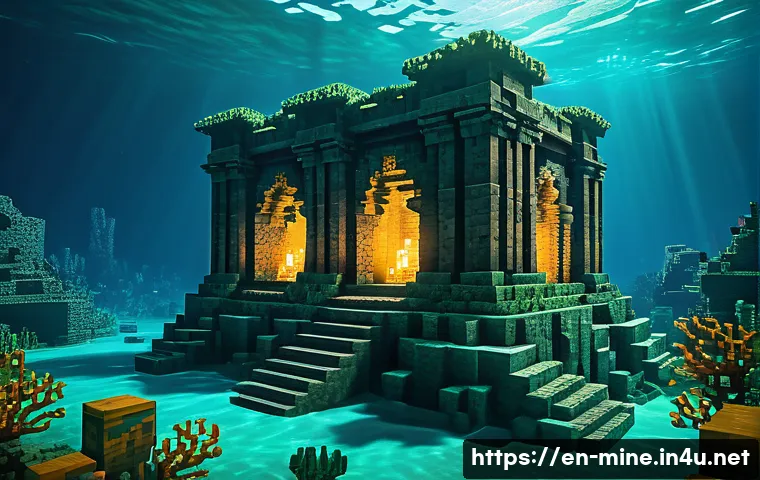
These underwater or coastal structures require different approaches, often involving water management and delicate block replacement. Shipwrecks usually consist of wood and planks, while ocean ruins have prismarine and sea lanterns.
Restoring these can feel like piecing together a sunken history.
Nether Fortresses and Bastions
Nether ruins bring a darker tone with their nether brick and basalt materials. Restoring them demands careful planning to avoid hostile mobs and lava flows.
These ruins add a thrilling, ominous atmosphere to your Minecraft world.
| Ruin Type | Primary Materials | Unique Restoration Challenges | Typical Location |
|---|---|---|---|
| Desert Temple | Sandstone, Chiseled Sandstone, Gold Blocks | Sand erosion, hidden TNT traps | Desert Biomes |
| Jungle Pyramid | Mossy Cobblestone, Stone Bricks, Vines | Dense foliage, spider spawners | Jungle Biomes |
| Shipwreck | Wooden Planks, Wool, Logs | Water flooding, fragile wood | Ocean or Beaches |
| Ocean Ruins | Prismarine, Sea Lanterns, Stone Bricks | Underwater visibility, water currents | Ocean Biomes |
| Nether Fortress | Nether Bricks, Basalt, Quartz | Hostile mobs, lava hazards | Nether Dimension |
Enhancing Your Restoration with Redstone and Decoration
Adding Functional Redstone Features
Incorporating redstone mechanisms can breathe life into ruins, turning them into interactive environments. I’ve added secret doors, trap triggers, and lighting systems to some of my restored temples, which adds a sense of discovery and danger.
It’s rewarding to see a once-abandoned ruin become a dynamic part of the gameplay.
Decorative Details That Make a Difference
Small touches like placing lanterns, banners, or flower pots dramatically enhance the ambiance. I like to scatter cobwebs or cracked blocks to emphasize age, and use foliage strategically to create overgrowth.
These details don’t just beautify the ruins; they tell a story of nature reclaiming a forgotten place.
Lighting for Atmosphere and Safety
Proper lighting is essential not only for visibility but also for setting the mood. Using a mix of torches, lanterns, and glowstone can create eerie shadows or warm glows depending on the ruin’s theme.
Lighting also prevents mob spawning, making your restored area safer and more inviting for exploration.
Collaborating and Sharing Your Restoration Journey
Working with Friends or Online Communities
Restoring large ruins can be a huge task, and teaming up with friends or joining Minecraft forums can make the process more fun and efficient. Sharing tips, resources, and progress updates creates motivation and fosters creativity.
I’ve met some amazing builders who helped me refine my techniques and discover new restoration ideas.
Documenting Your Process
Keeping a journal or video log of your restoration journey not only tracks progress but also helps others learn from your experience. I personally enjoy taking screenshots at different stages and writing about the challenges I faced.
This documentation adds a personal touch and can inspire fellow players.
Showcasing Your Work
Once your project is complete, consider sharing it on platforms like YouTube, Reddit, or dedicated Minecraft servers. Getting feedback and appreciation from other players is incredibly rewarding and encourages you to take on even more ambitious builds.
Plus, it’s a great way to connect with a community that shares your passion for Minecraft’s rich history and creativity.
Conclusion
Exploring and restoring Minecraft ruins offers a unique blend of adventure, creativity, and storytelling. Each ruin holds its own history, inviting players to connect with the world on a deeper level. Whether you’re preserving authentic details or adding your personal flair, the journey enriches your gameplay experience. Embracing both challenges and rewards makes every restoration project truly memorable.
Useful Information to Keep in Mind
1. Always gather materials that closely match the original blocks to maintain authenticity in your restoration projects.
2. Be cautious of hidden traps or environmental hazards while exploring ruins to avoid damaging your build or losing valuable resources.
3. Incorporate storytelling elements and landscape design around ruins to create immersive and engaging environments.
4. Use redstone and decorative details thoughtfully to bring ruins to life without compromising their aged charm.
5. Collaborate with others and document your restoration process to enhance creativity and share your achievements with the community.
Key Takeaways
Preserving the character of ruins means balancing restoration with natural wear and tear—avoid over-restoring to keep their authentic feel. Respect the original architecture and layout to maintain historical integrity. Always consider the surrounding environment to integrate ruins seamlessly into your world. Proper preparation, including the right tools and materials, is essential for a successful restoration. Lastly, sharing your journey not only motivates you but also inspires others to explore and restore their own Minecraft treasures.
Frequently Asked Questions (FAQ) 📖
Q: What are the best strategies for restoring ancient ruins in Minecraft?
A: When restoring ancient ruins, start by carefully documenting the original structure before making any changes. Use materials that closely match the existing blocks to maintain authenticity.
It helps to gather all necessary resources beforehand to avoid interruptions. Experiment with lighting and landscaping around the ruins to highlight their features.
From my experience, combining patience with creative touches, like adding subtle overgrowth or hidden pathways, really brings the ruins to life without losing their mysterious vibe.
Q: How can restoring ruins enhance my overall Minecraft gameplay?
A: Restoring ruins adds a unique layer of purpose and storytelling to your game. It encourages exploration as you search for scattered pieces and clues about the original design.
This process sharpens your building skills and challenges you to blend creativity with strategic planning. Personally, I found that working on restoration projects made my world feel more immersive and rewarding, turning simple survival or creative mode play into a meaningful adventure with a rich backstory.
Q: Are there any common mistakes to avoid when working on ruin restoration projects?
A: One common pitfall is rushing the restoration without fully understanding the original layout, which can lead to a loss of the ruin’s character. Avoid using overly modern or flashy blocks that clash with the ancient aesthetic.
Another mistake is neglecting the environment; ruins often look best when integrated naturally with their surroundings. I learned that taking time to study the ruin’s context and balancing restoration with preservation results in a more authentic and visually appealing outcome.