As urban design continues to captivate gamers and creators alike, mastering city planning mods in Minecraft offers a thrilling way to bring your dream metropolis to life.
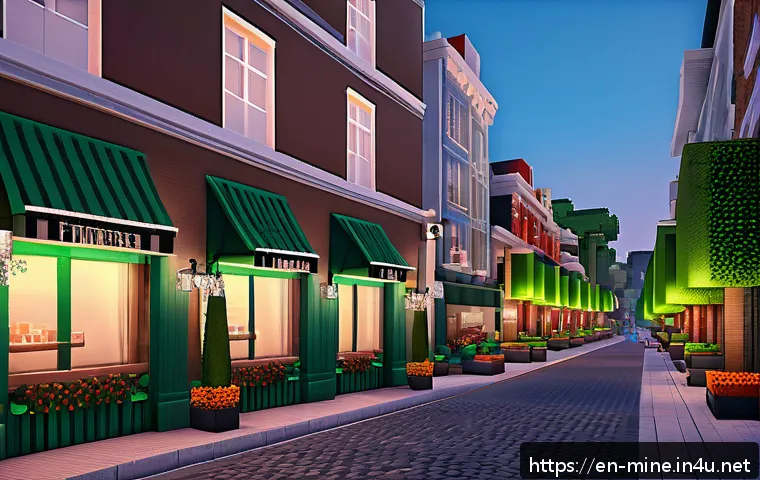
With the surge in community-driven mods enhancing gameplay, now’s the perfect time to dive deep into tools that elevate your builds beyond the ordinary.
Whether you’re a seasoned builder or just starting, these mods unlock new possibilities for crafting intricate road networks, zoning districts, and vibrant cityscapes.
I’ve spent hours experimenting with the latest mods, and the creative freedom they provide is truly game-changing. Stick around to discover how you can transform your Minecraft world into an urban masterpiece that’s both functional and visually stunning.
Ready to build the city of your dreams? Let’s get started!
Enhancing Your Urban Layout with Advanced Road Systems
Customizing Road Types for Realistic Traffic Flow
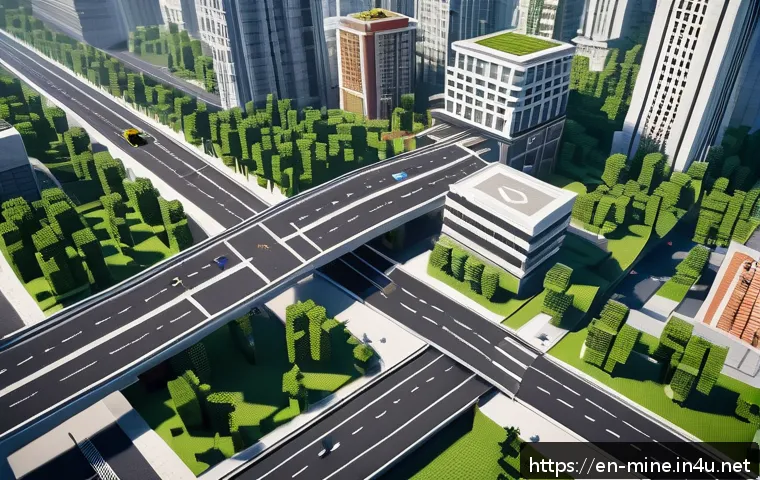
When building a city in Minecraft, roads are the veins that bring life to your metropolis. Using mods that introduce various road types—such as highways, pedestrian walkways, and bike lanes—can drastically improve the realism and functionality of your city.
From my experience, incorporating multi-lane highways alongside quieter residential streets creates a natural traffic hierarchy, making your city feel alive and dynamic.
The ability to customize road widths, materials, and markings adds a whole new layer of detail that vanilla Minecraft simply can’t match.
Integrating Traffic Signals and Roundabouts
I was particularly impressed when I first experimented with mods that allow the placement of traffic lights and roundabouts. These not only look cool but also enhance gameplay by managing vehicle and pedestrian flow, especially in bustling downtown areas.
Adding these elements encourages players to think about traffic management, which is a key aspect of real urban planning. Plus, it’s satisfying to watch AI or player-driven vehicles navigate these intersections smoothly.
Optimizing Road Networks for Expansion
Planning for growth is crucial. I learned that using modular road pieces helps immensely when you want to expand your city later. These pieces snap together seamlessly, allowing for easy adjustments without tearing down entire sections.
This flexibility saved me tons of time when my city’s population started booming, and I had to add new neighborhoods and commercial districts quickly.
Creating Dynamic Zoning Districts for Lively Neighborhoods
Balancing Residential, Commercial, and Industrial Areas
A thriving city depends on well-planned zoning. I found that the best mods let you designate zones with clear boundaries and specific building restrictions, just like in real urban planning.
Balancing residential, commercial, and industrial zones ensures that your citizens have places to live, work, and play without causing pollution or traffic nightmares.
Experimenting with this balance makes your city feel functional and believable, with each district contributing to the overall ecosystem.
Utilizing Mixed-Use Zones for Vibrancy
One of the coolest features I discovered is the ability to create mixed-use zones, blending residential and commercial spaces. This approach encourages walkability and reduces commute times, which is a game-changer for immersive city building.
I noticed that neighborhoods with cafes, shops, and apartments mixed together had a more vibrant atmosphere, making my city feel less like a grid and more like a living organism.
Implementing Green Spaces Within Zoning
Parks and recreational areas are essential for a balanced urban environment. The mods I used allowed me to carve out green zones that boost citizen happiness and add aesthetic appeal.
Strategically placing these green spaces within residential zones improved the overall vibe and gave my city that extra touch of realism, making it a place where players actually want to spend time.
Mastering Infrastructure with Utilities and Services
Efficient Placement of Power and Water Systems
Managing utilities can be tricky, but mods that simulate power grids and water supply systems add depth to city planning. I found that carefully placing power plants, water towers, and distribution lines made my city more functional and visually interesting.
Watching how these systems interact and affect your city’s growth adds an engaging challenge that’s surprisingly rewarding.
Emergency Services and Public Safety
Including fire stations, hospitals, and police departments using mods not only improves the realism of your city but also impacts gameplay by preventing disasters and maintaining order.
I noticed that cities with well-placed emergency services recovered faster from incidents like fires or crime spikes, which kept my population happy and growing steadily.
Public Transportation Networks
Building bus routes, subway lines, or tram tracks using mods transformed how people move around my city. It’s fascinating to see how efficient public transit reduces traffic congestion and promotes sustainable growth.
Designing transit hubs and integrating them with other infrastructure became one of my favorite parts of city building, making my Minecraft world feel truly connected.
Designing Iconic Architecture and Urban Landmarks
Incorporating Modular Building Kits
To add character to your city, using mods that offer modular building kits is a game-changer. These kits allow you to assemble intricate skyscrapers, cultural centers, and unique homes with ease.
I’ve found that mixing different architectural styles creates a more diverse and visually striking skyline, giving your city a distinct personality.
Creating Functional Public Spaces
Parks, plazas, and marketplaces are more than decoration—they’re social hubs. Mods that provide customizable public space elements let you design areas where players and NPCs can gather, interact, and enjoy events.
I loved setting up a central plaza with benches, fountains, and market stalls, which became the heartbeat of my city.
Utilizing Lighting and Decoration Effects
Lighting can make or break the atmosphere of your urban environment. I experimented with mods that add street lamps, neon signs, and seasonal decorations, which brought my city to life during nighttime or special events.
The subtle glow from these elements added warmth and realism that kept me exploring my city long after sunset.
Streamlining City Management with Automation Tools
Automated Building and Terrain Editing
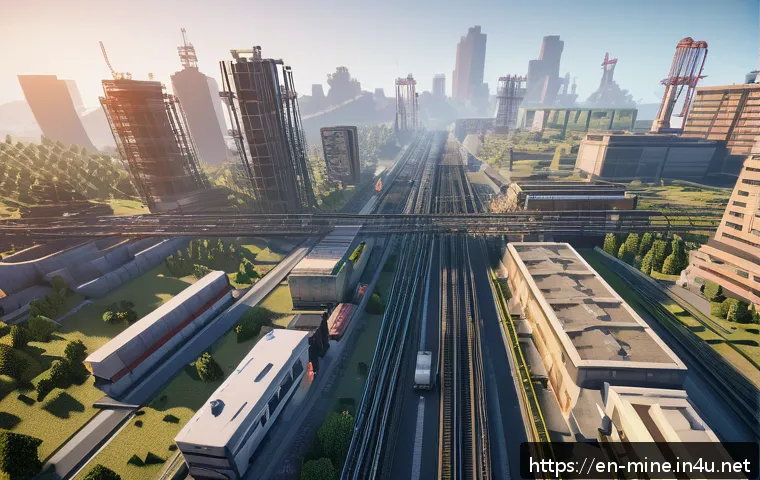
Some mods include automation features for building and terrain shaping, which saved me countless hours. Whether it’s flattening land for new development or placing repetitive structures like streetlights, these tools speed up construction without sacrificing detail.
It’s like having a digital assistant that handles tedious tasks so you can focus on creativity.
Resource Management and Economy Systems
Incorporating economic mods that simulate budgets, taxes, and resource flow adds a strategic layer to city planning. I noticed that managing your city’s finances realistically makes the gameplay more immersive, forcing you to make tough decisions about where to invest or cut back.
This complexity made every new district feel earned and meaningful.
Monitoring Citizen Feedback and Growth Trends
Tracking how your citizens react to your urban design is crucial for long-term success. Some mods provide detailed dashboards showing happiness levels, traffic congestion, and population growth.
I found this data invaluable for tweaking my city’s layout and services, ensuring steady expansion without major hiccups.
Comparing Popular City Planning Mods for Minecraft
| Mod Name | Key Features | Best For | Learning Curve | Compatibility |
|---|---|---|---|---|
| MineCity Planner | Advanced zoning, custom roads, traffic lights | Detailed urban planners | Moderate | Compatible with most building mods |
| UrbanCraft | Public transport systems, utilities, emergency services | Sim players focusing on infrastructure | High | Requires specific world generation mods |
| CityScape Builder | Modular buildings, landmarks, decorative lighting | Creative builders and architects | Low | Highly compatible |
| AutoCity Tools | Automation for terrain and structure placement | Efficiency-focused players | Moderate | Works well with other automation mods |
| EcoSim Mod | Economy simulation, citizen feedback dashboards | Players who love management challenges | High | Best with urban mods |
Optimizing Performance for Large-Scale Cities
Reducing Lag with Mod Combinations
Building massive cities can strain Minecraft’s performance, especially when multiple mods are involved. From trial and error, I learned that carefully selecting mods that are optimized for performance helps maintain smooth gameplay.
Avoiding redundant features and regularly updating mods also minimized crashes and lag spikes.
Chunk Management and World Loading Tips
Managing how chunks load and unload is vital for keeping your city responsive. Mods that allow you to preload chunks or selectively unload unused areas improved my experience dramatically.
This way, even sprawling urban areas remained snappy, and I could focus on building without frustrating delays.
Hardware Considerations for Ambitious Builds
No matter how optimized your mods are, hardware matters. I upgraded my PC’s RAM and graphics card to handle larger cities, and the difference was night and day.
If you’re serious about massive urban projects, investing in better hardware or using cloud-based Minecraft servers can help keep your builds running smoothly.
Collaborating and Sharing Your Urban Creations
Hosting Multiplayer City Projects
I found that collaborating with friends or community members on city builds brought fresh ideas and faster progress. Using mods that support multiplayer synchronization ensured everyone saw the latest updates without conflicts.
It’s rewarding to see a shared vision come together piece by piece.
Showcasing Your City Online
Sharing screenshots, videos, or even world downloads on platforms like YouTube, Reddit, and Minecraft forums helped me get valuable feedback and inspired others.
Many mods include built-in camera tools or cinematic modes to capture your city’s best angles, which is great for content creators.
Participating in Urban Design Challenges
Joining community challenges or competitions focused on city building pushed me to refine my skills and try new styles. These events often encourage the use of specific mods or themes, helping you expand your creativity and connect with like-minded players.
It’s a fantastic way to stay motivated and improve.
Conclusion
Enhancing your urban layout with advanced road systems and thoughtful city planning mods can truly transform your Minecraft world into a vibrant, living metropolis. From customizing roads to integrating utilities and public services, each element adds depth and realism that keeps gameplay engaging. Experimenting with different mods and strategies not only improves your city’s functionality but also fuels creativity and long-term satisfaction.
Helpful Information to Keep in Mind
1. Choose mods that complement each other to avoid performance issues and ensure smooth gameplay.
2. Balance your city’s zoning carefully—mix residential, commercial, and industrial areas for a realistic and dynamic environment.
3. Incorporate public transportation and utilities early to support efficient growth and maintain citizen happiness.
4. Utilize automation tools to save time on repetitive tasks, allowing more focus on creative design and expansion.
5. Regularly monitor citizen feedback and city data to make informed decisions that enhance overall gameplay experience.
Key Takeaways for Successful Urban Planning
Effective city building relies on a strategic blend of realistic road networks, zoning balance, and essential infrastructure. Prioritizing performance optimization and hardware capabilities ensures your large-scale projects run smoothly. Collaboration and sharing your progress can inspire new ideas and help you grow as a builder. Above all, combining creativity with thoughtful planning makes your Minecraft city feel truly alive and rewarding to develop.
Frequently Asked Questions (FAQ) 📖
Q: uestionsQ1: What are the best city planning mods for Minecraft to create realistic urban environments?
A: From my experience, some standout mods include “MineColonies” for managing citizens and building infrastructure, “BuildCraft” for automated construction, and “City Planner” which offers zoning tools and road layouts that mimic real-world urban planning.
These mods let you design detailed districts, control traffic flow, and add life to your city with NPCs. Combining them can significantly enhance the realism and functionality of your builds.
Q: How beginner-friendly are city planning mods, and do they require advanced Minecraft skills?
A: Honestly, many city planning mods are designed to be accessible even if you’re new to modding or urban design in Minecraft. While some features might take a bit of time to master—like setting up complex road networks or automated systems—the mods usually come with tutorials or community guides.
Starting small and gradually experimenting lets you build confidence without feeling overwhelmed, making the creative process enjoyable rather than frustrating.
Q: Can these mods improve gameplay performance, or do they typically cause lag in large cities?
A: Performance can vary depending on your computer specs and the complexity of your city. From my tests, some mods are optimized to handle large builds efficiently, but when you pack in too many automated systems or high-detail structures, lag can creep in.
To keep things smooth, it helps to tweak mod settings, limit the number of active entities, and use performance-enhancing mods alongside city planners.
Balancing detail and optimization is key to a fun, lag-free urban experience.