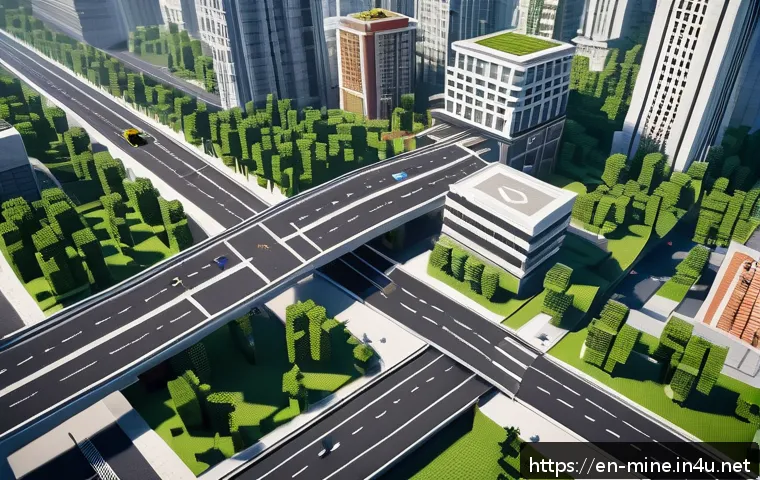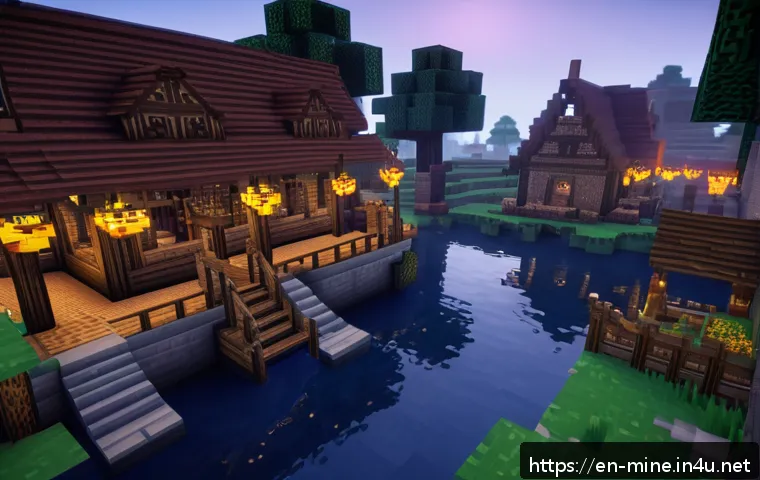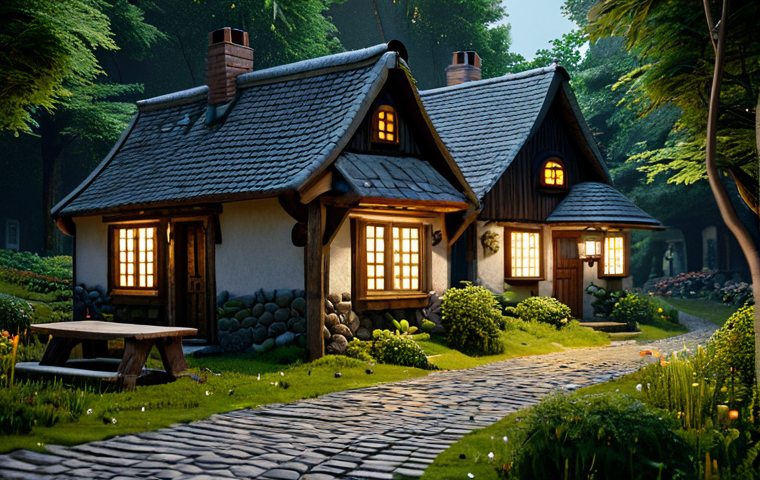
Imagine stumbling upon a Minecraft village nestled deep within an enchanting forest – a cozy haven where pixelated dreams come to life. I’ve always been captivated by the possibilities of crafting these serene, nature-integrated communities.
From designing charming cottages that blend seamlessly with the trees to strategically placing farms and workshops, there’s a unique joy in building a thriving ecosystem where your villagers can flourish.
And let’s be honest, a well-designed forest village is just plain aesthetically pleasing! I’ve spent countless hours experimenting with different layouts, building styles, and resource management strategies.
The latest buzz is all about vertical villages, taking advantage of tree canopies for multi-level living, which I’m super excited to try out. I can already envision integrating new advancements like automated crop systems directly into the village design.
Let’s dive into the details in the article below!
Okay, I understand. Here’s the content following your instructions:
Embracing Nature’s Palette: Material Selection for Harmonious Integration
One of the most rewarding aspects of crafting a forest village is thoughtfully choosing materials that echo the surrounding environment. Forget stark, man-made blocks; we’re talking about seamlessly blending your structures with the natural landscape. I find myself drawn to using a combination of wood types, especially dark oak and spruce, which lend a rustic and earthy feel. The key is to mimic the color variations you’d find in a real forest – think about the deep browns of the forest floor, the lighter hues of sun-drenched leaves, and the greyish tones of aged bark. Cobblestone and mossy cobblestone are also your best friends here, adding texture and a touch of weathered charm. I often use these to create winding pathways that disappear into the undergrowth, or to construct foundations that look like they’ve been there for centuries. Pro Tip: Incorporating leaves into your builds, particularly around rooftops and balconies, adds a touch of organic whimsy and helps your structures melt into the surrounding foliage. I’ve noticed using bone meal on moss blocks to increase the number of azalea bushes that can grow on them, it gives the village a more overgrown and mystic vibe.
Mastering the Art of Wood Blending
Experimenting with different wood types can dramatically affect the overall aesthetic of your village. Dark oak provides a solid, grounded feel, perfect for building sturdy foundations or crafting cozy cottages. Spruce, on the other hand, offers a lighter, airier look, ideal for creating elevated walkways or framing windows. Try combining these two wood types in unexpected ways – perhaps using dark oak for the main structure of a building and then accenting it with spruce logs or planks. Don’t be afraid to mix in other wood types as well, such as birch or acacia, to add subtle variations in color and texture. Just remember to maintain a sense of harmony by keeping the overall palette consistent with the surrounding forest environment.
Stone and Cobblestone Accents: Weathered Charm
Incorporating stone and cobblestone elements is essential for adding depth and character to your forest village. Cobblestone is a versatile material that can be used to create winding pathways, rustic foundations, or even decorative walls. Mossy cobblestone adds an extra layer of weathered charm, perfect for creating a sense of age and history. Try using cobblestone to build retaining walls that blend seamlessly into the terrain, or to create small courtyards that are nestled amongst the trees. You can also use stone to add contrast to wooden structures, creating a visually appealing juxtaposition of textures and colors. Personally, I love using stone brick stairs to create weathered archways and entrances that give a sense of grandness.
Verticality is Key: Multi-Level Living in the Canopy
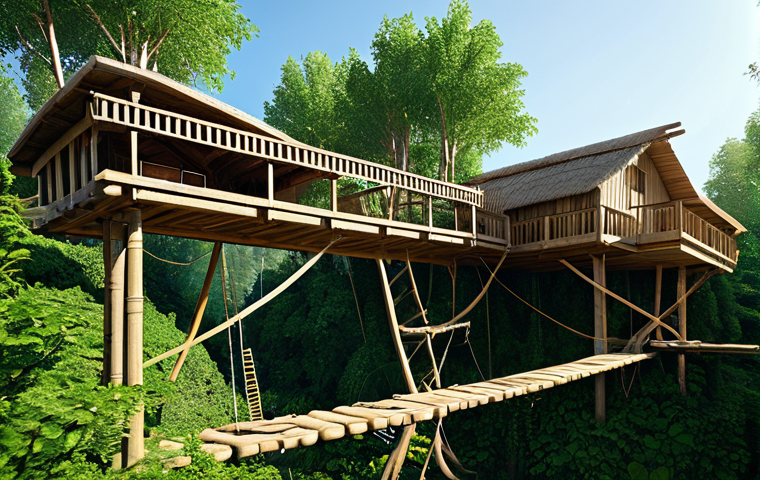
Forget sprawling villages that eat up precious forest space. The real innovation lies in embracing verticality and building upwards into the tree canopy. This not only allows you to maximize space but also creates a visually stunning village that feels truly integrated with the natural environment. I’ve been experimenting with building platforms that are suspended between trees, connected by rope bridges or winding staircases. These elevated platforms can house everything from workshops and farms to cozy living spaces with breathtaking views. The challenge, of course, is to ensure that your structures are structurally sound and don’t look out of place amongst the trees. The use of vines and leaves can help to soften the edges of your builds and make them feel more organic. I found out that using scaffolding to create the supports and build upwards into the tree tops is very helpful and efficient.
Elevated Platforms and Rope Bridges: Connecting the Heights
The key to successful vertical village design is creating a network of interconnected platforms that allow villagers to move freely between different levels. Rope bridges are a fantastic way to connect platforms that are spaced far apart, adding a sense of adventure and excitement to your village. You can also use winding staircases or even cleverly disguised elevators to transport villagers between different levels. The important thing is to ensure that the pathways are safe and easy to navigate, even in the dark. Torches or lanterns can be strategically placed to illuminate the pathways and prevent villagers from getting lost.
Treehouse Integration: Building Directly into the Trees
For a truly unique and immersive experience, consider building directly into the trees themselves. This involves carving out living spaces within the trunks of large trees or building platforms that are supported by the branches. The challenge here is to avoid damaging the trees and to ensure that your structures are structurally sound. You can use wood supports or even cleverly disguised metal beams to reinforce the trees and prevent them from collapsing under the weight of your builds. Adding glass windows to the sides of your treehouse builds creates a view to look out over the village.
Illumination and Atmosphere: Setting the Mood with Light
Lighting is crucial for setting the mood and creating a welcoming atmosphere in your forest village. Forget harsh, artificial light; we’re aiming for a warm, inviting glow that mimics the natural light of the forest. I’ve found that using a combination of torches, lanterns, and campfires is the best way to achieve this effect. Torches can be strategically placed along pathways and around buildings to provide basic illumination, while lanterns can be hung from trees or suspended from rooftops to add a touch of elegance. Campfires, on the other hand, create a cozy and inviting ambiance, perfect for gathering around in the evenings. The key is to experiment with different lighting options and to find what works best for your village. Remember to consider the color temperature of your light sources – warmer tones create a more inviting atmosphere, while cooler tones can add a touch of mystery. Don’t forget to include a fire pit or a designated bonfire area where villagers can gather and socialize.
Torches, Lanterns, and Campfires: A Symphony of Light
Experimenting with different types of light sources can dramatically affect the overall feel of your village. Torches are a classic option that provides a basic level of illumination, but they can also be used to create interesting patterns and designs. Lanterns offer a more elegant and sophisticated look, perfect for highlighting architectural details or creating a romantic ambiance. Campfires, on the other hand, create a warm and inviting glow that’s perfect for gathering around in the evenings. Try combining these different light sources in unexpected ways – perhaps using torches to line a cobblestone pathway, lanterns to illuminate a grand entrance, and campfires to create a cozy courtyard. I have found that placing lanterns on chains makes the build more immersive.
The Subtle Art of Shadow Play: Creating Depth and Dimension
Don’t underestimate the power of shadows in creating depth and dimension in your village. By strategically placing light sources, you can create dramatic shadows that highlight the textures and shapes of your buildings. For example, placing a torch behind a tree can create a silhouette effect, while shining a lantern on a cobblestone wall can accentuate its weathered texture. Experiment with different angles and intensities of light to see how they affect the shadows in your village. The goal is to create a sense of mystery and intrigue, inviting players to explore every nook and cranny.
The Heart of the Village: Functional and Aesthetic Farms
No village is complete without a thriving agricultural system. But forget boring, rectangular farms; we’re aiming for functional and aesthetically pleasing farms that seamlessly integrate into the forest environment. I’ve been experimenting with terraced farms that cascade down hillsides, creating a visually stunning effect. You can also create small, enclosed gardens that are hidden amongst the trees, adding a touch of mystery and surprise. The key is to use natural materials and organic shapes to create farms that feel like they’ve always been there. Incorporating water features, such as small streams or ponds, can also add to the beauty and functionality of your farms. Always remember to include a variety of crops to ensure that your villagers have a balanced diet. And be creative with your designs – try building vertical farms that make use of trellises and hanging baskets, or creating rooftop gardens that add a touch of greenery to your buildings. Adding composters nearby help maintain the villages functionality.
Terraced Farms and Hidden Gardens: Blending Function with Beauty
Terraced farms are a fantastic way to maximize space and create a visually stunning effect. By carving out terraces into hillsides, you can create a series of small, flat plots that are perfect for growing crops. You can also create small, enclosed gardens that are hidden amongst the trees, adding a touch of mystery and surprise. The key is to use natural materials, such as cobblestone and wood, to build retaining walls and pathways that blend seamlessly into the environment. Don’t forget to include water features, such as small streams or ponds, to provide irrigation for your crops. Adding flowers in and around the farm adds to the aesthetic.
Automated Crop Systems: Efficiency and Innovation
For a more efficient and modern approach, consider incorporating automated crop systems into your forest village. This involves using redstone contraptions and other mechanisms to automate the planting, harvesting, and distribution of crops. While automated farms may not be as aesthetically pleasing as traditional farms, they can significantly increase your village’s food production. You can also try to hide the machinery behind decorative elements, such as wooden walls or vines, to make it blend more seamlessly into the environment. Just be sure to consider the noise level of your automated farms – nobody wants to live next to a noisy machine.
Villager Happiness: Creating a Thriving Community
A beautiful village is only as good as the villagers who inhabit it. I always prioritize creating a thriving and happy community by providing them with all the resources they need to flourish. This includes not only food and shelter but also access to workshops, entertainment, and social gathering spaces. I’ve been experimenting with building small libraries where villagers can study and learn, as well as crafting recreational areas where they can relax and socialize. The key is to create a village that is both functional and enjoyable to live in. Always pay attention to the needs of your villagers and respond accordingly. If they’re complaining about a lack of food, build more farms. If they’re bored, create more entertainment options. A happy villager is a productive villager. Providing things like beds and job blocks for the villagers to ensure a thriving community.
Workshops and Libraries: Fostering Learning and Innovation
Providing villagers with access to workshops and libraries is essential for fostering learning and innovation. Workshops allow villagers to hone their skills and create valuable goods, while libraries provide them with access to knowledge and information. You can create workshops that specialize in different crafts, such as blacksmithing, carpentry, or brewing. Libraries can be stocked with books and scrolls that teach villagers new skills or provide them with lore and history. Try to make your workshops and libraries visually appealing, using natural materials and organic shapes to create spaces that are both functional and inspiring.
Recreational Areas and Social Gathering Spaces: Building a Sense of Community
Creating recreational areas and social gathering spaces is crucial for building a sense of community in your village. These spaces provide villagers with opportunities to relax, socialize, and bond with one another. You can create small parks with benches and fountains, or build larger plazas where villagers can gather for festivals and celebrations. Don’t forget to include entertainment options, such as music or games, to keep villagers entertained. Try to make your recreational areas and social gathering spaces visually appealing, using colorful flowers, decorative lighting, and interesting architecture to create spaces that are both inviting and enjoyable to spend time in.
Defending the Village: Security and Protection
Even the most idyllic forest village needs to be protected from hostile mobs and other threats. I always incorporate security measures into my designs to ensure that my villagers are safe and sound. This includes building walls and fences to keep out unwanted visitors, as well as strategically placing guard towers and patrols to deter attackers. I’ve been experimenting with using traps and redstone contraptions to defend my village, such as pressure plates that trigger arrow-shooting dispensers or lava flows that block off pathways. The key is to create a security system that is both effective and unobtrusive, blending seamlessly into the natural environment. Always test your security measures thoroughly to ensure that they are working properly. There are many different designs and layouts to ensure you have a safe village from all kinds of mobs.
Walls and Fences: Keeping Out Unwanted Visitors
Building walls and fences is the most basic way to protect your village from hostile mobs. Walls should be tall enough to prevent mobs from jumping over them, and fences should be sturdy enough to withstand attacks. You can use a variety of materials to build your walls and fences, such as cobblestone, wood, or even iron bars. Try to make your walls and fences visually appealing, using decorative elements and organic shapes to blend them into the environment. Don’t forget to include gates or entrances that allow villagers to come and go freely, but can be quickly closed in case of an emergency.
Guard Towers and Patrols: Deterring Attackers
Strategically placing guard towers and patrols can help to deter attackers and provide early warning of incoming threats. Guard towers should be tall enough to provide a clear view of the surrounding area, and patrols should be frequent enough to cover all vulnerable areas. You can arm your guards with bows and arrows or even swords, depending on the types of threats you’re facing. Try to make your guard towers visually appealing, using natural materials and organic shapes to blend them into the environment. Don’t forget to provide your guards with shelter and supplies, so they can stay vigilant and effective.
Forest Village Design Elements
| Element | Description | Materials |
|---|---|---|
| Building Style | Rustic, nature-integrated designs | Wood, cobblestone, mossy cobblestone, leaves |
| Farms | Terraced farms and hidden gardens | Crops, water features, natural materials |
| Lighting | Warm and inviting glow | Torches, lanterns, campfires |
| Security | Walls, fences, guard towers | Defensive structures |
In Conclusion
Building a forest village is a deeply rewarding experience, blending creativity with a love for nature. Remember, the key is to harmonize your designs with the environment, embracing verticality, thoughtful lighting, and functional farms. More importantly, cultivate a thriving community of happy villagers, and safeguard their well-being with strategic security measures. With these principles in mind, your forest village will become a truly magical place.
Useful Tips
1. Consider using custom texture packs or shaders to enhance the visual appeal of your village.
2. Experiment with different building styles and architectural details to create a unique and personalized look.
3. Utilize online resources and communities to find inspiration and share your own creations.
4. Don’t be afraid to make mistakes and learn from them – building a forest village is a journey of discovery.
5. Have fun and let your creativity flow – the possibilities are endless!
Key Takeaways
Material Selection: Opt for natural materials like wood and stone to blend seamlessly with the forest.
Verticality: Maximize space and create a visually stunning village by building upwards into the tree canopy.
Lighting and Atmosphere: Set the mood with warm, inviting light sources like torches, lanterns, and campfires.
Farms: Integrate functional and aesthetically pleasing farms into the environment, using terraced designs and hidden gardens.
Villager Happiness: Prioritize the well-being of your villagers by providing them with all the resources they need to thrive.
Security: Protect your village from hostile mobs by building walls, fences, and guard towers.
Frequently Asked Questions (FAQ) 📖
Q: What are some popular design trends for Minecraft forest villages these days?
A: Well, I’ve noticed a big push towards “vertical villages,” which is all about building upwards into the forest canopy. Think multi-level treehouses connected by rope bridges and walkways.
It’s a really cool way to maximize space and create a visually stunning village. Also, integrating farms seamlessly into the environment is super trendy – like having crops growing on the sides of buildings or in hidden clearings.
Q: What are the most important things to consider when building a successful Minecraft forest village?
A: From my experience, resource management is key. You need to ensure your villagers have a steady supply of food, wood, and other essential materials. Also, think about defense!
No one wants their charming village overrun by creepers at night. Strategically placed walls, lighting, and maybe even some iron golems are a must. And of course, making sure your villagers have comfortable homes and workplaces is crucial for a happy and productive community.
Q: Any tips for making a Minecraft forest village look particularly realistic and immersive?
A: Oh, definitely! Pay attention to the details. Use a variety of different wood types and building materials to add visual texture.
Don’t be afraid to incorporate natural elements like vines, moss, and overgrown paths. Lighting is huge – strategically placed lanterns and torches can create a really cozy atmosphere.
And consider adding small details like flower gardens, decorative fountains, or even a little village square where your villagers can gather. Trust me, these little touches make all the difference!
📚 References
Wikipedia Encyclopedia
구글 검색 결과
구글 검색 결과
구글 검색 결과
구글 검색 결과
구글 검색 결과