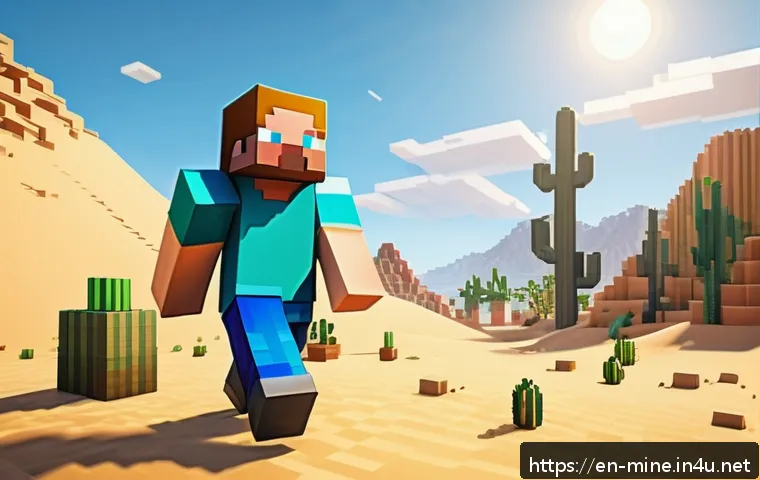
Running a Minecraft survival camp offers an exciting way to blend creativity, strategy, and teamwork in a virtual setting. It’s not just about building blocks; it’s about cultivating problem-solving skills and fostering friendships through shared challenges.
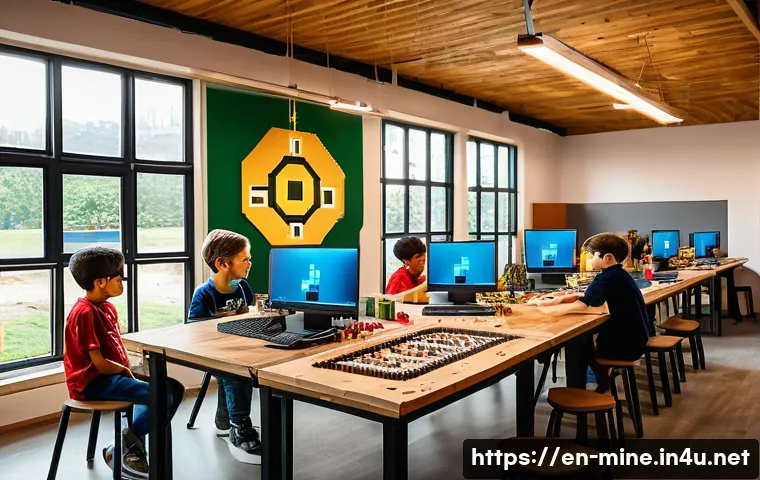
From managing resources to defending against in-game threats, participants dive deep into immersive learning experiences. Many organizers have noticed how these camps spark curiosity and boost confidence, especially among younger players.
If you’re curious about how to set one up effectively or want to explore the benefits it brings, you’re in the right place. Let’s dive in and explore all the essential details together!
Crafting the Perfect Survival Environment
Designing Terrain and Base Camps
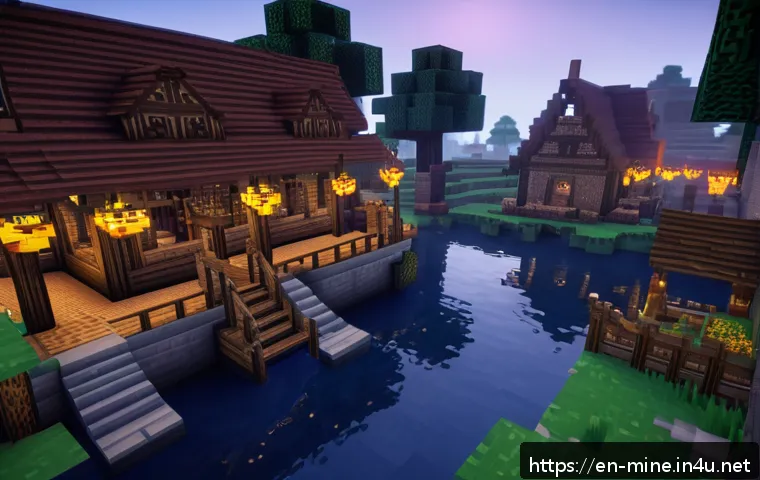
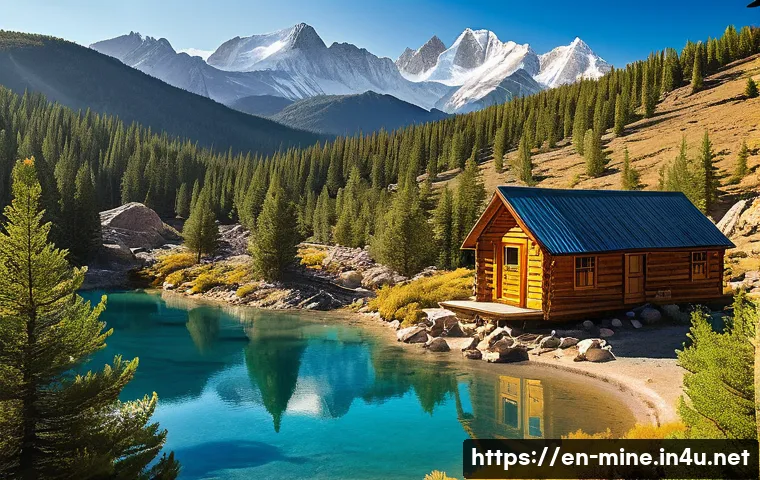
Creating an engaging survival camp starts with selecting and shaping the landscape. Whether you’re working with a naturally generated world or a customized map, the terrain should offer a mix of challenges and opportunities.
I’ve found that having diverse biomes nearby—like forests, deserts, and mountains—keeps players on their toes and encourages exploration. Base camps should be strategically placed near essential resources but also offer some defensive advantages, like higher ground or natural barriers.
Incorporating hidden caves or water sources can make the environment feel alive and give campers unique goals to pursue. Over time, I’ve learned that the right balance between safety and risk is what really fuels players’ excitement.
Resource Distribution and Management
One of the trickiest parts is balancing how resources are spread out. If everything is too easy to find, the challenge disappears. On the flip side, making resources too scarce can frustrate players, especially newcomers.
I usually set up key materials like wood, stone, and food within easy reach but reserve rarer items like diamonds or enchanted gear for more demanding quests or deeper exploration.
This approach naturally guides campers to learn essential survival strategies, like farming, mining, and trading. Watching players figure out how to manage their inventories and plan ahead has been one of the most rewarding parts of running a camp.
Encouraging Environmental Storytelling
Adding little touches that tell a story in the world helps players feel more invested. I once created a partially ruined village with signs of a past disaster, scattered tools, and abandoned farms.
It sparked curiosity and led to collaborative storytelling as campers imagined what might have happened. These subtle details encourage players to pay attention to their surroundings and think creatively about problem-solving.
Plus, it’s a great way to sneak in educational content or introduce new objectives without making it feel forced.
Fostering Teamwork and Social Skills
Creating Roles and Responsibilities
Assigning roles within the camp is a game-changer for group dynamics. From my experience, giving players specific jobs like builder, gatherer, defender, or scout not only organizes efforts but also nurtures accountability.
When everyone has a role that suits their interests or strengths, cooperation becomes natural rather than chore-like. It’s fascinating to see how kids who might be shy in real life suddenly step up as leaders or strategists in this virtual world.
Plus, rotating roles regularly keeps things fresh and allows everyone to develop new skills.
Designing Collaborative Challenges
Challenges that require teamwork—like defending the camp from mobs during a night raid or working together to build a complex structure—create memorable moments and deepen bonds.
I’ve noticed that these shared experiences teach players valuable lessons about communication and trust. Sometimes, campers come up with clever strategies on their own, which is always thrilling to witness.
It’s a reminder that beyond the game mechanics, the social interaction is what makes these camps truly special.
Conflict Resolution and Encouraging Positive Interaction
No group activity is without its conflicts, and survival camps are no exception. I’ve learned that setting clear community guidelines from the start helps prevent misunderstandings.
Encouraging campers to talk things out or use in-game voting systems for decisions fosters a respectful atmosphere. When disagreements do happen, stepping in with mediation or suggesting breaks keeps the environment safe and fun.
These moments often turn into teachable ones about empathy and cooperation, which is priceless beyond Minecraft.
Integrating Educational Elements Seamlessly
Teaching Resource Management and Planning
Minecraft survival naturally introduces concepts like budgeting resources and long-term planning. I often highlight these skills explicitly during camp sessions by posing scenarios that require campers to prioritize tasks—should they build a farm first or craft weapons?
Explaining these choices in real-world terms helps players connect the dots between game mechanics and practical problem-solving. It’s rewarding to see participants apply these skills outside the game, whether in school projects or daily life.
Incorporating STEM and Environmental Lessons
The game’s mechanics offer fantastic hooks for STEM learning. Redstone circuits, for example, are a fun way to introduce basic electronics and logic gates.
I’ve run mini-workshops where campers build simple machines or traps using redstone, which always sparks excitement and curiosity. Environmental lessons can be woven in by discussing sustainable resource use or biodiversity as players interact with different biomes.
These interdisciplinary connections elevate the experience, making the camp both entertaining and intellectually enriching.
Encouraging Creativity and Critical Thinking
Beyond survival, Minecraft is a blank canvas for creativity. I’ve seen campers use their imagination to redesign bases, invent new tools, or create art with blocks.
Providing open-ended challenges, like building a community garden or designing a functional fortress, pushes players to think critically about aesthetics, functionality, and teamwork.
This process not only boosts confidence but also nurtures innovation and adaptability—skills highly valued in any learning environment.
Optimizing Camp Structure for Engagement
Scheduling Balanced Sessions
Keeping campers engaged means balancing intense activity periods with downtime. I’ve experimented with various schedules and found that mixing focused building or survival challenges with more relaxed free-play sessions works best.
This rhythm prevents burnout and allows players to absorb what they’ve learned. Incorporating short breaks for socializing or reflection also helps maintain energy and enthusiasm.
From personal experience, flexibility in scheduling responds better to the group’s mood and needs than rigid timetables.
Utilizing Technology and Communication Tools
Effective communication is the backbone of a successful camp. Using voice chat platforms integrated with Minecraft or external apps like Discord helps maintain real-time coordination and social interaction.
I recommend setting up channels for different purposes—strategy talks, casual chat, and announcements—to keep things organized. Screen sharing or streaming parts of the gameplay can also enhance engagement, especially for remote or hybrid camps.
Ensuring all participants have access to these tools upfront minimizes technical hiccups and fosters a more inclusive environment.
Feedback and Continuous Improvement
Gathering feedback from campers is crucial for refining the experience. After sessions, I usually ask players what they enjoyed, found challenging, or wished was different.
This feedback loop helps me tailor future camps to better suit their interests and skill levels. Sometimes, small tweaks—like adjusting difficulty or adding new challenges—make a huge difference in overall satisfaction.
Plus, involving campers in decision-making boosts their sense of ownership and motivation.
Balancing Safety and Freedom in Gameplay
Setting Clear Rules and Boundaries
Safety is paramount, especially when working with younger players. I’ve learned that establishing clear, straightforward rules about acceptable behavior and gameplay limits from the start sets a positive tone.
These rules cover everything from respectful communication to restrictions on griefing or cheating. Making sure everyone understands and agrees to the guidelines helps prevent conflicts and ensures a welcoming environment for all participants.
Reinforcement through gentle reminders and consistent consequences keeps the community healthy.
Allowing Creative Freedom Within Limits
While rules are necessary, I’ve found that too many restrictions can stifle creativity. Striking a balance means allowing campers freedom to experiment and express themselves while keeping core safety and fairness principles intact.
For example, I encourage building unique structures or role-playing but discourage disruptive actions that affect others negatively. This approach fosters a sense of trust and respect, making players more invested in the camp’s success.
Monitoring and Support Systems
Active monitoring during camp sessions is essential. I or other facilitators keep an eye on chats and gameplay to quickly address any issues. Setting up a system where campers can privately report problems or ask for help creates a safety net.
Having moderators or assistants also spreads the workload and ensures quicker responses. From my experience, this proactive approach not only prevents problems but also reassures parents and guardians about the camp’s professionalism.
Measuring Success and Impact
Tracking Player Progress and Skill Development
Keeping track of how campers improve over time is both motivating and informative. I use simple metrics like completed challenges, resource management efficiency, and teamwork participation to gauge growth.
Observing shifts in how players approach problems or collaborate reveals valuable insights into their learning journey. Sharing these observations with campers boosts their confidence and encourages continued effort.
Gathering Qualitative Feedback
Numbers tell part of the story, but hearing personal reflections adds depth. I regularly collect testimonials or informal interviews where campers express what the camp meant to them.
These stories often highlight unexpected benefits, like increased patience or newfound friendships. Reading or hearing these responses reminds me why running these camps is so worthwhile.
Adjusting Future Camps Based on Insights
Using all collected data and feedback, I continuously refine camp design. Whether it’s introducing new game modes, adjusting difficulty, or enhancing social activities, these improvements keep the experience fresh and relevant.
This cycle of evaluation and adaptation ensures that each camp is better than the last, creating a positive reputation and encouraging repeat participation.
| Aspect | Key Focus | Benefits |
|---|---|---|
| Terrain & Base Design | Varied biomes, strategic locations | Engagement, exploration, defense advantage |
| Resource Management | Balanced scarcity, prioritization | Problem-solving, planning skills |
| Team Roles | Defined responsibilities, role rotation | Cooperation, accountability |
| Educational Content | STEM integration, critical thinking | Intellectual growth, creativity |
| Camp Schedule | Activity balance, breaks | Focus, reduced burnout |
| Safety Rules | Clear guidelines, monitoring | Respectful environment, inclusivity |
| Feedback Loop | Surveys, observations | Continuous improvement, motivation |
Closing Thoughts
Building a well-rounded survival camp combines creativity, strategy, and social interaction to create a truly immersive experience. From designing terrain to fostering teamwork and integrating learning opportunities, every element plays a vital role. With thoughtful planning and continuous improvement, these camps not only entertain but also empower players with valuable life skills. I’ve seen firsthand how a balanced approach keeps everyone engaged and eager to return for more adventures.
Useful Tips to Remember
1. Always design diverse environments that encourage exploration while providing strategic advantages for base placement.
2. Balance resource availability carefully to maintain challenge without causing frustration.
3. Assign clear roles within groups to promote responsibility and smooth collaboration.
4. Integrate educational elements subtly to enhance learning without disrupting gameplay flow.
5. Maintain open communication channels and gather feedback regularly to adapt and improve the camp experience.
Key Takeaways
Successful survival camps hinge on blending safety with freedom, ensuring clear rules while encouraging creativity. Structured teamwork and well-planned challenges build social skills and cooperation. Thoughtful scheduling and technology use enhance engagement and accessibility. Finally, continuous feedback and monitoring create a supportive environment that fosters growth, enjoyment, and lasting impact for all participants.
Frequently Asked Questions (FAQ) 📖
Q: What age group is most suitable for a Minecraft survival camp?
A: Minecraft survival camps are generally ideal for kids and teens aged 8 to 16, but the great thing is they can be tailored for different skill levels and ages.
Younger players often enjoy the creative building and teamwork aspects, while older participants can engage more deeply with strategy, resource management, and complex challenges.
I’ve seen camps successfully adapt their content to make sure everyone feels included and challenged without being overwhelmed.
Q: How can I ensure safety and positive interaction during the camp?
A: Creating a safe and welcoming environment is key. Setting clear rules about respectful communication and teamwork from day one helps a lot. It’s also important to moderate chat and gameplay actively to prevent bullying or negative behavior.
Many organizers use dedicated servers with whitelists and parental controls, plus they encourage group activities that build trust and collaboration. From my experience, when campers feel supported and respected, the whole experience becomes more fun and meaningful.
Q: What are some effective ways to keep participants engaged throughout the camp?
A: Keeping engagement high is all about variety and meaningful goals. Mixing up activities—like survival challenges, building contests, and cooperative quests—helps maintain excitement.
Setting achievable milestones and rewarding progress with in-game perks or recognition also motivates players. Personally, I’ve found that involving campers in decision-making, like choosing the next project or challenge, makes them feel invested.
Plus, regular breaks and social time help maintain energy and enthusiasm during longer camps.