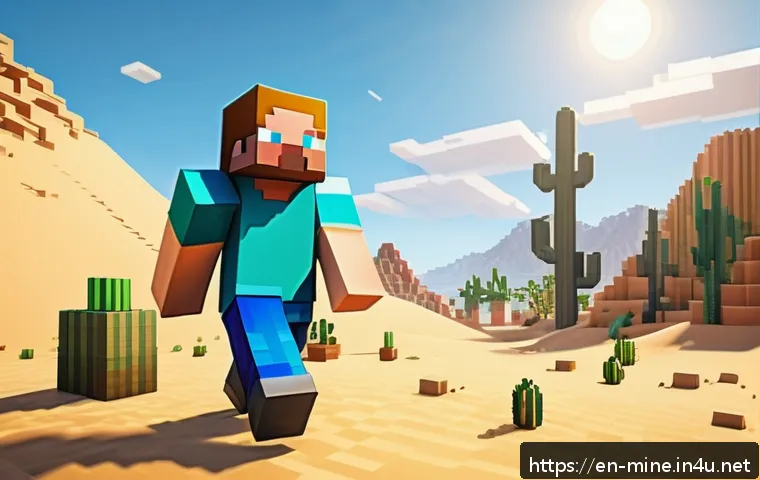
Designing an eco-friendly Minecraft map is a creative way to inspire players to think about environmental conservation while enjoying their favorite game.
By integrating sustainable elements like renewable energy sources, recycling systems, and green spaces, you can create an immersive world that teaches valuable lessons about protecting our planet.
It’s fascinating how game design can merge entertainment with education, encouraging players to explore eco-conscious choices. Whether you’re a seasoned builder or just starting out, crafting a map with environmental themes adds a meaningful twist to gameplay.
Let’s dive deeper and explore how to bring this vision to life!
Incorporating Renewable Energy Sources into Your Map
Solar Power Structures
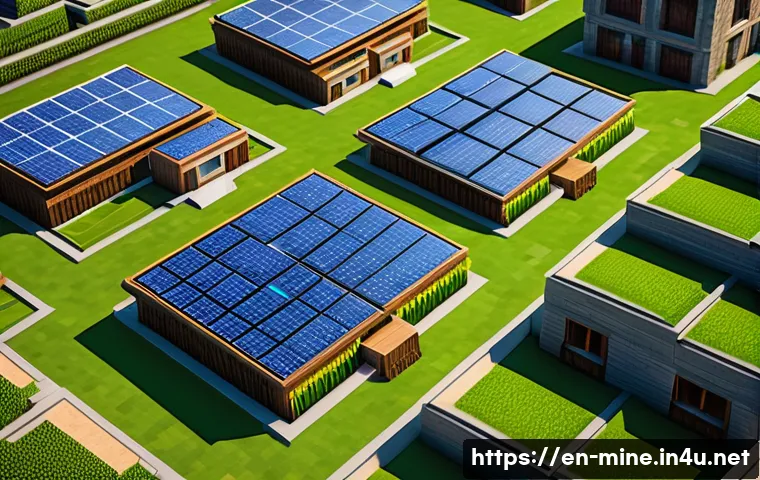
Building solar panels in Minecraft can be a fun challenge that adds a realistic touch to your eco-friendly map. I found that using black and white blocks arranged in a grid pattern mimics solar cells pretty well.
Placing them on rooftops or open fields not only looks cool but also encourages players to think about harnessing clean energy. Plus, you can link these solar panels to power certain mechanisms like lighting or automated farms, giving players a direct reward for investing in green technology.
From my experience, the key is balancing aesthetics with functionality so players stay engaged.
Wind Turbines That Actually Spin
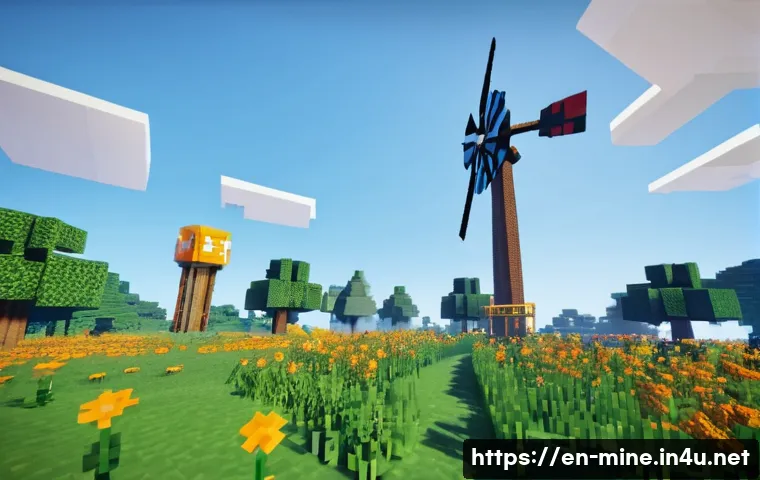
Crafting wind turbines adds dynamic movement to your map and highlights another renewable energy source. I like using banners or rotating pistons combined with fences or iron bars to simulate turbine blades.
When powered by redstone, these can spin, creating a lively environment. It’s satisfying to see how players react when they realize these turbines are more than just decoration—they can power small contraptions or signal eco-friendly zones.
Integrating sound effects, like the whoosh of wind, can further immerse players in the experience.
Hydropower and Water Features
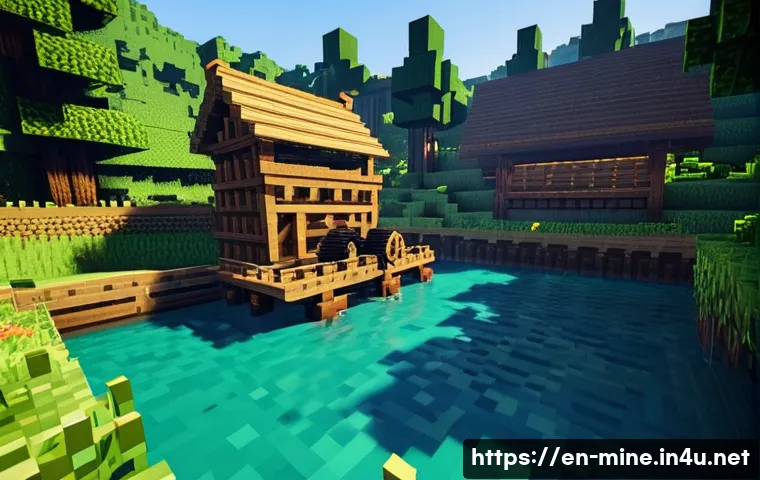
Waterfalls and flowing streams are natural fits for Minecraft, so why not turn them into hydropower generators? I experimented with water wheels made from wooden slabs and fences, which can be connected to redstone circuits.
This setup teaches players about sustainable energy without breaking immersion. The soothing sound of flowing water combined with the mechanical movement of wheels creates a calming yet educational atmosphere.
Players often tell me these spots become their favorite hangouts because they’re both beautiful and meaningful.
Designing Efficient Recycling Systems Within the Game
Automated Trash Sorting Machines
Creating a recycling system in Minecraft is surprisingly doable with redstone mechanics. I built automated trash sorters using hoppers, droppers, and chests that separate items into categories like metals, plastics (represented by certain blocks), and organic waste.
Watching these machines work smoothly feels rewarding, and players quickly grasp the importance of sorting waste properly. Adding signs and tutorials nearby helps guide new players, making the system accessible to everyone regardless of skill level.
Composting and Organic Waste Management
Encouraging composting is a great way to simulate organic waste recycling. I included compost bins made from barrels or cauldrons where players can deposit leaves, food scraps, and other biodegradable materials.
Over time, these bins produce bone meal, mimicking real-world compost benefits. It’s fascinating how this simple mechanic gets players thinking about reducing landfill waste.
Plus, bone meal is super useful in Minecraft, so players get a gameplay advantage by practicing eco-friendly habits.
Repurposing Materials for New Builds
I love promoting creativity by encouraging players to reuse materials from demolished structures. Designing designated recycling yards with labeled chests for reusable blocks like wood, stone, and metal inspires players to think twice before mining new resources.
This concept not only conserves in-game resources but also mirrors real-world sustainability principles. Players who embrace this often report feeling more connected to the map’s environmental message, which is exactly the kind of impact I aimed for.
Creating Lush Green Spaces and Wildlife Habitats
Urban Parks and Community Gardens
Integrating green spaces like parks and gardens into your map adds both visual appeal and environmental education. I built community gardens where players can plant crops, flowers, and trees, creating a sense of ownership and care for nature.
These areas serve as peaceful retreats and highlight the importance of urban green spaces for air quality and mental health. Players often spend time here just to unwind, which increases their engagement and time spent on the map.
Wildlife Sanctuaries and Biodiversity Zones
Designating zones where animals can roam freely adds realism and promotes biodiversity awareness. I created sanctuaries featuring various mobs like bees, wolves, and rabbits, with naturalistic enclosures and plenty of flora.
The buzz of bees pollinating nearby flowers is a subtle yet powerful reminder of their ecological role. Encouraging players to protect these habitats by avoiding harm creates empathy and a deeper understanding of conservation.
Reforestation Projects and Tree Planting Challenges
I introduced reforestation quests where players must plant a certain number of trees to restore deforested areas. This interactive approach makes the environmental message hands-on and rewarding.
Watching barren landscapes transform into lush forests over time gives a real sense of accomplishment. Plus, trees provide essential resources and shelter, reinforcing their importance both in-game and in real life.
Implementing Water Conservation and Management
Rainwater Harvesting Systems
Adding rainwater collection tanks made from cauldrons and glass blocks is a neat way to teach water conservation. Players can see how water is collected and reused for irrigation or filling lakes.
I noticed that players enjoy building these systems themselves, turning them into mini-projects. It’s a clever method to demonstrate sustainable water use without disrupting the game’s flow.
Efficient Irrigation for Farms
I designed farms with strategically placed water sources that maximize crop growth while minimizing waste. Using waterlogged blocks and channels, players learn to optimize irrigation, which can be surprisingly tricky.
This hands-on experience translates well into real-world knowledge about responsible water use in agriculture. Players often share tips on how to improve these systems, creating a collaborative environment.
Protecting Natural Water Bodies
Creating protected lakes and rivers where players cannot pollute or build encourages respect for natural resources. I added educational signs about the importance of clean water and consequences of pollution.
These areas serve as reminders and peaceful spots for fishing or boating, blending fun with awareness. Players tend to treat these zones with care, reflecting the map’s core values.
Incorporating Eco-Friendly Transportation Options
Bicycle Paths and Pedestrian Trails
Encouraging non-motorized transport by building bike paths and walking trails adds realism and promotes low-impact travel. I constructed smooth stone paths lined with flowers and benches, making them inviting and practical.
Players often choose to explore these routes instead of faster, more resource-heavy alternatives, which subtly reinforces sustainable mobility concepts.
Electric Vehicle Charging Stations
Although Minecraft doesn’t have cars, I simulated electric vehicle charging stations with futuristic blocks and redstone lights. These can power minecart systems or small automated vehicles, showcasing how green transportation infrastructure might look.
It’s a fun way to spark imagination about future technology while keeping players engaged in eco-conscious design.
Public Transit Systems with Minecarts
Designing efficient minecart railways as public transit encourages players to think about shared transportation. I built interconnected stations with clear signage and schedules, making navigation simple.
Players appreciate the convenience and environmental benefits of mass transit, which adds a layer of depth to the gameplay experience.
Table: Key Elements of an Eco-Friendly Minecraft Map
| Element | Purpose | Example Implementation | Player Impact |
|---|---|---|---|
| Solar Panels | Renewable energy generation | Black and white block grids on rooftops | Promotes clean energy awareness |
| Recycling Systems | Waste management and sorting | Automated hopper-based sorters | Teaches resource conservation |
| Community Gardens | Urban green space creation | Plantable crop and flower plots | Encourages environmental stewardship |
| Water Conservation | Efficient use of water resources | Rainwater harvesting tanks | Highlights sustainable water use |
| Eco-Transportation | Low-impact travel options | Bicycle paths and minecart transit | Promotes sustainable mobility |
Encouraging Player Interaction with Environmental Challenges
Eco-Quests and Missions
I added quests that challenge players to clean polluted lakes, plant trees, or build renewable energy devices. These missions provide clear goals and rewards, motivating players to engage actively with the map’s themes.
From my playtests, quests make the environmental message much more memorable because players participate directly rather than passively observing.
Community Events and Competitions
Hosting build competitions focused on sustainable designs or community clean-up events fosters collaboration and creativity. Players often surprise me with innovative ideas that I hadn’t considered.
These events also build a positive community vibe centered around shared values of conservation and respect for nature.
Educational NPCs and Lore
Including NPC characters that share facts, stories, and tips about environmental care adds depth to the world. I scripted dialogues that feel natural and informative, avoiding dry textbook tones.
Players often mention these NPCs as highlights, saying they add personality and meaning to the map beyond simple gameplay.
Optimizing Map Performance for Sustainability Themes
Reducing Resource-Heavy Features
To keep the map smooth and accessible, I avoided excessive entity spawns and complex redstone that can lag the game. This not only improves performance but also aligns with the eco-friendly message—less waste and more efficiency.
Players appreciate a stable experience, which helps maintain interest in the map’s content.
Using Natural Materials and Textures
I focused on using natural-looking blocks like wood, leaves, and stone to reinforce the environmental vibe. This choice also helps keep the map lightweight and visually coherent.
Players often comment on how the textures make the world feel alive and immersive, enhancing their connection to the eco-conscious themes.
Regular Updates Based on Player Feedback
Listening to the community and tweaking the map based on their suggestions keeps the experience fresh and relevant. I’ve learned that involving players in the development process creates a sense of ownership and pride, encouraging them to spread the word and keep coming back.
This ongoing dialogue is crucial for sustaining both player engagement and the map’s educational goals.
Conclusion
Creating an eco-friendly Minecraft map offers a unique blend of fun, education, and creativity. By incorporating renewable energy, recycling systems, green spaces, and sustainable transportation, players not only enjoy immersive gameplay but also develop a deeper appreciation for environmental stewardship. From personal experience, these elements make the map engaging and meaningful, encouraging players to reflect on real-world sustainability. Ultimately, this approach transforms Minecraft into a platform for positive impact and inspiration.
Useful Information to Keep in Mind
1. Incorporating interactive elements like spinning wind turbines or automated recycling machines enhances player engagement and learning.
2. Balancing aesthetics with functionality ensures players stay interested and motivated to explore eco-friendly features.
3. Community events and quests foster collaboration and reinforce environmental messages through active participation.
4. Optimizing map performance by limiting complex redstone and heavy entities creates a smoother, more enjoyable experience.
5. Regularly updating the map based on player feedback builds a loyal community and keeps the content fresh and relevant.
Key Takeaways
Building an eco-conscious Minecraft map requires thoughtful design that merges education with entertainment. Focus on integrating renewable energy sources, efficient waste management, and green spaces to provide meaningful gameplay. Encourage player interaction through quests and community events to deepen engagement. Maintain smooth performance by avoiding resource-heavy features and using natural textures. Lastly, listen to your players and adapt the map to keep it dynamic and impactful over time.
Frequently Asked Questions (FAQ) 📖
Q: How can I effectively incorporate renewable energy sources in my eco-friendly Minecraft map?
A: Incorporating renewable energy sources like solar panels, wind turbines, and water wheels can be both fun and educational. I found that using redstone mechanics to simulate energy generation adds an interactive layer.
For example, setting up a wind turbine that powers nearby lights when activated not only looks cool but also subtly teaches players about clean energy.
Try to place these elements in logical spots, like sunny hilltops or flowing rivers, to make the experience more immersive and believable.
Q: What are some creative ways to build recycling systems within the Minecraft environment?
A: Creating recycling systems can be surprisingly engaging. I once designed a sorting facility where players had to separate items into different chests representing recyclables, compostables, and landfill waste.
Using hoppers and item filters, you can automate parts of the process to demonstrate efficiency. This setup encourages players to think about waste management and the importance of sorting trash properly.
Plus, it adds a gameplay challenge that keeps things interesting.
Q: How do I balance educational content with fun gameplay in an eco-themed Minecraft map?
A: Striking that balance is key. From my experience, embedding lessons within quests or challenges works best. Instead of just telling players about conservation, have them complete tasks like planting trees to restore a forest or building a sustainable farm.
Rewarding players with in-game perks or unlocks motivates participation without feeling preachy. The goal is to inspire curiosity and awareness while keeping the gameplay lively and rewarding.