Building surreal structures in Minecraft opens up a whole new dimension of creativity that goes beyond traditional block designs. It’s about bending reality with imaginative shapes, unexpected materials, and clever lighting that transform your world into a dreamlike landscape.
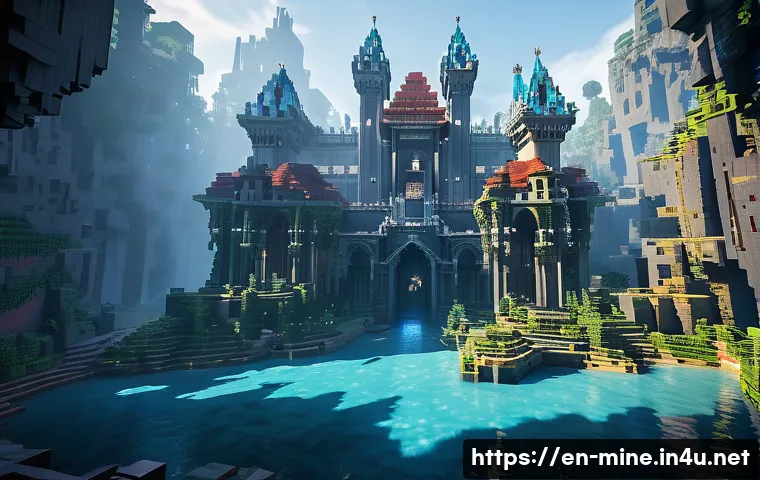
Whether you’re aiming for floating islands, twisting towers, or otherworldly castles, mastering these techniques can elevate your builds from simple to stunning.
Over time, experimenting with perspective and scale has helped me unlock unique architectural styles that truly captivate viewers. If you’re ready to push the boundaries of Minecraft building and create jaw-dropping masterpieces, this guide will show you how.
Let’s dive in and explore these mind-blowing surreal construction tips together!
Transforming Shapes with Unexpected Geometry
Bending Blocks Beyond the Cube
One of the most thrilling aspects of surreal Minecraft builds is breaking free from the rigid cube mentality. Instead of stacking blocks in traditional rectangular forms, I like to experiment with curves and angled shapes that challenge the eye.
Using stairs, slabs, and fences creatively lets you simulate smooth, flowing lines or jagged edges that feel more organic or alien. For example, twisting towers that spiral upward or arching bridges that seem to defy gravity instantly grab attention.
The key is to think about how each block interacts with its neighbor to form a shape that feels alive rather than static.
Playing with Scale and Perspective
Shifting the scale of your builds can warp reality in fascinating ways. I’ve found that mixing giant oversized elements with tiny intricate details creates a surreal contrast that makes the whole structure pop.
Imagine a castle with enormous floating crystals looming overhead while delicate vines crawl the walls below. Also, tweaking the player’s viewpoint by building at different heights or angles influences how the structure feels.
For instance, placing a narrow spire that looks thin from afar but is actually wide and detailed up close adds an unexpected dimension to exploration.
Incorporating Non-Standard Blocks
Surrealism thrives on the unexpected, so don’t hesitate to mix blocks that aren’t normally combined. Glass panes tinted with colors, glowing blocks like shroomlights or sea lanterns, and even vegetation can add texture and mystique.
I often use warped and crimson blocks from the Nether to introduce otherworldly tones. The contrast between these materials and more traditional stone or wood blocks creates a dreamlike palette that makes viewers pause and look closer.
Layering these blocks strategically can imply translucency or movement, enhancing the surreal vibe.
Mastering Lighting to Evoke Mood and Depth
Strategic Placement of Light Sources
Lighting can make or break the surreal atmosphere of your build. Instead of evenly spaced torches or lanterns, I prefer to scatter light sources in unusual spots that create dramatic shadows and highlights.
For example, placing glowstone hidden behind leaves or inside floating crystal clusters adds an ethereal glow. Using light sparingly in dark corners or narrow passageways can also build suspense and mystery, making exploration feel like stepping into a dream.
Colorful and Dynamic Lighting Effects
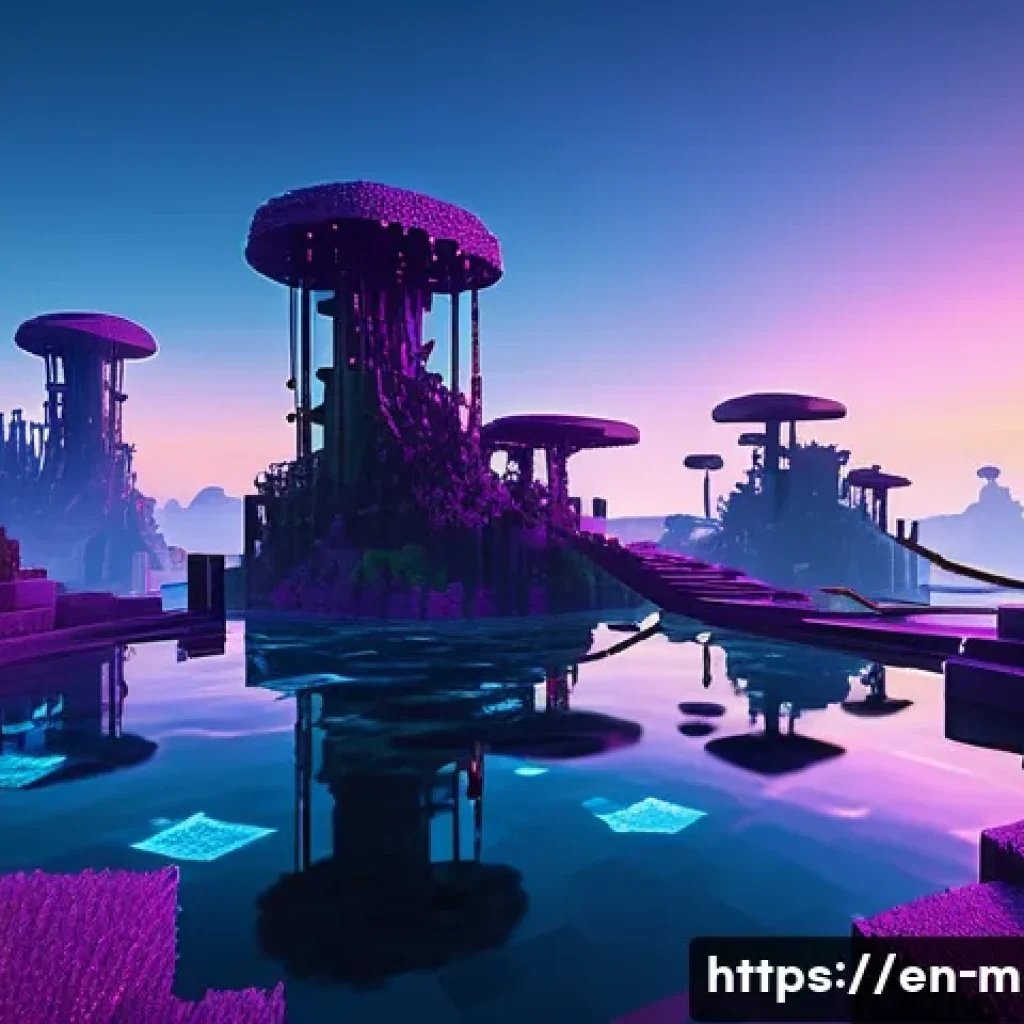
Colored lighting is a game-changer for surreal builds. Using tinted glass blocks or colored shroomlights can cast subtle hues across surfaces, transforming a plain stone wall into a canvas of shifting tones.
I like experimenting with red, blue, and purple lights to invoke a magical or alien environment. Additionally, redstone lamps combined with daylight sensors or switches allow for dynamic lighting that changes with time, giving your structure a living, breathing quality.
Using Shadows to Enhance Architectural Features
Shadows are as important as light in surreal design. By creating overhangs, arches, or floating elements, you can cast intriguing shadows that add depth and complexity.
I often build thin walls or open latticework that lets light filter through, producing patterns that shift as the sun moves. This interplay between light and dark draws the eye and makes the build feel more three-dimensional and alive.
Innovative Use of Floating and Suspended Elements
Designing Gravity-Defying Islands and Platforms
Floating islands are a classic surreal element but can feel cliché if done without creativity. I’ve learned to vary their size and shape, adding cascading waterfalls or vines that connect them to the ground or other islands, giving the illusion of suspended ecosystems.
Incorporating irregular, jagged edges and mixing natural blocks like mossy stone with artificial blocks enhances the fantasy feel. When combined with dynamic lighting, these islands can feel like magical realms suspended in the sky.
Suspended Structures with Invisible Supports
To create a sense of mystery, I sometimes use glass or barrier blocks as nearly invisible supports, making towers or bridges appear to float effortlessly.
This technique tricks the eye and heightens the surreal experience. The challenge is balancing these invisible elements so they don’t break immersion but still provide structural coherence.
Adding hanging lanterns or chains can also suggest weight and tension, enhancing the sense of suspension.
Bridging Floating Elements with Organic Connectors
Rather than simple stone bridges, I like to craft connectors that feel alive—like twisting roots, vines, or crystalline beams that pulse with light. These naturalistic bridges create a narrative, as if the floating parts of the world are connected by some magical force.
Using a mix of wood, leaves, and glowing blocks brings these connectors to life, making them as captivating as the islands they join.
Texturing Surreal Builds with Layered Details
Combining Block Variations for Rich Surfaces
Flat walls rarely convey the complexity surreal builds need. I often layer blocks with subtle variations—like mixing cracked stone bricks, mossy cobblestone, and smooth quartz—to add depth and texture.
This layering creates surfaces that feel weathered, ancient, or otherworldly depending on the materials. The trick is balancing detail without clutter; a few well-placed blocks can hint at history or magic embedded in the walls.
Adding Organic Accents and Growth
Incorporating plant life—such as vines, flowers, and even mushrooms—softens hard edges and introduces life into surreal constructions. I’ve noticed that carefully placed greenery makes buildings feel inhabited or enchanted.
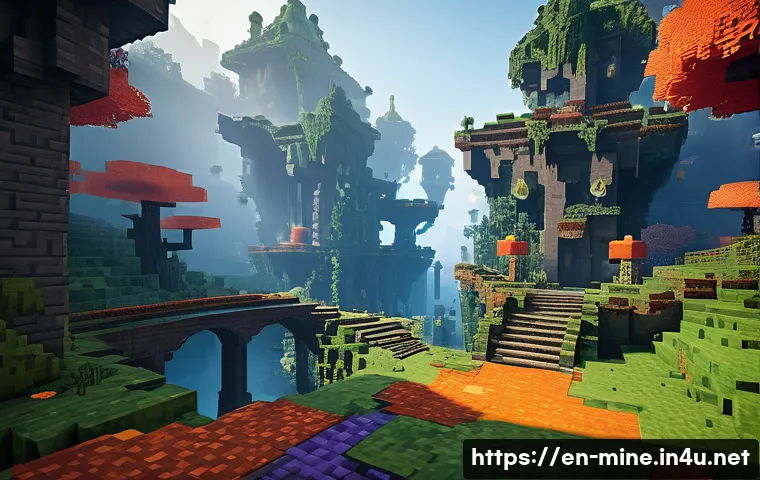
For example, glowing mushrooms on dark stone can simulate bioluminescence, while hanging vines suggest age and mystery. These accents add narrative layers that invite viewers to imagine the story behind the build.
Utilizing Small Decorative Blocks for Intricate Flair
Small blocks like buttons, trapdoors, and flower pots are surprisingly powerful for detailing. I use them to create patterns, mimic mechanical parts, or simulate windows and balconies.
These tiny elements add personality and complexity, making the build feel more crafted and intentional. Using these details sparingly in key spots draws focus and rewards closer inspection.
Exploring Color Palettes That Defy Reality
Choosing Unconventional Color Combinations
Surreal builds thrive on colors that clash or blend in unexpected ways. I’ve experimented with pairing pastel blues with fiery reds or deep purples with bright oranges to create tension and harmony simultaneously.
The key is to avoid overly saturated or dull combinations—aim for vibrant contrasts or subtle gradients that evoke dreamlike moods. Color choice can also guide the viewer’s emotion, from eerie calm to chaotic energy.
Using Gradients and Transitions
Gradual color transitions across surfaces can simulate movement or energy flow. I often build walls or towers that shift from one color block to another, like fading from icy blue at the base to molten red at the top.
This technique adds a dynamic quality that feels alive and surreal. It also breaks monotony and encourages viewers to explore the entire structure.
Balancing Bright and Muted Tones
While bright colors grab attention, muted tones add sophistication and mystery. Combining these helps maintain visual interest without overwhelming the senses.
For example, a muted stone foundation contrasted with glowing neon accents creates a grounded yet magical feel. This balance is essential for surrealism that feels believable within Minecraft’s blocky world.
Leveraging Water and Particle Effects for Atmosphere
Creating Floating Mist and Fog
Water and particles can simulate atmospheric effects that deepen surrealism. Using waterfalls, fountains, or pools that flow from impossible angles adds fluidity.
Adding fog or smoke particles through commands or mods creates a mystical haze that softens the environment. I’ve found that subtle mist around floating islands or towers gives an ethereal vibe like you’re in a dream.
Incorporating Particle Effects for Magic and Movement
Particles such as sparks, flames, or bubbles bring static builds to life. I like placing particle emitters near magical crystals or enchanted objects to imply power or energy.
These effects catch the eye and add layers of interaction. Timing and placement are crucial—too many particles can feel chaotic, but well-timed bursts create memorable moments.
Using Water Reflections to Enhance Depth
Water surfaces reflect surroundings, adding realism and depth. Positioning reflective pools or rivers near surreal structures doubles the visual impact.
Reflections also emphasize the unusual shapes and colors, making the environment feel more immersive. I often design mirrored water bodies beneath floating islands to amplify the floating illusion.
Summary of Surreal Building Elements and Their Effects
| Building Element | Purpose | Key Techniques | Impact on Viewer |
|---|---|---|---|
| Unusual Geometry | Breaks blocky norms | Curves with stairs/slabs, twisted shapes | Creates organic, alien forms |
| Dynamic Lighting | Sets mood and depth | Colored lights, shadows, hidden sources | Enhances mystery and drama |
| Floating Structures | Defies gravity | Invisible supports, organic bridges | Evokes magic and wonder |
| Texturing Details | Adds complexity | Block layering, small accents | Increases realism and intrigue |
| Color Palette | Shapes emotional tone | Unconventional combos, gradients | Draws attention and sets mood |
| Water & Particles | Creates atmosphere | Fog, reflections, particle effects | Immerses viewer in surreal world |
Closing Thoughts
Surreal Minecraft builds open a world of limitless creativity where traditional rules are meant to be bent and reimagined. By embracing unexpected shapes, dynamic lighting, and imaginative details, you can craft environments that feel truly alive and captivating. The joy lies in experimenting and letting your vision push beyond the ordinary. Every block placed is a step deeper into a dreamlike landscape that invites exploration and wonder.
Useful Tips to Remember
1. Experiment with combining different block types like stairs, slabs, and fences to create flowing or jagged shapes that break the cube mold.
2. Use lighting creatively—hide light sources, play with colors, and balance shadows to evoke mood and add depth.
3. Incorporate floating elements with invisible supports and organic connectors to make your builds feel magical and weightless.
4. Layer textures by mixing block variations and small decorative details to add richness and storytelling to your surfaces.
5. Utilize water and particle effects strategically to create atmosphere and enhance the surreal experience of your builds.
Key Takeaways for Surreal Minecraft Builds
To truly master surrealism in Minecraft, focus on blending creativity with purposeful design. Push geometry beyond cubes, harness lighting to shape mood, and use textures and colors to tell a story. Floating structures and atmospheric effects add layers of mystery and magic that captivate viewers. Remember, the best builds balance complexity with cohesion, inviting players to explore and imagine worlds beyond reality.
Frequently Asked Questions (FAQ) 📖
Q: How can I create surreal structures that feel truly unique and not just random shapes?
A: The key to making surreal builds stand out is balancing creativity with some underlying logic. Start by experimenting with unusual shapes like twisting towers or floating islands, but think about how they connect and flow together.
Use perspective tricks—like varying the scale of blocks or layering transparent materials—to add depth and mystery. Incorporate unexpected materials or lighting effects to make the build feel alive and otherworldly.
From my experience, sketching ideas or building small prototypes helps a lot before committing to a full-scale project. This way, your surreal creation has purpose and harmony, rather than looking like a chaotic pile of blocks.
Q: What are some effective lighting techniques to enhance surreal Minecraft builds?
A: Lighting can totally transform the mood of a surreal structure. I’ve found that mixing light sources—like glowstone, sea lanterns, and shroomlights—with strategic placement really brings out the dreamlike vibe.
Try hiding light sources behind blocks or using colored glass to tint the light subtly. Experiment with contrast by keeping some areas dark and others brightly lit to guide the player’s eye and create a sense of mystery.
Redstone lamps controlled by hidden switches can add dynamic lighting effects, making your build feel alive and interactive. Lighting isn’t just functional; it’s a storytelling tool that can elevate your surreal world in ways you might not expect.
Q: How do I maintain performance while building complex surreal structures in Minecraft?
A: Complex builds often come with a performance cost, especially if you’re working on a large scale or using lots of detail. From what I’ve learned, optimizing your design early helps a ton.
Use lightweight blocks for large areas and avoid excessive use of entities or redstone contraptions that can cause lag. Breaking down your project into smaller sections and testing performance as you go can prevent headaches later.
Also, consider using Minecraft’s built-in render distance and graphics settings to balance visuals and smooth gameplay. If you’re on a multiplayer server, coordinate with admins to ensure your build won’t impact others.
Keeping performance in mind doesn’t limit creativity—it just makes sure everyone enjoys your surreal masterpiece without frustrating lag.