Hey fellow adventurers! Ever found yourself staring at a blocky world in Minecraft, feeling a tiny bit overwhelmed and wondering where on earth to even begin?
Trust me, we’ve all been there! That first night can feel pretty daunting, with creepers lurking and zombies groaning, but don’t let that endless landscape intimidate you.
This game is an incredible sandbox where your imagination is truly the only limit, and I’ve spent countless hours discovering all its secrets. From surviving your first night to building epic castles and exploring exciting new features, there’s a whole universe waiting for you to unleash your creativity and embark on unforgettable quests.
Ready to turn those beginner jitters into pure building and adventuring bliss? Let’s dive into exactly how you can conquer the Overworld and become a true Minecraft master!
Setting Foot in a New World: Your First Moments

Stepping into a fresh Minecraft world is like opening a brand-new book – full of possibilities, but also a little blank at the start! I remember my very first spawn point; it was in a dense forest, and I panicked a bit because I had no idea what to do. The key is to act fast! Your absolute top priority is gathering wood. Just walk up to a tree, hold down your left mouse button, and start punching. Yes, you heard me, punching trees is a fundamental skill here, and it’s the first step to literally everything else you’ll do. Aim for at least 10-15 blocks of wood to get started. You’ll need it for basic tools and your first humble shelter. Don’t worry about being fancy right now; survival is the name of the game for your first day. As you chop, keep an eye out for any saplings that drop from the leaves and pick them up; replanting them ensures you’ll have a renewable wood supply later on. Also, if you spot any apples, grab those too—they’re quick and easy food. Once you have some logs, open your inventory (usually by pressing ‘E’), drag the logs into a crafting slot to turn them into planks, and then use four planks to craft a crafting table. Place this handy block on the ground, and congratulations, you’ve unlocked the door to a whole new world of crafting possibilities!
Your Essential First Tools
With your crafting table down, it’s time to get some basic tools. Trust me, punching everything forever isn’t the most efficient strategy! From your planks, make some sticks. You’ll need these for tool handles. Your first tool should absolutely be a wooden pickaxe. Why a pickaxe? Because it lets you mine stone, and stone tools are a massive upgrade in terms of speed and durability over wooden ones. After your pickaxe, I usually go for a wooden axe to chop trees even faster, and then a wooden sword for defense. Don’t waste too much wood on making every single wooden tool; just enough to get you to stone is perfect. The goal here is efficiency and speed because time is ticking until nightfall, and you don’t want to be caught unprepared.
Building Your First Night’s Haven
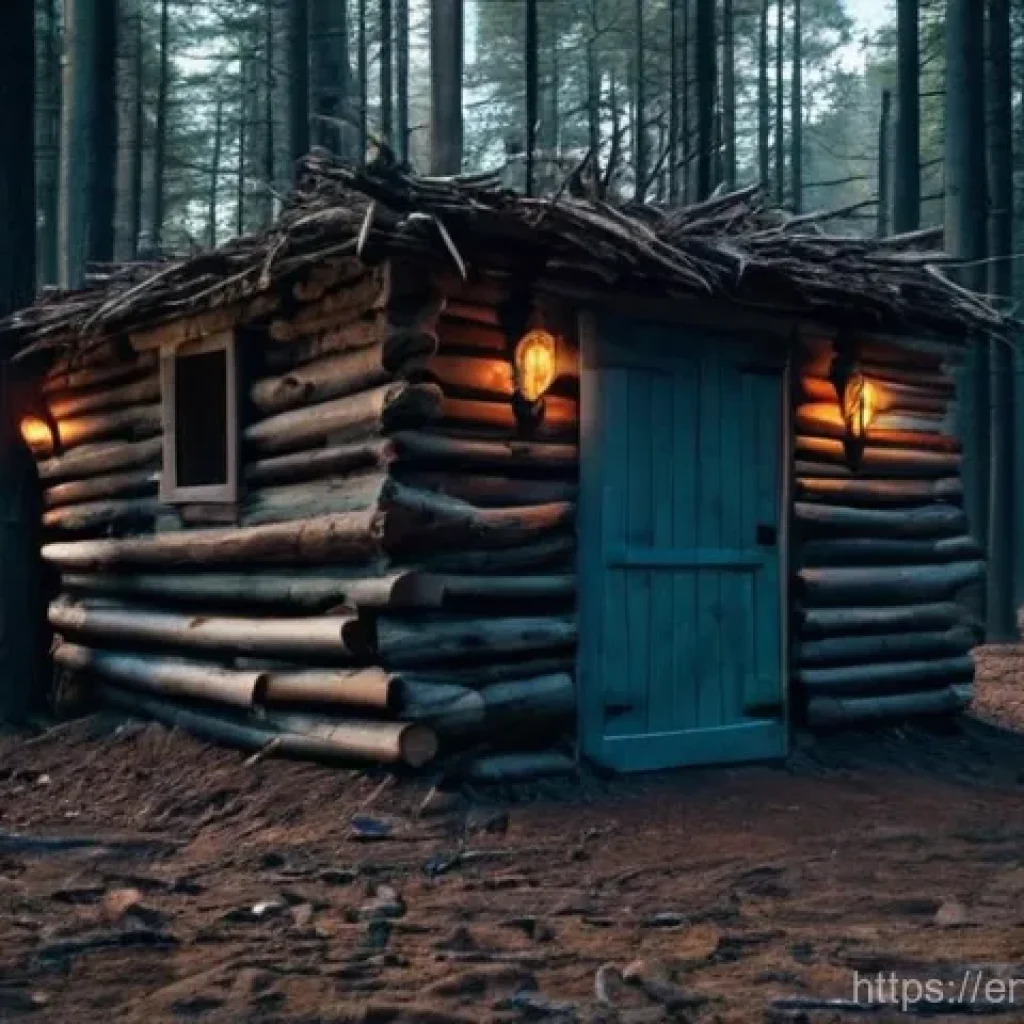
Okay, so you’ve got some basic tools, now what? As the sun begins its descent, those peaceful forests and open plains suddenly feel a lot less friendly. Hostile mobs like zombies and skeletons will start spawning, and you do *not* want to be out in the open. My go-to strategy for the first night is usually a small, secure hole in a hillside or a quick dirt hut. Just dig a 2×1 hole into a mountain or flat ground, place a door, and seal yourself in. It doesn’t have to be pretty; it just needs to keep the nasties out. Inside your tiny burrow, you can place your crafting table, maybe even a furnace if you’ve gathered enough cobblestone, and start planning your next moves. Lighting up your space with torches (made from coal or charcoal and sticks) is crucial, as light prevents mobs from spawning inside your shelter. I’ve had many close calls in my early Minecraft days, and a secure, well-lit hidey-hole made all the difference between surviving the night and respawning back at my spawn point!
Equipping Yourself for Adventure: Crafting Beyond the Basics
Once you’ve got that first night under your belt, the world really opens up. Now, it’s time to refine your toolkit and get serious about exploring. I always feel a surge of satisfaction when I upgrade from clunky wooden tools to sleek stone, and then to robust iron! Stone tools are your immediate next step after wooden ones, offering better durability and faster mining. You’ll need a stone pickaxe to mine iron ore, which is the gateway to even better gear. Speaking of iron, finding that first vein of raw iron ore feels like striking gold! Smelt it in a furnace to get iron ingots, and then you can craft much more efficient tools, sturdy armor, and even a shield. Trust me, a shield is a game-changer for combat, blocking incoming attacks from skeletons and creepers alike. This upgrade path from wood to stone to iron is a foundational part of early-game progression, empowering you to delve deeper and face tougher challenges with confidence. Don’t forget to keep an eye on your tools’ durability! There’s nothing worse than your pickaxe breaking when you’re deep underground.
Crafting Recipes You Can’t Live Without
Beyond the basic tools, there are a few essential crafting recipes that will make your life in Minecraft significantly easier. A furnace, crafted from eight cobblestone blocks, is an absolute must-have for smelting ores into ingots and cooking raw food to replenish more hunger points. Another incredibly useful item is a chest, made from eight wooden planks, for storing your precious resources. I can’t tell you how many times I’ve died with a full inventory, only to lose everything because I didn’t have enough storage! And don’t forget the bed! Crafting a bed with three wool blocks and three wooden planks allows you to skip the night entirely, setting your spawn point to your shelter and avoiding those pesky nocturnal monsters. These items aren’t just conveniences; they’re vital for establishing a stable base and ensuring long-term survival and progress in your world. The recipe book in your inventory (the green book icon) is your best friend for quickly looking up how to make almost anything.
Here’s a quick overview of some indispensable early-game crafting essentials:
| Item | Recipe Components | Primary Use |
|---|---|---|
| Crafting Table | 4 Wooden Planks | Expands crafting grid to 3×3 for advanced recipes. |
| Furnace | 8 Cobblestone | Smelts ores, cooks food, makes charcoal. |
| Chest | 8 Wooden Planks | Stores items and blocks safely. |
| Bed | 3 Wool, 3 Wooden Planks | Skips night, sets spawn point. |
| Torches | 1 Coal/Charcoal, 1 Stick | Provides light, prevents mob spawns. |
| Shield | 1 Iron Ingot, 6 Wooden Planks | Blocks incoming damage from mobs. |
Sustaining Your Adventures: Food and Farming
Hunger is a real threat in Minecraft, and I’ve learned the hard way that you can’t embark on epic mining expeditions or build grand structures if your hunger bar is constantly depleting. My first few worlds involved a lot of desperate chasing after chickens, which, while effective, isn’t exactly sustainable! That’s why establishing a reliable food source is paramount. Hunting passive mobs like pigs, cows, and chickens provides raw meat that you can cook in your furnace for better hunger saturation. Keep an eye out for sheep too; they provide wool for beds and mutton for food. However, farming is where true sustainability shines. Collecting seeds from tall grass or finding carrots and potatoes in villages allows you to set up small crop farms. A simple wheat farm, for instance, provides not only bread but also a way to breed animals, ensuring a steady supply of meat and other resources. Remember, consistency is key here; a small, well-maintained farm is much better than trying to scavenge for food every single day.
Cultivating Your Own Garden
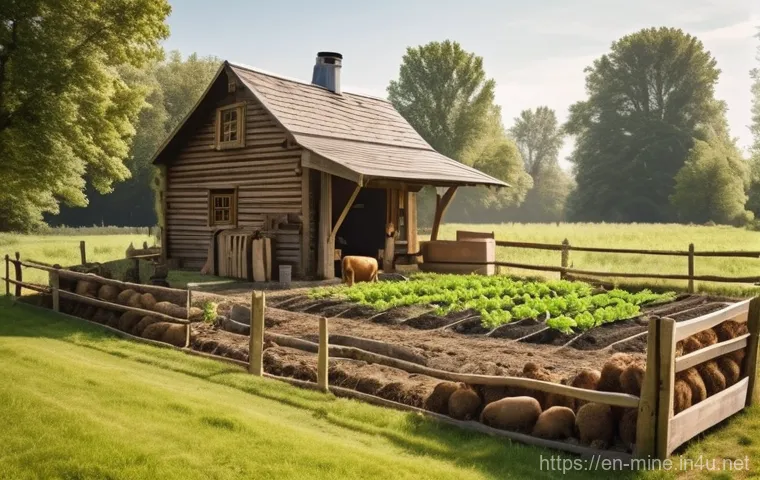
Setting up your first farm is incredibly rewarding and takes a huge weight off your shoulders. All you need is a hoe (crafted from two sticks and two of any material, wood to diamond), some water to hydrate your farmland, and seeds or vegetables. I always start with a small 9×9 plot of tilled dirt with a water source in the middle; it’s super efficient. Plant wheat, carrots, or potatoes, and watch them grow! It’s such a satisfying feeling to harvest your own crops. You can also start an animal farm by luring two of the same passive mob (like cows with wheat or pigs with carrots) into a fenced area and then breeding them. Soon enough, you’ll have a bustling little farm providing all the food you need, freeing you up for more exciting ventures. This consistent food supply will let you regenerate health faster and sprint more often, making all your explorations much safer and more enjoyable.
Diving Deep: The Thrills of Mining and Exploration
Minecraft is, after all, about mining! Once you’re comfortably fed and sheltered, the call of the underground becomes irresistible. This is where the real treasures lie: coal, iron, gold, redstone, lapis lazuli, and of course, those elusive diamonds! I remember the sheer excitement of finding my first diamonds – it felt like winning the lottery! When mining, always bring plenty of torches to light up caves and prevent hostile mobs from spawning. Never, ever dig straight down! It’s the golden rule for a reason; you risk falling into lava, a deep chasm, or right onto a mob’s head. Instead, dig in a staircase pattern or create a 2×2 shaft for safety. The deeper you go, the rarer and more valuable the ores become, but also the more dangerous it gets. Keep an eye on your pickaxe’s durability and always have a sword ready.
Unearthing Hidden Riches
There are a few strategies for effective mining. Branch mining, where you dig long tunnels branching off a central shaft, is a popular and efficient way to cover a lot of ground. Another fantastic way to find resources is exploring natural cave systems. These can be thrilling, but also quite perilous! Always carry a bucket of water with you; it’s a lifesaver for quickly putting out lava, cushioning falls, or creating quick escape routes. As you venture further from your base, consider crafting a map or writing down coordinates (F3 on PC) to avoid getting hopelessly lost. The world is vast, and there are so many biomes and structures to discover, from sprawling deserts to snowy mountains, dense jungles, and even underwater ruins. Don’t be afraid to explore, but always prioritize safety and a clear path back home.
Facing the Night: Mastering Mob Combat
No matter how well you build your shelter, sooner or later, you’re going to encounter hostile mobs. And trust me, that first time a creeper sneaks up on you, your heart will jump! My early combat attempts were, shall we say, “unrefined,” but over time, I’ve learned a few tricks. Your trusty sword is your primary weapon, but knowing *how* to use it is key. For most melee mobs like zombies, a simple hit-and-retreat strategy works well: hit them, then back up a step or two to avoid their attack, and repeat. Skeletons with their bows can be tricky; try to get close to them while strafing to avoid arrows, then unleash your melee attacks. A shield is invaluable here for blocking arrows. Creepers are the silent killers; if one starts to hiss and inflate, hit it once and sprint backward to get out of its blast radius.
Strategies for Survival Against Hostile Mobs
Different mobs require different approaches, and understanding their unique behaviors can be a real game-changer. Spiders, for instance, can climb walls, so simple fences won’t always keep them out. They are neutral during the day unless provoked, but aggressive at night. Endermen are fascinating and powerful; never look them directly in the eyes unless you’re ready for a fight, and if you do fight them, a great tactic is to attack from under a 2-block high overhang, as they can’t fit. For swarms of zombies, a wide sweeping attack (holding down attack for a moment before striking) can knock back multiple enemies. Always be aware of your surroundings, especially in caves. Listening for mob sounds can give you a crucial heads-up. Carrying a bucket of water can also be an amazing defensive tool; placing water down can push back mobs or even create a barrier, giving you time to escape or reposition. Don’t be afraid to run if you’re outnumbered or ill-equipped; sometimes discretion is truly the better part of valor!
Automating Your World: Introduction to Redstone
Once you’ve got the hang of basic survival, you might start looking for ways to make your life easier, or just build some seriously cool contraptions! This is where Redstone comes in – it’s Minecraft’s equivalent of electricity and mechanical engineering. When I first dabbled with Redstone, it felt like learning a new language, but the possibilities it unlocks are absolutely mind-blowing. Think automatic doors, hidden entrances, elaborate farms, and even complex calculators! Redstone dust acts like wires, transmitting power from sources like levers, buttons, or redstone torches to activate various devices. The signal strength degrades over distance, so you’ll quickly learn about repeaters to boost signals and comparators for more intricate logic. It might seem daunting at first, but starting with simple projects like a basic piston door or an automatic light system can be incredibly rewarding and spark your inner inventor.
Simple Circuits and Smart Solutions
To begin your Redstone journey, gather plenty of redstone dust (mined from redstone ore), sticks, and cobblestone for basic components. A great first project is a simple automatic farm, like a pumpkin or melon farm that uses pistons to harvest crops when they grow. Or perhaps a cool hidden door for your secret base! I still remember the thrill of getting my first Redstone door to open and close seamlessly; it felt like magic! Redstone torches are fantastic for providing continuous power or inverting signals, while levers and buttons offer interactive control. Experimentation is key with Redstone. Don’t be afraid to play around in a creative world to get the hang of how different components interact before bringing your designs into your survival world. There are countless online tutorials and communities dedicated to Redstone, and you’ll quickly find yourself drawing inspiration and building increasingly complex and useful contraptions. The satisfaction of seeing your automated systems work flawlessly is unparalleled, making your Minecraft experience even more dynamic and engaging.
글을 마치며
Phew, what a journey we’ve been on together! From punching that very first tree to setting up automated farms and even dabbling in the mysteries of Redstone, I hope you’re feeling a lot more confident about stepping into your own Minecraft adventure. It’s a game that truly rewards curiosity and creativity, and every single time I load up a new world, I still find myself discovering something new. Remember, the beauty of Minecraft lies in its endless possibilities, so don’t be afraid to experiment, explore, and most importantly, have a blast! Keep building, keep exploring, and who knows what amazing things you’ll create next!
알아두면 쓸모 있는 정보
1. Prioritize Shelter on Day One: Seriously, don’t mess around! The first night is brutal, and a simple dirt hut or a hole in a mountain can save you a lot of frustration. Gather wood, craft a pickaxe, get some stone for a furnace, and seal yourself in. It’s a rite of passage, and once you conquer it, the rest feels a lot smoother. Trust me, I’ve been caught out many times, and it’s never fun.
2. Never Dig Straight Down: This isn’t just a suggestion; it’s a golden rule! You risk falling into lava, deep chasms, or onto a pack of hostile mobs. Always dig in a staggered pattern or create a 2×2 shaft with ladders for safety. Your future self will thank you when you avoid a fiery demise. This simple rule has saved my inventory countless times.
3. Establish a Sustainable Food Source Early: Hunger will constantly deplete your health and prevent sprinting. Hunting is fine for a start, but quickly set up a small farm for wheat, carrots, or potatoes. It’s a game-changer for long-term survival and gives you the freedom to explore without constantly worrying about your next meal. Plus, breeding animals from your farm is super efficient.
4. Upgrade Your Tools Progressively: Wooden tools are just a stepping stone. Get to stone as quickly as possible, then iron, and eventually diamond. Each upgrade drastically improves mining speed and durability, making every task more efficient. Don’t cling to your old wooden pickaxe for too long; better tools mean faster progress and more fun!
5. Light Up Your Surroundings: Torches are your best friends! Hostile mobs only spawn in dark areas. Always place torches liberally, especially in your base, mines, and around any areas you want to keep safe. This simple act of lighting prevents countless nasty surprises and makes exploration much less stressful. I always carry stacks of them when I go caving.
중요 사항 정리
Alright, adventurers, let’s quickly recap the absolute essentials that will set you up for success in Minecraft. First and foremost, mastery of your immediate environment is key – securing wood, crafting basic tools, and building a safe, humble shelter before nightfall will always be your top priority. Remember that proactive resource management, from setting up sustainable food farms to systematically upgrading your tools from wood to stone to iron, forms the backbone of your journey. Always approach mining with caution, adhering to the ‘never dig straight down’ rule, and ensuring you have ample light to deter unwanted company. And when it comes to combat, understanding mob behaviors and utilizing a shield can turn a scary encounter into a manageable one. Lastly, don’t be intimidated by new mechanics like Redstone; start small, experiment, and embrace the boundless creativity this game offers. Minecraft is all about the journey, the discovery, and the incredible things you’ll learn to build along the way. Your world, your rules – now go make it legendary!
Frequently Asked Questions (FAQ) 📖
Q: How do I survive my very first night in Minecraft without getting completely wiped out by monsters?
A: Oh, the classic first-night panic! Trust me, we’ve all been there, staring at the sunset and wondering if we’ll make it until morning. My absolute top tip is to start punching trees the moment you spawn.
Get at least ten wood blocks, then craft a crafting table. From there, make some wooden tools – an axe for more wood, a pickaxe for stone, and maybe a sword just in case.
Your immediate goal should be a small, safe shelter. I usually just dig a 1×2 hole into the side of a hill and block myself in with dirt, or build a tiny 3×3 dirt shack.
Don’t forget to light it up! If you find coal, great, but if not, make a furnace, put some wood in the top slot and more wood in the bottom as fuel to make charcoal.
Then craft torches and place them inside your shelter; mobs cannot spawn in light! If you’re lucky enough to find three sheep before nightfall, you can shear them for wool (or punch them, I won’t tell!) and combine it with three wood planks to make a bed.
Sleeping in a bed skips the entire night, which is a literal lifesaver and a game-changer for beginners. Whatever you do, just stay safe inside until the sun rises.
Those creepers and zombies are relentless at first!
Q: Okay, I survived the first night! What are the most important things I should focus on next to actually start building and exploring?
A: Fantastic job! Surviving that first night is a huge milestone, and now the real adventure begins. In my experience, the very next step is to solidify your base.
You’ll want to build a slightly larger, more permanent structure than your dirt hut, something that feels a bit more like home. Make sure it’s well-lit both inside and out to prevent unwanted guests.
Inside, set up multiple chests to store all your precious loot – you’ll accumulate a lot, fast! Craft another furnace or two for smelting. Then, it’s time to go mining for proper resources.
Prioritize getting stone for stone tools, which are much more durable and efficient than wood. Keep an eye out for iron ore; once you find and smelt enough for an iron pickaxe, you can mine more valuable ores like gold and diamonds later on.
Also, a reliable food source is critical. Start a small farm with wheat, carrots, or potatoes, or hunt some animals. Trust me, you don’t want to be starving while out exploring a dark cave!
Q: Minecraft feels so huge and open-ended. How do I even decide what to do or set goals for myself beyond just surviving?
A: I absolutely hear you on that! The sheer freedom of Minecraft can be wonderfully overwhelming, but it can also make you feel a bit lost sometimes. What I’ve found really helps is to set small, achievable goals for myself, and then gradually build up to bigger projects.
Don’t feel like you need to conquer everything at once. Maybe your first goal is simply to build a visually appealing house that isn’t just a square box.
Or perhaps you want to establish a massive farm, or venture deep into a cave system to find diamonds. I always think about what aspect of the game excites me the most at that moment.
Are you a builder at heart? Start planning an epic castle or an automated farm. Do you love exploration?
Gear up with some good tools and armor and go on an expedition to find a village, a desert temple, or even a shipwreck. Maybe you’re fascinated by redstone?
Try building a simple automatic door. The beauty of Minecraft is that there’s no wrong way to play. Just pick one thing that sparks your interest, dedicate yourself to it, and you’ll find that one goal naturally leads to another.
That’s how I went from just trying to survive to building colossal themed bases and extensive rail networks!