Hey there, fellow Crafters and adventurers! Ever get that undeniable itch to peek behind the curtain, to see what amazing new wonders Mojang is cooking up for our beloved blocky worlds before anyone else?
I know I do! There’s just something thrilling about being on the cutting edge, diving into features that are still being molded and tweaked, right? That’s exactly what those incredible experimental updates are all about.
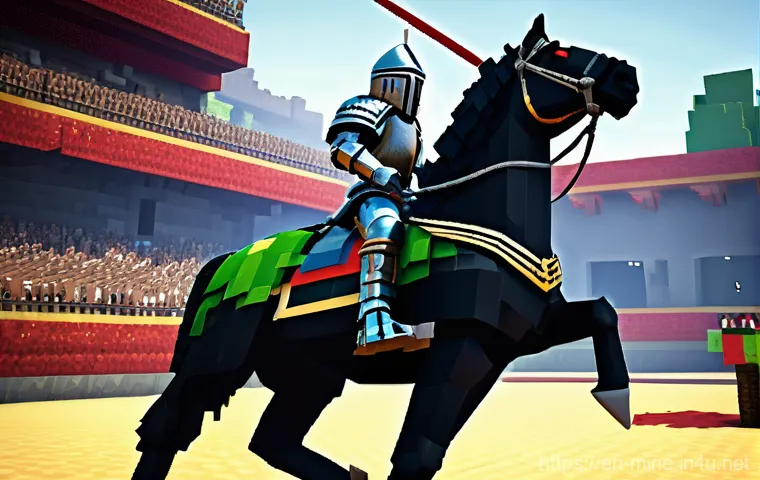
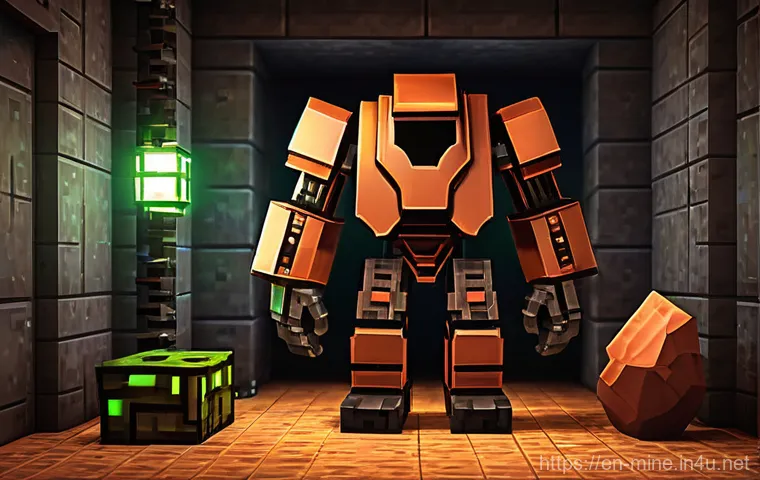
From playing around with the innovative Copper Golems that are now bringing a whole new level of automation to our bases, to getting an early glimpse of the upcoming “Mounts of Mayhem” that promise rideable zombie horses and even spears for epic jousting, it’s a wild ride.
We’re living in a dynamic new era where Mojang is frequently dropping these smaller, thematic updates, and it truly feels like we’re more involved than ever.
But let’s be real, experimenting isn’t always smooth sailing; sometimes it’s like wandering into a creeper convention. The excitement of new possibilities comes hand-in-hand with the risk of, well, a little chaos.
Knowing what to expect, how to jump in safely, and what epic (or occasionally buggy) features are on the horizon can make all the difference. So, if you’re ready to boldly go where few Minecrafters have gone before, to understand the ins and outs of these game-changing previews, and maybe even get a head start on mastering the next big thing, you’re in the right place.
Let’s delve deep into the fascinating world of Minecraft’s experimental updates and uncover all the secrets!
Diving into the Unknown: How to Join the Fun (Safely!)
Okay, so you’re itching to get your hands on those new features, right? Believe me, I totally get it! That feeling of being among the first to explore what Mojang has up its sleeve is just pure magic. But before you go barreling headfirst into a potentially buggy new world, let’s talk about how to do it smart. My personal golden rule, and something I learned the hard way after losing a truly epic build to an unforeseen snapshot crash, is to ALWAYS back up your existing worlds. It takes literally two minutes, and it could save you hours, days, or even weeks of heartbroken rebuilding. Seriously, don’t skip this step! Once you’ve got your precious creations safely tucked away, jumping into an experimental snapshot is actually pretty straightforward. You just need to enable experimental features when you’re creating a new world. It’s a little toggle in the world creation menu, usually right there next to the game mode options. It’s super exciting to see that pop up, knowing you’re about to step into uncharted territory. You might even find yourself constantly checking the Minecraft launcher for those new snapshot updates, just like I do!
Setting Up Your Experimental World
When you’re ready to create that brand-new world for your experimental adventures, make sure you’re doing it right. In the “Create New World” screen, you’ll see a section for “Experiments.” This is where the magic happens! You’ll usually find toggles for specific upcoming features. For instance, if you want to try out the new “Mounts of Mayhem” that are rumored to introduce rideable zombie horses and jousting spears – a feature I’m personally beyond thrilled for – you’d make sure that particular experimental toggle is switched on. Remember, these are often individual packs that you enable. I always create a separate, designated world for these experiments. It helps keep my main survival worlds pristine and safe from any unexpected issues. It’s like having a sandbox for your sandbox, a place where you can break things without consequence and just freely mess around. Trust me, it makes the whole experience so much more enjoyable when you don’t have to worry about corrupting your beloved long-term projects.
Navigating the Snapshot Chaos
Let’s be real: “experimental” means “not finished.” And that’s totally okay! It’s part of the fun, but it also means you might encounter some truly wild bugs. I’ve seen everything from blocks disappearing into the void, to animals phasing through walls, and even once, my entire inventory vanishing into thin air (thankfully, that was in an experimental world!). The key here is patience and a good sense of humor. Don’t go into these worlds expecting a perfectly polished experience. Instead, embrace the chaos! Think of yourself as a pioneer, venturing into the unknown. You’re not just playing the game; you’re helping to shape its future. If something breaks, take a moment to chuckle, then consider reporting it to Mojang. That’s how we, the community, contribute to making the final release even better. And hey, sometimes those bugs lead to hilarious moments or unexpected discoveries that become legendary stories among your Minecraft pals. It’s a rite of passage for any serious Minecrafter, in my opinion!
The Thrill and the Glitch: My Personal Journey with New Features
There’s absolutely nothing quite like the rush of logging into a new experimental snapshot and seeing those fresh, unreleased features for the very first time. I remember when Copper Golems were first introduced as an experimental mob; my jaw practically hit the floor! The thought of having these little oxidized buddies running around, randomly pressing buttons, immediately sparked a hundred new automation ideas for my bases. It’s moments like these that make all the potential glitches worth it. I spent hours just watching them wander, trying to predict their next move, and sketching out elaborate copper-powered contraptions. Of course, it wasn’t always smooth sailing. I distinctly recall one instance where a Copper Golem decided to push a button that activated a TNT trap I had forgotten about, leading to a rather spectacular (and unintentional) excavation project right outside my starter house. My immediate reaction was a mix of “Oh no!” and then a booming laugh. That’s the beauty of it, though. Every bug, every unexpected behavior, is a story waiting to be told, and it makes you feel like you’re truly part of the game’s evolution. It’s a genuine connection to the development process that you just don’t get from official releases.
Those First Impressions: What Really Stood Out
When a new experimental update drops, I always dive in with an almost childlike excitement. My first few minutes are usually spent just flying around in creative mode, soaking in all the new textures, sounds, and mob behaviors. It’s like unwrapping a present on your birthday! With the Copper Golems, for example, it wasn’t just their button-pressing ability, but their slow oxidation process that fascinated me. Watching them gradually turn green, then seeing if I could wax them back to their original shiny state, felt like a miniature science experiment within the game. It added a whole new layer of interaction and aesthetic possibilities that I hadn’t even considered before. And the sound design! Mojang always nails it. The subtle clinks and whirs of a Copper Golem are just perfect. It’s these small details that really stick with me and make me realize the incredible thought and effort that goes into every single addition, even in its earliest, rawest form. I truly believe that appreciating these initial iterations helps you understand the final product so much better.
When Things Go Sideways: Learning to Troubleshoot
As much as I adore the thrill of new features, I’ve also become quite adept at troubleshooting over the years, thanks to these experimental updates. Let’s just say I’ve become intimately familiar with the F3 debug screen! There have been countless times where a new block would cause unexpected lag spikes, or a new mob would refuse to despawn, leading to a crowded and chaotic world. My go-to strategy usually involves isolating the problem: removing recently placed blocks, despawning unusual entities, or even creating a fresh experimental world to see if the issue persists there. It’s like being a detective, piecing together clues to understand what’s gone wrong. And honestly, it’s made me a much savvier Minecraft player overall. I’ve learned so much about the game’s internal mechanics just by trying to fix things that weren’t supposed to be broken yet! Plus, there’s a real sense of accomplishment when you figure out a workaround or identify the root cause of a particularly stubborn bug. It turns potential frustration into a mini-game of problem-solving.
Peeking into the Future: What’s on Mojang’s Workbench?
The rumor mill surrounding Minecraft is always buzzing, but nothing gets my creative juices flowing like the official (and sometimes unofficial) hints about upcoming experimental features. It’s like getting an exclusive, behind-the-scenes tour of Mojang’s workshop! The “Mounts of Mayhem” concept, with its promise of rideable zombie horses and jousting mechanics, is absolutely captivating. Imagine the epic multiplayer battles, the new challenges in traversing the Nether, or even just the sheer joy of riding into battle on an undead steed! It’s these kinds of audacious ideas that keep me glued to every developer stream and every tiny forum post. My mind immediately starts spinning with the possibilities: what new farms could be built, what kind of PvP arenas would emerge, or how this could change transportation in late-game worlds. It’s not just about adding new content; it’s about fundamentally shifting the way we interact with our beloved game. And for someone who’s been playing for years, these kinds of game-changing updates are what keep the passion alive and well. It truly feels like the game is growing with us, continually evolving into something even more incredible.
Whispers of “Mounts of Mayhem”: A Glimpse into the Next Big Thing
Let’s talk about “Mounts of Mayhem” for a second, because this concept has me utterly buzzing! While it’s still in the experimental phase and subject to a ton of changes, the idea itself is revolutionary. Imagine not just riding a zombie horse, but being able to customize its armor, give it unique abilities, or even engage in full-blown jousting tournaments with your friends! My imagination immediately jumps to setting up grand medieval-style arenas, complete with spectator stands and elaborate obstacle courses for mounted combat. It’s not just about a new mob or a new item; it’s about an entirely new playstyle opening up. Think about how this could transform exploration, making long journeys more engaging, or even adding a new layer to mob farming. I’ve already started sketching out potential builds and strategies in my head, thinking about the best way to breed these mounts or how to integrate jousting mechanics into existing minigames. This is what truly excites me about experimental features – they aren’t just additions; they’re seeds for entirely new ways to experience Minecraft.
Beyond the Hype: Understanding Development Cycles
It’s super easy to get caught up in the hype when a cool new feature like “Mounts of Mayhem” is teased, but after years of following Minecraft’s development, I’ve learned to appreciate the journey, not just the destination. Experimental features are just that: experiments. They might change drastically, or even be shelved entirely, and that’s a crucial part of the development process. Sometimes, a brilliant idea just doesn’t fit with the game’s core mechanics, or it turns out to be too difficult to implement without breaking a thousand other things. Understanding this helps manage expectations. It also makes me appreciate the developers even more. They’re constantly trying new things, pushing boundaries, and listening to our feedback. So, while I’m incredibly excited for the possibility of jousting zombie horses, I also understand that the final product might look completely different, or might even arrive much later than anticipated. It’s all part of the fascinating, iterative dance of game development, and being a part of the experimental community means you get a front-row seat to that process.
Leveling Up Early: Mastering New Mechanics Before Release
If you’re anything like me, you don’t just want to *see* the new features; you want to *master* them. Getting a head start on experimental mechanics isn’t just fun; it can give you a real advantage when the full update finally drops. I’ve spent countless hours in experimental worlds, trying to figure out the optimal ways to use new blocks, exploit new mob behaviors, or build efficient contraptions with never-before-seen items. For example, when the new archeology mechanics were being tested, I dove deep into different shovel enchantments and pickaxe strategies, trying to find the quickest way to unearth artifacts. By the time the full release came out, I was already a seasoned explorer, able to efficiently find treasure and help my friends understand the best techniques. It’s a bit like getting a sneak peek at the answer sheet before a big exam. You’re not just playing the game; you’re actively preparing for its future, and that’s a truly unique and rewarding experience. Plus, being the person who can confidently explain a new, complex mechanic to your friends? That’s just bragging rights right there!
Building for Tomorrow: Practicing with Experimental Blocks and Items
The moment new blocks or items hit the experimental snapshots, my creative world instantly becomes a laboratory. I’ll grab stacks of the new materials and just start building, trying to understand their aesthetic potential, their redstone interactions, or their unique properties. For instance, when copper blocks were first introduced, I spent ages experimenting with their oxidation stages, seeing how they looked in different builds, and planning out architectural designs that incorporated their changing textures. It’s not just about seeing what’s new; it’s about figuring out how to *integrate* it into my existing building style or develop entirely new ones. I’ve found that this kind of hands-on practice makes a huge difference. By the time the update goes live, I’m not fumbling around; I’m already designing elaborate structures and contraptions that leverage the new content to its fullest. It’s like having a secret workshop where you can perfect your craft before showing it off to the world, and it feels incredibly satisfying to be ahead of the curve.
Farming for Knowledge: The Best Ways to Learn New Systems
Learning new systems in Minecraft experimental updates often feels like solving a fun puzzle. My approach usually involves a mix of direct experimentation and watching what others in the community are discovering. For example, if a new farming mechanic is introduced, I’ll dedicate a small plot in my experimental world to just that. I’ll try different layouts, various tools, and even try to break the system to understand its limitations. I also love scouring forums and Reddit threads, seeing what clever solutions other players are coming up with. Sometimes, someone discovers a genius exploit or an incredibly efficient method that I hadn’t even considered. It’s a truly collaborative learning process, and it really highlights the power of the Minecraft community. We’re all in this together, pushing the boundaries of what’s possible and sharing our findings. This collective intelligence ensures that by the time the features are finalized, we, as players, have already optimized and innovated in ways that even Mojang might not have initially imagined!
Why Your Input Matters: Becoming Part of the Development Story
It’s easy to think of game development as this opaque, distant process, but with Minecraft’s experimental updates, we, the players, get to be genuine contributors. Your feedback, your bug reports, and even just your casual observations in an experimental world are incredibly valuable. I’ve seen countless instances where community feedback directly led to changes, tweaks, or even the complete overhaul of a feature. Remember the early days of certain combat mechanics? Player feedback was instrumental in refining those systems. When you encounter a bug, or if something just doesn’t feel right, taking the time to report it isn’t just being helpful; it’s actively shaping the game you love. It transforms you from a passive consumer into an active participant in a global creative endeavor. There’s a real sense of pride that comes with knowing you’ve contributed, even in a small way, to making Minecraft an even better experience for millions of players worldwide. It’s a unique opportunity to leave your mark on gaming history!
Reporting Bugs: Your Role in Polishing the Game
Let’s be honest, nobody likes bugs. They can be annoying, frustrating, and sometimes even game-breaking. But in experimental snapshots, they’re not just nuisances; they’re opportunities. Whenever I stumble upon a bug, my first thought isn’t usually frustration, but rather, “Aha! Here’s my chance to help!” Mojang typically has dedicated bug reporting systems, and taking a few minutes to accurately describe the issue, provide screenshots, and detail the steps to reproduce it is incredibly impactful. Think of it as being a quality assurance tester, but for a game you’re truly passionate about. Your detailed report helps the developers pinpoint the problem much faster, allowing them to fix it before it makes it into the final release. It’s a small act that has a massive ripple effect, making the game smoother and more enjoyable for everyone. And honestly, there’s a quiet satisfaction in knowing that your precise description of a weird block interaction might have saved thousands of players from a headache down the line. It’s a powerful way to feel connected to the game’s ongoing story.
Sharing Your Discoveries: Inspiring the Community
Beyond just bug reporting, simply sharing your experiences, builds, and discoveries from experimental updates is a huge contribution. I love seeing what others are creating with the new blocks or how they’re creatively utilizing new mechanics. Whether it’s a forum post showcasing an innovative Copper Golem automation, a video demonstrating an unexpected interaction, or just a screenshot of a stunning build incorporating new textures, it all fuels the collective creativity of the Minecraft community. It sparks new ideas, inspires others to experiment, and helps us all see the full potential of these nascent features. I’ve personally learned so much from other players who’ve dived into experimental snapshots, often finding brilliant uses for blocks or items that I hadn’t even considered. It transforms the often solitary act of playing into a shared adventure, a collective exploration of the game’s evolving landscape. This communal sharing is what truly amplifies the impact of experimental updates, turning individual experiences into shared knowledge and inspiration.
| Feature Category | Stable Release Experience | Experimental Snapshot Experience |
|---|---|---|
| New Blocks/Items | Polished, fully functional, widely documented usage. | Potentially buggy, unclear mechanics, unique discovery opportunities. |
| Gameplay Mechanics | Balanced, optimized, seamlessly integrated into existing systems. | Unfinished, potentially unbalanced, early insight into future meta. |
| Mobs/Entities | Predictable behavior, stable AI, known strengths/weaknesses. | Unpredictable, experimental AI, early opportunity for interaction strategies. |
| World Generation | Consistent, well-defined biomes and structures. | Unstable, placeholder structures, unique world seeds possible. |
| Community Engagement | General gameplay discussion, tutorial sharing. | Bug reporting, feature feedback, collaborative discovery, direct impact on development. |
The Unseen Perks: More Than Just New Blocks
Engaging with Minecraft’s experimental updates offers so much more than just getting a sneak peek at upcoming features. It’s a journey of personal growth as a player, a chance to expand your creative horizons, and an incredible way to deepen your connection with the wider Minecraft community. I’ve found that by constantly challenging myself with these unfinished versions, my problem-solving skills have sharpened immensely. I’ve learned to adapt, to innovate on the fly, and to think outside the box when something inevitably doesn’t work as expected. It pushes you beyond simply following tutorials and encourages you to truly understand the underlying mechanics of the game. Plus, there’s an undeniable satisfaction in knowing that you’re exploring the bleeding edge, that you’re literally witnessing the birth of new gameplay elements. It injects a fresh dose of excitement and purpose into my Minecraft sessions, making sure the game always feels new and engaging, even after hundreds or thousands of hours of play. It truly revitalizes the entire experience, making it feel fresh and endlessly fascinating.
Igniting Creativity: New Tools, New Builds
One of the absolute best “unseen perks” of diving into experimental updates is the incredible boost it gives to my creativity. Even if a new block is just a placeholder texture, my mind immediately starts buzzing with ideas. “How can I use this?” “What kind of build would this look amazing in?” For instance, if there’s a new type of wood or stone, I’m instantly thinking about new architectural styles, new color palettes, or how it might blend with existing materials. The sheer act of having something *new* to play with, even if it’s imperfect, often breaks me out of creative ruts. It forces me to reconsider old building techniques or discover entirely new ones. I’ve often found myself creating some of my most unique and innovative builds in experimental worlds, simply because the new elements challenged my conventional thinking. It’s a fantastic way to keep your building skills sharp and to continuously evolve your personal aesthetic, always pushing the boundaries of what you thought was possible in Minecraft. It feels like getting a new set of art supplies, constantly inspiring fresh ideas.
Community Connection: A Shared Adventure
While playing Minecraft can often be a solitary experience, jumping into experimental updates instantly makes it a shared adventure. There’s a unique camaraderie among players who brave the snapshots together. We’re all experiencing the same bugs, celebrating the same exciting discoveries, and collectively trying to figure out what Mojang is planning next. I love hopping onto forums, Discord servers, or even just YouTube comments sections to see what others are saying, what they’ve found, or what theories they have about upcoming features. It’s a dynamic, ongoing conversation that adds a rich social layer to the game. You’re not just playing by yourself; you’re part of a global collective, all exploring the uncharted territories of Minecraft together. This sense of shared discovery and mutual support is truly invaluable. It transforms the act of playing a game into a vibrant, interactive community experience, making you feel more connected to the broader Minecraft universe than ever before. It’s truly one of the most rewarding aspects of being an experimental player.
글을마치며
And there you have it, fellow adventurers! Diving into Minecraft’s experimental snapshots isn’t just about getting a sneak peek at what’s next; it’s a truly dynamic way to engage with the game you love on a whole new level. It’s a journey filled with exciting discoveries, unexpected challenges, and the unique satisfaction of knowing you’re actively contributing to the evolution of a global phenomenon. From witnessing groundbreaking features in their nascent stages to helping iron out the kinks with your valuable feedback, you become an integral part of Minecraft’s ongoing story. So, next time you see that tantalizing “experimental features” toggle, don’t just pass it by. Embrace the unknown, back up your worlds, and jump into the fray! You’ll not only enhance your own gameplay but also help shape the incredible future of this blocky universe for millions around the globe. It’s an experience I genuinely believe every passionate Minecrafter should try, and trust me, it keeps the game feeling endlessly fresh and exciting.
알아두면 쓸모 있는 정보
Ready to venture into the untamed wilderness of experimental Minecraft? Before you leap, here are a few golden nuggets of wisdom I’ve picked up over countless hours of testing and exploring these early builds. These tips aren’t just about playing smarter; they’re about ensuring your experience is as rewarding and frustration-free as possible, allowing you to fully appreciate the cutting edge of Minecraft development while keeping your sanity (and your beloved builds!) intact. Trust me, a little preparation goes a long way in these wild, wonderful, and sometimes wonderfully buggy realms.
1. Always, and I mean ALWAYS, back up your main worlds before playing any experimental snapshot. This is non-negotiable! You never know when a bug might corrupt a save, and those precious creations are irreplaceable.
2. Create a dedicated, separate world for your experimental endeavors. Keep your long-term survival worlds pristine and safe from any unforeseen issues that might arise from unstable features.
3. Don’t be shy about reporting bugs. Your observations are incredibly valuable to Mojang! A detailed bug report helps the developers immensely in polishing the game for its official release.
4. Go in with an open mind and managed expectations. Experimental features are unfinished, meaning bugs, crashes, and changes are part of the deal. Embrace the chaos and enjoy the raw development process.
5. Engage with the community! Share your discoveries, ask questions, and learn from others. There’s a vibrant community of experimental players who love to discuss, troubleshoot, and innovate together.
중요 사항 정리
To wrap things up, remember that participating in Minecraft’s experimental features is more than just trying out new content; it’s about being an active part of the game’s ongoing development. You’re not merely a player; you’re a pioneer, a tester, and a contributor to the future of this beloved sandbox. By understanding the nature of these early builds, taking precautions like backing up your worlds, and actively providing feedback, you dramatically enhance your own experience while simultaneously helping Mojang craft an even better game for everyone. It’s a unique opportunity to gain a deeper understanding of game design, hone your troubleshooting skills, and connect with a passionate community of fellow explorers. So, gear up, dive in, and let your journey into the unknown be filled with wonder, learning, and the immense satisfaction of knowing you’re truly shaping the world of Minecraft.
Frequently Asked Questions (FAQ) 📖
Q: How do I actually get my hands on these experimental features in Minecraft? It sounds exciting, but also a little intimidating!
A: Oh, I totally get that feeling! It’s like standing at the edge of a brand-new biome, wondering what wonders (or creepers!) await. Luckily, Mojang has made it surprisingly straightforward to dive into these experimental goodies, whether you’re playing on Java or Bedrock Edition.
For us Java Edition players, it usually means opting into “snapshots.” When you launch your Minecraft Launcher, just go to the “Installations” tab, click “New Installation,” and then make sure the “Snapshots” checkbox is ticked.
This will let you see and select the latest snapshot versions, which often include the newest experimental features. Just remember to create a new world for these!
I’ve learned the hard way that mixing experimental features with your cherished main survival world can lead to some… interesting, and sometimes heartbreaking, glitches.
It’s always best to keep them separate, almost like a little sandbox for your sandbox game! Now, if you’re on Bedrock Edition, it’s even easier, but slightly different.
You’ll need to enable “Experimental Gameplay” toggles when creating a new world. Seriously, it’s just a few switches in the world creation menu. You’ll see options like “Wild Update features,” “Creator Features,” or specific named experimental toggles depending on what Mojang is currently testing.
From my own experience, toggling them on feels like unlocking a secret level! Again, a huge word of advice from me: only do this on worlds you’re willing to experiment with.
These features are still in development, so bugs and world corruption can, unfortunately, be part of the adventure. But honestly, the thrill of seeing what’s next makes it absolutely worth setting up a dedicated experimental world.
It’s a small step for a Minecrafter, a giant leap for your in-game creativity!
Q: What are the biggest risks or downsides I should be aware of when playing with experimental features? I’m excited, but I also don’t want to lose my progress!
A: That’s a super smart question to ask, and honestly, it’s one I wish I’d asked myself more often when I first started tinkering! The truth is, while experimental features are incredibly fun and offer a peek into the future of Minecraft, they come with a few caveats.
Think of it like this: you’re test-driving a concept car. It’s cool and futuristic, but it might not have all the bugs worked out yet! The biggest and most important warning I can give you, from my own numerous trials and errors, is the risk of world corruption or instability.
Because these features are actively being developed, they’re not fully polished. I’ve personally had worlds where new blocks glitched out, entities behaved strangely, or even entire chunks disappeared after an update because I was playing on an experimental version.
It’s genuinely disheartening when that happens, especially if you’ve put hours into a build. This is precisely why I always recommend creating separate, dedicated worlds for experimental gameplay, and never, ever enabling these features in your primary survival or creative worlds.
Think of these experimental worlds as disposable playgrounds – go wild, try everything, but don’t get too attached to their longevity! Another thing you might encounter is incompatibility with mods or resource packs.
If you’re like me and love to customize your game with shaders or texture packs, be prepared for some things not to work as expected, or even break entirely, when you’re on a snapshot or experimental toggle.
It’s a small price to pay for being on the bleeding edge, but definitely something to keep in mind if your aesthetic is a top priority. Lastly, and this is a subtle one, sometimes features get removed or drastically changed before they hit the main game.
I remember getting so hyped for a specific combat mechanic in an old snapshot, only for it to be completely re-worked or even scrapped. It’s part of the development process, but it can be a little bittersweet when something you loved doesn’t make the final cut.
So, go in with an open mind and a spirit of adventure, but also with a healthy dose of caution for your precious builds!
Q: How do these experimental updates actually influence the main game?
A: re we just testing stuff, or does it really shape what ends up in our regular Minecraft worlds? A3: This is where the magic really happens, and it’s one of the coolest things about Mojang’s approach!
Experimental updates aren’t just random tests; they are absolutely crucial in shaping the future of the main game. Think of it as a massive, community-driven feedback loop, and we, the players, are right at the heart of it.
From what I’ve seen and experienced over the years, these snapshots and experimental toggles are Mojang’s way of “soft launching” ideas. They introduce new blocks, mobs, mechanics, and even entire biomes to a wider audience, letting us play around with them and, most importantly, provide feedback.
My personal take is that our collective playtime and bug reports are invaluable to the developers. They watch how we interact with these new features, what we love, what we struggle with, and what breaks.
Remember the initial iterations of the Deep Dark or even some of the earlier mob vote concepts? They often went through significant tweaks based on how players reacted in these experimental phases.
So, yes, what you experience in an experimental world today could very well be a refined, polished version of what ends up in the next major Minecraft update!
It’s not just “testing”; it’s active co-development. Our bug reports help iron out the kinks, our creative uses (or abuses!) of new items inspire further development, and our general sentiment often guides the direction of features.
It gives us a real sense of being part of the game’s evolution, which for me, is a huge part of the fun. It’s like having a direct line to the developers, and honestly, that’s a pretty powerful feeling.
So when you’re diving into an experimental update, know that your playtime isn’t just for fun – you’re actively contributing to the future of Minecraft!