Hey there, fellow adventurers and digital explorers! It’s your go-to guide for navigating the ever-evolving world of online trends, and honestly, I couldn’t be more thrilled to share what’s been on my mind lately.
You know how much I love diving deep into what makes content truly tick, pulling back the curtain on those hidden gems that grab attention and keep you hooked.
I’ve personally experimented with countless strategies, from the freshest SEO hacks to crafting stories that just resonate, and trust me, there’s an art to it.
Building a thriving online presence isn’t just about throwing content out there; it’s about connecting, creating value, and understanding what makes your audience truly engage.
We’re talking about those viral moments, the discussions that light up your comments section, and ultimately, making your passion truly sustainable. Today, though, let’s switch gears slightly and talk about something close to many of our hearts: Minecraft.
Specifically, have you ever dreamed of crafting an epic arena battle map that becomes the talk of your server? One that truly tests skills, sparks intense rivalry, and leaves players buzzing for more?
I’ve spent countless hours meticulously designing and refining spaces where every block counts, every corner hides a strategic advantage, and every match is unforgettable.
It’s a fantastic creative outlet, and honestly, the sheer joy of seeing players experience your vision is unparalleled. Ready to transform your Minecraft world?
Let’s dive deep into making those epic arena battle maps, and I’ll show you exactly how to get started, step by step.
Forging the Perfect Foundation: Theme and Layout
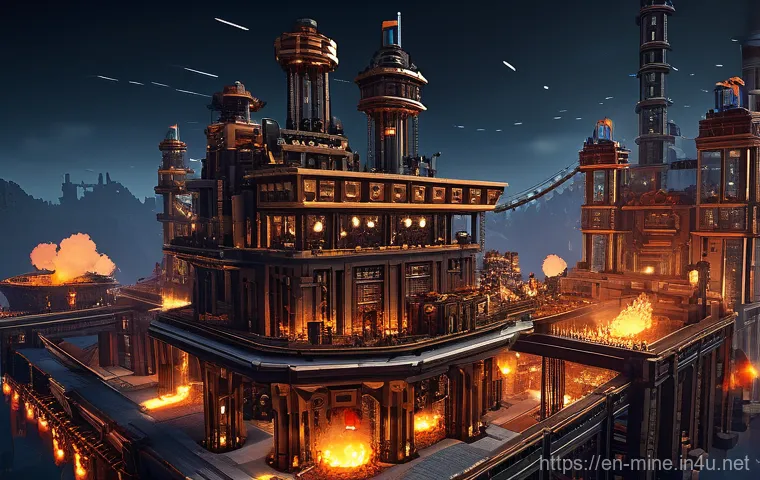
Alright, so you’ve got that spark, that brilliant idea for a Minecraft battle arena rattling around in your head. But where do you even begin? I’ve personally found that the absolute first step, even before placing a single block, is nailing down your arena’s core theme and its basic layout. Think about it: a bustling steampunk factory, a desolate lunar outpost, a mystical elven forest – each theme instantly conjures images of unique gameplay opportunities and aesthetic vibes. When I started my first big arena project, I skipped this initial planning, and boy, did I regret it. I ended up with a jumbled mess that felt less like an epic battleground and more like a blocky accident. Taking the time upfront to sketch out a theme, even just roughly on paper, truly sets the stage for a cohesive and exciting map. It helps guide every subsequent decision, from block palette to trap placement, ensuring everything feels intentionally crafted and part of a larger, immersive world. Don’t rush this part; it’s the soul of your future arena.
Dreaming Up Your Arena’s Core Identity
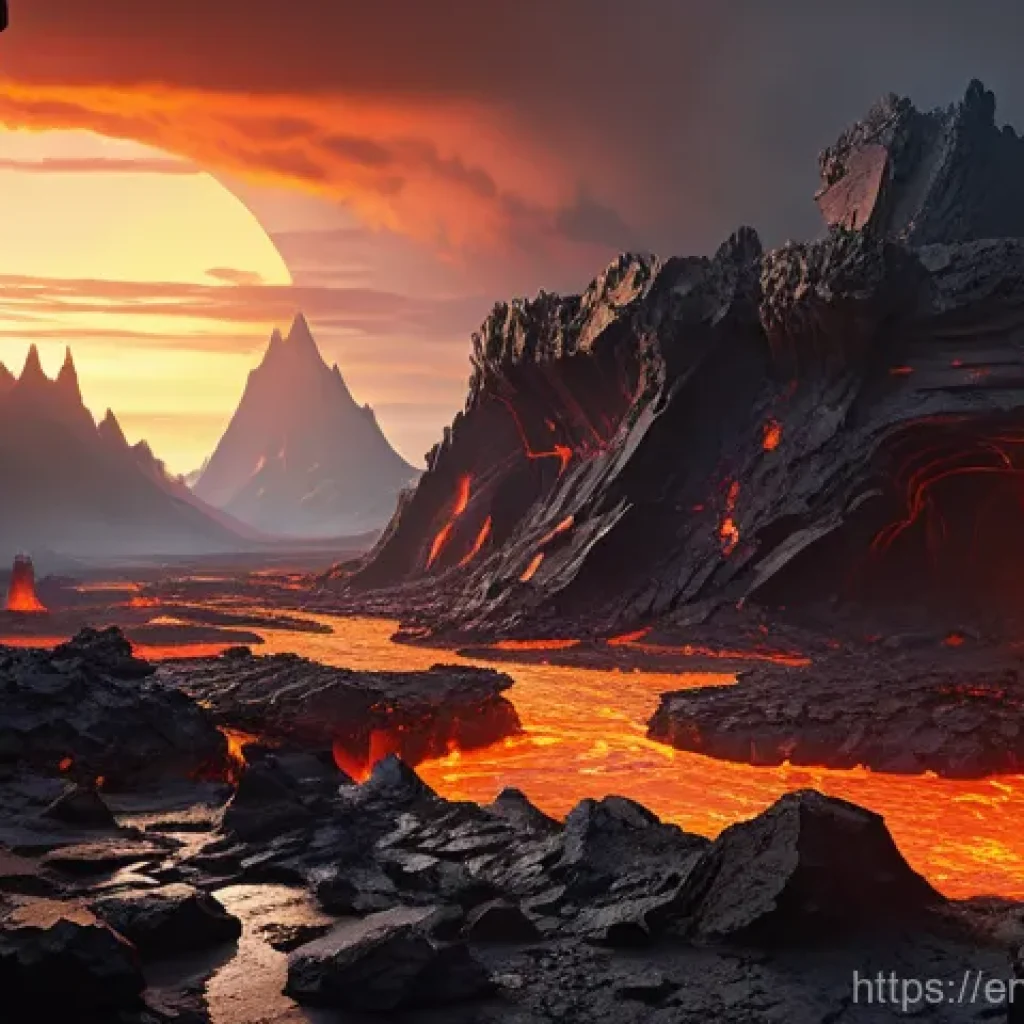
This is where you let your imagination run wild! What kind of story do you want your arena to tell? Are players gladiators in a forgotten coliseum, or stealthy assassins in a futuristic cityscape? I’ve had incredible success with themes that offer a clear visual identity and, more importantly, suggest distinct gameplay mechanics. For example, a “Frozen Tundra” theme might mean slippery ice blocks, hidden snow trenches, and blizzards that obscure vision, while a “Volcanic Cavern” could feature lava pitfalls and precarious obsidian bridges. My personal favorite arenas are those that lean into a strong concept and deliver on it throughout the entire build. I remember once trying to blend a jungle theme with a desert theme, thinking I was being creative, but it just ended up feeling confused and disjointed. Trust me, picking one strong theme and sticking to it will make your arena feel professional and incredibly immersive. It’s all about creating an atmosphere that grabs players the moment they spawn in.
Blueprint Basics: Sketching Out the Flow
Once you’ve got that killer theme, it’s time to think about the flow. How do players move through your arena? Where are the natural choke points, the flanking routes, the high-ground advantages? I always recommend doing a rough top-down sketch of your arena’s footprint. You don’t need fancy software; even graph paper or a napkin works wonders. Mark out spawn points, central objectives, and potential cover. My goal is always to create a balanced map that prevents camping while encouraging dynamic movement and diverse combat styles. A well-designed layout offers multiple paths to engagement, giving players choices and keeping them on their toes. I recall spending an entire afternoon just moving spawn points around on a paper sketch for one of my most popular maps until the flow felt absolutely perfect. It’s an iterative process, and seeing it visually before you build saves so much time and effort later on.
Strategic Structures: Crafting the Combat Zone
Okay, so you’ve got your theme and a solid layout sketched out. Now, let’s talk about the nitty-gritty of building the actual combat zone. This isn’t just about placing blocks randomly; it’s about intentional design that influences every fight. The structures you incorporate — walls, platforms, obstacles — are essentially tools that shape player movement and strategic decisions. I’ve seen so many maps fall flat because they either had too much open space, leading to boring long-range sniping, or too many enclosed corridors, resulting in frustrating close-quarters chaos. The trick is finding that sweet spot, that perfect balance that encourages diverse engagements. When I’m building, I constantly ask myself, “If I were a player, where would I go? What would I exploit?” This player-centric perspective is crucial for designing a truly engaging and fair arena. It’s like choreographing a dance, but with explosions and swords!
The Art of Cover and Concealment
Cover is your best friend when designing a battle arena. It breaks sightlines, allows for tactical retreats, and provides crucial breathing room in intense firefights. However, there’s a fine line between adequate cover and an arena that feels like a maze of impenetrable bunkers. My rule of thumb is to offer plenty of cover, but make sure it’s destructible or flankable. Think about low walls that can be jumped over, pillars that offer temporary refuge, or even strategically placed trees in a forest arena. I remember one map where I placed indestructible obsidian towers everywhere, and it just led to endless stalemates. Players would just peek-shoot from behind cover, and nothing ever progressed. Varying the height and material of your cover elements adds another layer of strategy, forcing players to adapt on the fly. Don’t forget about concealment either – tall grass, dense foliage, or even shadowy corners can offer opportunities for stealthy ambushes, adding an exciting dimension to gameplay.
Verticality: Adding Another Dimension to Battle
Flat arenas are, frankly, boring. Introducing verticality is one of the quickest ways to elevate your arena from good to legendary. Platforms, multi-tiered structures, elevated pathways, and even deep pits force players to think in three dimensions. I personally love maps that have clear high-ground advantages, but also viable ways for players on the low ground to counter-attack or flank. Imagine scaling a wall to get the drop on an enemy, or diving from a high platform to escape a pursuing foe. My most memorable arena builds always incorporate a blend of accessible high points and treacherous low areas. It’s not just about aesthetics; it profoundly impacts gameplay by creating dynamic engagements and strategic opportunities. Just be careful not to make things *too* difficult to navigate; no one likes falling into the void by accident for the tenth time!
Environment as Weapon: Elevating Gameplay with Interactive Elements
Now, this is where things get really spicy! Beyond just static structures, making your environment interactive can turn a good arena into an unforgettable one. Think about how the very ground beneath players’ feet, or the structures around them, can become part of the battle itself. I’ve spent countless hours experimenting with different redstone contraptions and natural Minecraft mechanics to bake dynamic elements right into the map. It adds a layer of unpredictability and chaos that keeps players on their toes and ensures no two matches ever feel exactly the same. When I was first starting out, I always focused purely on layout, but adding environmental hazards or interactive elements changed everything. It felt like my maps suddenly came alive, fostering those incredible “did you see that?!” moments that players rave about. This is where you can truly show off your expertise and craft something unique.
Traps, Triggers, and Tactical Terrain
Who doesn’t love a good trap? Or perhaps a terrain feature that suddenly shifts the tide of battle? This is your chance to get creative with redstone and clever block placement. I’ve designed arenas with hidden pressure plates that trigger a barrage of arrows, sticky pistons that open up lava pits, or even strategically placed TNT blocks that players can activate to reshape the battlefield. It’s not about making things unfair; it’s about adding a layer of risk and reward. Should a player risk crossing that suspicious-looking bridge? Will they fall into a pit if they chase an enemy too aggressively? My absolute favorite element is a well-timed, player-activated choke point that can dramatically change the flow of combat. It makes players think critically about their movements and the environment around them. I’ve seen players win entire matches just by cleverly utilizing a trap they set earlier, and that’s the kind of epic narrative we’re aiming for.
Harnessing Power-Ups and Supply Drops
To keep the action fresh and provide comeback mechanics, I always sprinkle in power-ups or supply drops. These aren’t just arbitrary additions; they’re carefully placed motivators that encourage players to venture into riskier areas. Imagine a chest that spawns valuable enchanted gear in the center of the map, forcing a frantic scramble, or a hidden lever that momentarily grants invisibility. I’ve experimented with everything from basic health potions to custom command-block-driven abilities. The key is to make these power-ups impactful but not game-breaking. They should offer a temporary advantage or a strategic opportunity, not a guaranteed win. My most successful arenas feature a variety of power-ups, some easily accessible and others requiring more daring maneuvers. This adds another layer of decision-making and keeps players guessing. Remember, a little boost can go a long way in turning the tide of battle and making someone feel like an absolute legend.
To help you visualize some common interactive elements and their impact, I’ve put together this quick table:
| Element Type | Description | Strategic Impact | Best Use Cases |
|---|---|---|---|
| Lava Pitfalls | Areas of exposed lava that deal damage upon contact. | Denies areas, creates kill zones, forces movement. | Choke points, high-traffic pathways, under bridges. |
| Piston Bridges | Bridges that extend or retract via redstone pistons. | Controls access, creates temporary shortcuts/barriers. | Gap crossings, dynamic objectives, escape routes. |
| Explosive Blocks (TNT) | Player-activated TNT that alters terrain or damages players. | Environmental destruction, area denial, surprise attacks. | Destroyable cover, opening new paths, booby traps. |
| Item Spawners | Dispensers or chests that periodically provide useful items. | Encourages objective play, provides strategic advantages. | Central objectives, contested areas, hidden nooks. |
Aesthetic Alchemy: Making Your Arena Pop and Shine
Once the gameplay mechanics are solid, it’s time to infuse your arena with personality and visual flair. This is where your theme truly comes to life! You could have the most brilliantly designed trap system or the most balanced layout, but if your arena looks bland, players might not stick around long enough to appreciate it. I’ve seen builds that are technically perfect but just lack that certain “oomph.” Think of it like this: you’re not just building a game space; you’re crafting an experience, and aesthetics play a massive role in immersion. I personally find immense satisfaction in seeing my arenas go from functional block clusters to visually stunning masterpieces. It’s about taking your initial theme and letting it explode into every detail, making the environment tell a story even without words. Don’t underestimate the power of a stunning visual presentation; it’s often the first thing that hooks players.
Block Palettes and Environmental Storytelling
Choosing the right block palette is absolutely critical for setting the mood. Different blocks evoke different feelings and can instantly communicate your arena’s theme. For a sci-fi arena, I might lean heavily on smooth quartz, concrete, and iron blocks, with splashes of sea lanterns for futuristic lighting. For a dark fantasy theme, think mossy cobblestone, dark oak wood, and nether brick. But it’s not just about pretty blocks; it’s about how you use them to tell a story. Crumbling ruins suggest a forgotten history, overgrown paths imply neglect, and a pristine, well-maintained structure hints at an active, powerful presence. I always try to add little details—a discarded sword here, a broken crate there—that hint at past battles or ongoing struggles. These small touches add depth and make the world feel lived-in, not just built. It’s about inspiring players’ imaginations and making them feel like they’ve stepped into an epic tale.
Lighting, Shaders, and Visual Impact
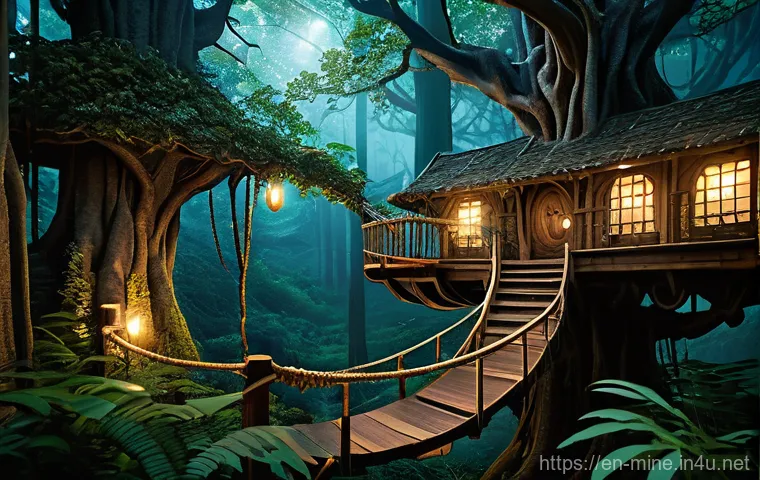
Lighting can completely transform the atmosphere of your arena. Bright, even lighting might suit a clean, futuristic map, while dynamic, shadowy lighting creates a sense of dread for a horror-themed build. I spend a surprising amount of time tweaking light sources – glowstone, sea lanterns, torches, even strategically placed lava – to achieve just the right effect. Beyond in-game lighting, consider how your arena will look with popular shaders. Many players use shaders to enhance their Minecraft experience, and designing with this in mind can make your map truly shine. Think about how light reflects off different textures, how shadows are cast, and whether your chosen block palette looks good with various shader packs. I remember building a beautiful sunset-themed arena, and when I first saw it with a good shader pack, it just blew me away. It was like seeing my vision truly come to life, amplified and gorgeous.
Refinement and Release: Polishing Your Masterpiece
You’ve poured your heart and soul into designing, building, and decorating your arena. It looks fantastic, the mechanics are solid, and you’re feeling pretty proud. But hold on a second! Before you unleash it upon the world, there’s a crucial, often overlooked, phase: testing and refinement. This isn’t just a quick run-through; it’s an intense, critical evaluation of everything you’ve created. I’ve personally learned the hard way that even the most meticulously planned arena will have unforeseen quirks and balance issues that only emerge during actual gameplay. Skipping this step is like baking a cake and never tasting it before serving – you might be missing a key ingredient or find it’s just not quite right. This is where your vision truly gets tested, and where you turn a good map into a truly great one that players will keep coming back to.
Rigorous Playtesting and Feedback Integration
This is probably the most important part of the entire process, and honestly, the most fun! Gather your friends, your server mates, or anyone you can convince to join you for some intense playtesting sessions. Encourage them to break the map, to find exploits, and to be brutally honest with their feedback. Are there any unfair spawn kills? Are certain weapons or areas overpowered? Is the map too big or too small for the intended player count? I always keep a notepad handy during playtests to jot down every single piece of feedback, no matter how small. My most successful arenas have gone through countless iterations based on player input. I remember one arena where everyone kept falling into a particular lava pit, and I initially thought they just weren’t careful. But after consistent feedback, I realized the jump was genuinely unfair, and a small adjustment made a huge difference. Listening to your players is key; they’re the ones who will ultimately determine your arena’s success.
Balancing the Battlefield and Eliminating Exploits
Based on that invaluable feedback, it’s time to fine-tune and balance. This might involve moving spawn points, adjusting the distribution of items, or even slightly altering the terrain to fix an unfair advantage. Pay close attention to potential exploits, like unreachable perches, areas where players can glitch out of bounds, or spots where players can camp indefinitely without being challenged. I spend a significant amount of time trying to “break” my own maps, thinking like a mischievous player looking for loopholes. It’s a bit like being a detective! The goal is to create an arena where skill, strategy, and a bit of luck are the main determinants of victory, not hidden glitches or unbalanced mechanics. This level of polish demonstrates your expertise and ensures that every player feels like they have a fair shot at winning, leading to much more enjoyable and competitive matches.
Beyond the Blocks: Nurturing Your Community and Iterating
So, your epic Minecraft battle arena is out there, players are diving in, and you’re seeing those positive comments roll in – awesome! But the journey doesn’t end when you hit the publish button. True influence and success in the content creation world, especially with something as dynamic as Minecraft maps, comes from continued engagement and a willingness to evolve. I’ve learned that the interaction with my community after a release is just as rewarding, if not more so, than the building process itself. It’s about fostering a loyal following who not only play your creations but also become invested in your future projects. This ongoing dialogue is what keeps things fresh and ensures your arenas stay relevant and exciting for the long haul. It’s truly a collaborative adventure, and I wouldn’t have it any other way!
Engaging with Players and Gathering Long-Term Insights
Once your map is live, keep those ears open! Monitor your server’s chat, check comments on forums or social media, and just generally pay attention to what players are saying. Are there specific areas they love? Any common complaints? Are new strategies emerging that you didn’t anticipate? This continuous feedback loop is gold. I always make an effort to respond to comments and engage with players because it shows them I value their experience and input. I remember one time a player pointed out a really obscure path that led to an unintended sniper nest in one of my maps, which I totally missed during playtesting. Their feedback helped me patch it up, and it made the map so much better. Staying connected helps you understand what truly resonates with your audience and builds that crucial trust that keeps them coming back for more of your awesome builds.
The Cycle of Improvement: Updates and Expansions
A great arena isn’t necessarily a finished arena. As players spend more time on it, new metas might emerge, or they might simply crave fresh experiences. Don’t be afraid to release updates! This could mean small balance tweaks, adding new power-ups, or even entirely new sections to the map. Think about seasonal variations, holiday themes, or special events that temporarily change the arena. This keeps things exciting and gives players a reason to revisit your creation. My most popular maps have often gone through several significant updates, each one injecting new life and bringing back lapsed players. It shows you’re committed to your work and that you’re continually striving to provide the best possible experience. Plus, honestly, there’s nothing quite like the feeling of seeing your community react positively to a fresh update – it’s incredibly motivating and truly makes all the effort worthwhile!
Wrapping Things Up
And there you have it! We’ve journeyed through the entire process, from that initial spark of an idea to the joy of seeing your community thrive around your creation. Building a Minecraft battle arena isn’t just about placing blocks; it’s a creative marathon, a puzzle, and ultimately, a fantastic way to connect with others. I truly hope these insights, gathered from countless hours of my own trial and error, empower you to craft an unforgettable experience. Remember, every block you place, every redstone circuit you wire, contributes to the grand narrative of fun and competition you’re building. Keep that passion burning, keep experimenting, and most importantly, keep enjoying the process!
Good to Know Info
1. Always Backup Your World:Seriously, I can’t stress this enough! Before making any major changes or updates, always create a fresh backup of your arena world. I learned this the hard way after a rogue command block wiped out hours of work once. It’s a simple step that can save you immense frustration and heartbreak. Just copy your world folder, it takes mere seconds!
2. Utilize Command Blocks for Dynamic Gameplay:Don’t be shy about diving into command blocks. They are absolute game-changers for adding custom power-ups, respawn mechanics, scoreboards, and even interactive events. They can automate so many things, freeing you up to focus on creative design. There are tons of tutorials out there; start with simple ones and work your way up. Trust me, they unlock a whole new dimension of possibilities!
3. Consider Different Player Counts:Design your arena with flexibility in mind. While you might build it for 8 players, think about how it scales for 4 or even 16. Providing different versions or slightly tweaking elements for varying player counts can dramatically broaden your audience and appeal. A map that feels perfect for 6 might be too empty for 20 or too cramped for 2.
4. Seek Diverse Feedback:Don’t just get feedback from your closest friends. Try to get a wide range of players with different skill levels and playstyles. A seasoned PvP veteran will notice different things than a casual player. This diverse input will highlight a broader spectrum of issues and ideas, leading to a much more robust and enjoyable arena for everyone. It’s like having a dozen extra sets of eyes on your project.
5. Don’t Be Afraid to Start Over:Sometimes, a design just isn’t working, and you hit a wall. It’s okay to scrap a section, or even an entire map, and start fresh with the lessons you’ve learned. My very first arena attempt was an absolute mess, and tearing it down and rebuilding from scratch, applying all my new knowledge, was the best decision I ever made. It’s not failure; it’s learning and refining your craft!
Key Takeaways
Throughout this journey of crafting exceptional Minecraft battle arenas, a few core principles consistently stand out in my own experience. First, remember that strong planning, beginning with a clear theme and a thoughtful layout, truly forms your bedrock. Without this foundation, even the most elaborate structures can feel disconnected and aimless. Secondly, never underestimate the power of strategic design in your combat zones; every piece of cover, every platform, and every interactive element should serve a purpose in fostering dynamic and engaging gameplay. It’s about creating a living, breathing battlefield, not just a static set piece. Thirdly, embracing environmental interactivity through traps, power-ups, and dynamic terrain elevates your arena from good to legendary, injecting that unpredictable fun factor that keeps players hooked. Lastly, and perhaps most importantly, the journey doesn’t end at launch. Continuous testing, active community engagement, and a willingness to iterate and update are what transform a temporary distraction into a lasting, beloved creation. Your players are your greatest resource, and their feedback is invaluable. By weaving together creative vision, technical know-how, and a genuine passion for player experience, you’re not just building a map; you’re building a vibrant community and leaving your unique mark on the Minecraft universe. So go forth, build something amazing, and watch your influence grow!
Frequently Asked Questions (FAQ) 📖
Q: What’s the very first thing I should think about when I want to build an epic Minecraft arena battle map? It feels like such a huge project!
A: Oh, trust me, I completely get that feeling! When I first started diving into building arenas, it felt like staring at an empty canvas, wondering where to even begin.
My personal tip? Don’t even touch a single block until you’ve got a solid concept in your head. Think of it like drawing a blueprint before you start hammering nails.
The absolute first step is to clearly define your arena’s purpose and its basic rules. Are you aiming for a classic free-for-all coliseum, a tactical 1v1 duel zone, or a sprawling battle royale map?
What kind of combat do you envision? Will players be able to build during the fight, or craft weapons on the fly? Laying down these “ground rules” from the get-go saves you so much headache later on.
Once you nail that, my next move is always to pick a theme. This is where the real fun starts! Do you want a sprawling medieval fortress, a futuristic space station, or a gritty, post-apocalyptic wasteland?
The theme isn’t just about looks; it deeply influences the gameplay, too. A jungle arena might have dense foliage for hiding, while a desert map could feature wide-open spaces and dangerous quicksand traps.
I always find that having a strong theme guides every other decision, from block palette to hidden pathways. And honestly, sketching out a rough outline on paper or even just in your head to gauge the overall size and flow before placing a single block is a game-changer.
This early planning ensures your combat space feels just right, not too cramped, not too vast.
Q: How can I make sure my arena is fair and balanced so everyone has a good time, and no one feels cheated?
A: This is probably the trickiest part, but it’s absolutely vital for creating an arena that people actually want to keep playing! I’ve been there, pouring hours into a build only to find out one spawn point gives an unfair advantage, or a certain corner is just too overpowered.
To avoid that heartache, my golden rule is “gameplay over glitz” during the design phase. Before you even think about intricate detailing, focus on the core mechanics like choke points and key areas of interest.
A huge part of fairness lies in your spawn points. You absolutely need to ensure that every player has an equally viable start, with no competitive advantages based on where they appear.
I usually build a basic layout, mark out all the potential spawn locations, and then test them relentlessly myself. But here’s a pro-tip from my own experience: recruit your friends!
Get a group together for constant playtesting. They’ll uncover imbalances, frustrating dead-ends, or accidental overpowered spots that you, as the creator, might overlook.
One trick I learned early on is something often called the “Point of Entry Rule” – basically, any good defensive position should always have at least two approaches.
This prevents campers and makes for a more dynamic, less predictable fight. Remember, an unbalanced map is a quick way for players to lose interest, no matter how cool it looks.
Making sure everyone feels like they have a fair shot is the secret sauce for replayability and keeping that AdSense revenue ticking!
Q: What are some creative ways to add unique features and make my arena truly stand out from all the others?
A: Ah, now we’re talking about putting your personal stamp on it! This is where you transform a good arena into an unforgettable one. I’ve experimented with so many ideas over the years, and the most memorable maps are always those with a little something extra.
Beyond just cool aesthetics, think about dynamic gameplay elements that keep players on their toes. One of my favorite things to do is integrate Redstone.
You can create fantastic traps like hidden pistons that open up lava pits, or even timed events like walls that shift, closing off pathways or revealing new ones.
Imagine a match where a central platform slowly descends into a dangerous void, forcing players into a smaller, more intense battleground! Environmental hazards are another fantastic way to spice things up.
Think about treacherous parkour sections over deadly drops, or areas where players can strategically push opponents into environmental dangers, like a river of acid or a deadly abyss.
And don’t forget the little details that add flavor and strategy. I love creating underground tunnels and secret passages. These aren’t just for show; they offer fantastic flanking opportunities, quick escapes for healing, or unexpected routes to surprise opponents.
You could even scatter unique custom loot or temporary power-ups (maybe through command blocks!) around the map to incentivize exploration and reward quick thinking.
Think about what makes your arena a story waiting to happen. The goal is to build spaces that spark intense rivalries and have players buzzing about that “epic moment” that could only happen on your map!