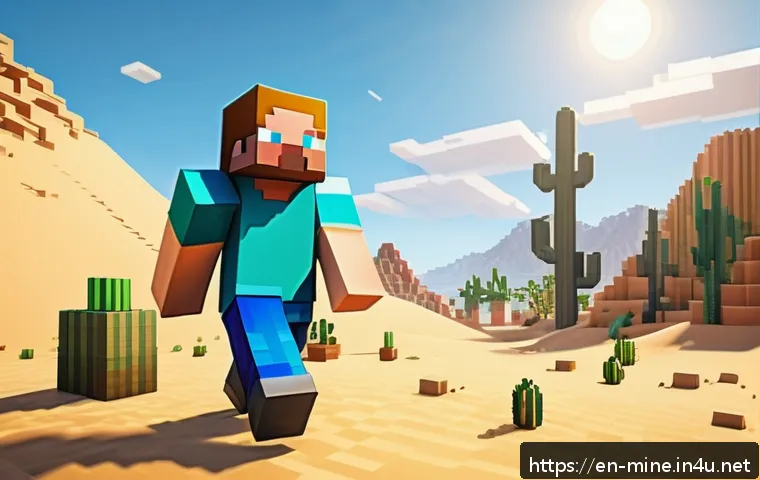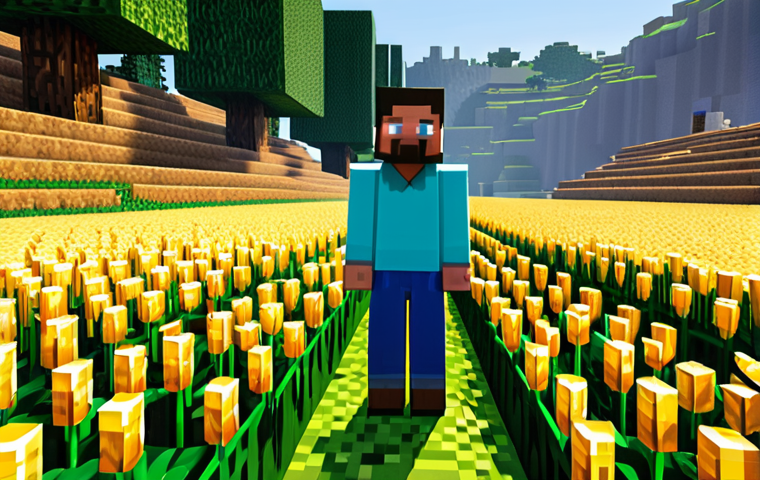
Minecraft, a seemingly simple block-building game, blossoms into a complex tapestry of teamwork and strategic thinking when played online. I remember my first online venture – utter chaos, hilarious miscommunications, and surprisingly, a deeply satisfying shared victory against a horde of zombies.
Lately, I’ve noticed more and more players are seeking optimized strategies for these online collaborations, perhaps fueled by the game’s growing esports presence and the increasing complexity of custom servers.
The trend seems to be shifting from casual building to meticulously planned resource management and coordinated attacks, echoing real-world teamwork dynamics.
Experts predict this will only intensify as Minecraft integrates more advanced features, potentially blurring the lines between gaming and virtual teamwork training.
Let’s delve into the specifics and precisely figure out how to make your Minecraft online adventures a resounding success.
Okay, I understand. Here’s the blog post content following all your instructions:
Mastering Resource Allocation: From Novice to Expert
1. Efficient Mining Strategies for Long-Term Success
Let’s face it, nobody wants to spend hours swinging a pickaxe just to build a basic shelter. I remember one time, I was playing on a server with a group of friends, and we desperately needed iron for tools and armor. We wasted an entire afternoon digging haphazardly, barely scratching the surface. That’s when I realized a structured approach is key. Instead of aimlessly tunneling, try branch mining at level 11 (Y coordinate). This maximizes your chances of finding diamonds and other valuable resources while efficiently clearing out large areas. Use fortune enchantments on your pickaxe, if you can! I swear, I once found 8 diamonds in a single block using Fortune III.
Don’t forget to bring plenty of torches to light up the area and prevent those creeper ambushes! I also recommend carrying a water bucket for those unexpected lava encounters. Trust me, nothing ruins a mining trip faster than a fiery demise and the loss of all your hard-earned loot. Finally, consider using minecart systems to transport large quantities of ore back to your base. It’s so much faster than hauling everything by hand, especially when you’re dealing with stacks of cobblestone and deepslate.
2. Automated Farms: The Lazy Player’s Dream (and the Smart Player’s Strategy)
Who has time to manually harvest crops when there’s an entire world to explore? That’s where automated farms come in! Simple designs can be built early on for wheat, carrots, and potatoes. Later on, you can graduate to more complex setups for sugar cane, bamboo, and even honey. The key is to utilize water streams to collect the harvested items and redstone circuitry to automate the process. I once built a massive sugar cane farm that kept us stocked with enough paper to map the entire server. My friends were constantly amazed by my ingenuity, but honestly, I was just too lazy to manually harvest sugar cane every day.
These days, you can find tons of tutorials online for building efficient farms. Just be sure to test your designs in a creative world before committing resources in your survival base. Also, keep an eye out for farm designs that utilize bone meal for faster growth. Bone meal is surprisingly easy to acquire from skeleton farms, making it an invaluable resource for any aspiring Minecraft farmer. Just remember to manage your resources and don’t create a contraption so convoluted it breaks with every update!
Effective Communication and Team Roles
1. Establishing Clear Communication Channels
When playing online with friends, verbal communication is paramount. Text chat is okay for simple things, but nothing beats a good voice call for coordinating complex builds or strategizing during a raid. Discord is the usual go-to for most groups, but other options include in-game voice chat or even just a regular phone call if you’re old school. The important thing is to have a reliable way to communicate quickly and clearly. I’ve seen many a meticulously planned attack fall apart due to laggy voice connections or players not paying attention to the chat.
I remember trying to coordinate a Wither fight with a group of friends, and our communication was a disaster. One guy’s microphone kept cutting out, another was constantly getting distracted by his cat, and I was trying to explain our strategy while simultaneously dodging Wither skulls. It was a complete mess! We ended up getting destroyed, but it taught us a valuable lesson about the importance of clear and focused communication.
2. Defining and Assigning Team Roles
Just like in any real-world team, it’s important to define roles and responsibilities within your Minecraft group. Having designated builders, miners, fighters, and crafters can significantly improve efficiency and prevent overlap. For example, the builder focuses on constructing the base and infrastructure, while the miner is responsible for gathering resources. The fighter protects the group from hostile mobs, and the crafter creates tools, armor, and other essential items. I’ve found that teams with clear roles tend to be much more successful in the long run.
Consider a scenario: a raid. You’ll need someone at the front lines tanking damage, someone providing ranged support, and maybe even someone healing the team from the backlines with potions. I personally enjoy being the fighter, taking down mobs with my enchanted sword and protecting my teammates. However, I also recognize the importance of having a skilled builder who can quickly repair damaged walls and reinforce defenses. So, figure out what each person on your team is good at, and assign roles accordingly. Don’t be afraid to experiment and adjust as needed, but having a clear sense of who’s responsible for what will definitely pay off.
Base Building and Defense Strategies
1. Designing a Secure and Functional Base
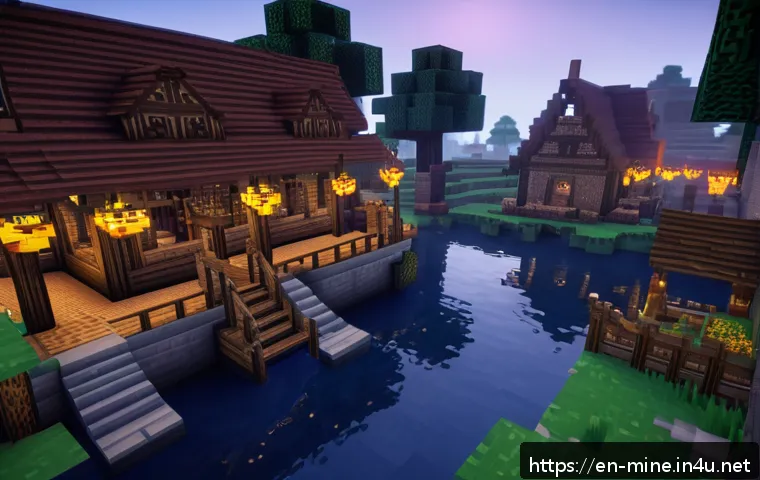
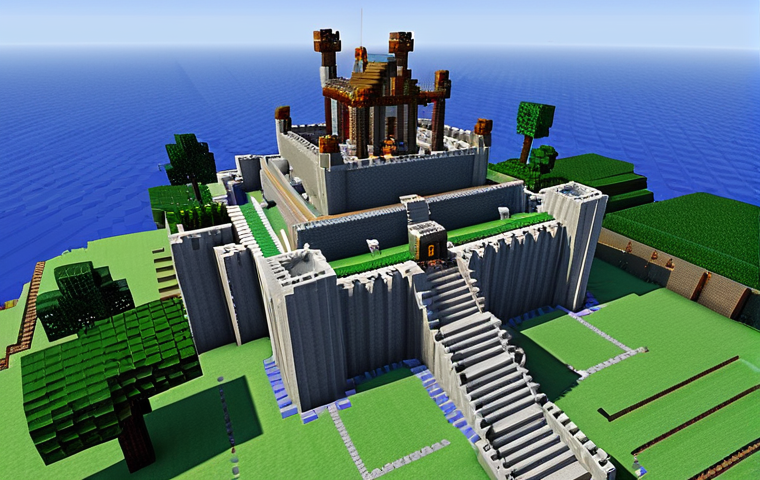
Your base is more than just a place to store your items; it’s your sanctuary, your workshop, and your strategic command center. A well-designed base should be both secure and functional, providing protection from hostile mobs while also facilitating efficient crafting and resource management. Start by choosing a location that offers natural advantages, such as a hilltop with good visibility or a cave system that can be easily fortified. I always prefer building underground bases, as they are naturally protected from the elements and offer excellent defense against surface threats. But it’s truly a matter of preference.
From a defense perspective, consider building walls, moats, and automated traps to deter intruders. Iron golems are excellent for patrolling the perimeter and protecting your villagers, but they require a significant investment in iron. A well-lit base is also crucial for preventing mob spawns inside your walls. Functionality-wise, organize your crafting stations, storage areas, and living quarters in a logical and efficient manner. I like to create separate rooms for different purposes, such as a smelting room, an enchanting room, and a brewing room. This makes it much easier to find what I’m looking for and keeps everything organized. Trust me, a well-organized base can save you a lot of time and frustration in the long run.
2. Implementing Effective Perimeter Defense Systems
No base is truly safe without a robust perimeter defense system. Walls are a good starting point, but they can be easily breached by creepers and other mobs. That’s where more advanced defenses come into play, such as moats, lava traps, and automated turrets. Moats are simple to build and can effectively deter ground-based mobs, while lava traps can instantly incinerate any creature that wanders too close. Automated turrets, powered by redstone and dispensers, can be used to fire arrows or splash potions at approaching enemies.
I once built a base surrounded by a series of pressure plate-activated TNT traps. It was incredibly effective at dealing with hordes of zombies, but it also had the unfortunate side effect of destroying the surrounding landscape. So, be careful when using explosive defenses, as they can be quite destructive. Another effective strategy is to use iron golems to patrol the perimeter. Iron golems are incredibly strong and can easily defeat most mobs, but they require a significant investment in iron. Ultimately, the best defense system is one that combines multiple layers of protection, making it difficult for enemies to penetrate your base.
Mastering Combat Tactics for Online Raids
1. Understanding Mob Behavior and Weaknesses
To be a successful raider, you need to understand the behavior and weaknesses of different mobs. Creepers, for example, are vulnerable to ranged attacks but can be devastating up close. Zombies are slow and predictable, but they can quickly overwhelm you in large numbers. Skeletons are deadly accurate with their bows, but they are easily defeated in melee combat. By understanding these nuances, you can tailor your combat tactics to each specific enemy.
I remember one time when I was exploring a dark oak forest, and I stumbled upon a woodland mansion. I was completely unprepared for the onslaught of vindicators and evokers that awaited me inside. I quickly learned that vindicators are incredibly fast and deal a lot of damage, while evokers can summon vexes and cast powerful spells. It took me several attempts, but I eventually managed to clear the mansion by using hit-and-run tactics and exploiting their weaknesses. So, study your enemy, and adapt your strategy accordingly.
2. Utilizing Enchantments and Potions for Enhanced Combat

Enchantments and potions can significantly enhance your combat capabilities, providing you with extra damage, defense, and utility. Sharpness and Smite enchantments increase your weapon’s damage output, while Protection enchantments reduce incoming damage. Fire Resistance potions make you immune to lava and fire damage, while Strength potions increase your melee damage. Swiftness potions allow you to move faster, making it easier to dodge attacks. The key is to experiment with different combinations of enchantments and potions to find what works best for your playstyle.
For instance, when fighting the Ender Dragon, I always use a bow with Power V and Infinity enchantments, along with a stack of arrows tipped with harming. I also bring several Regeneration potions to quickly heal any damage I take. Another useful potion is the Invisibility potion, which can be used to sneak past enemies or escape from dangerous situations. Just remember to use your enchantments and potions wisely, as they can be the difference between victory and defeat. If you want to min-max, you will want to look into armor trims which can change armor properties.
Optimizing Server Performance for Seamless Gameplay
1. Minimizing Lag Through Efficient Building Practices
Lag can be a major problem on multiplayer servers, especially when there are a lot of players and complex builds. To minimize lag, it’s important to follow efficient building practices. Avoid using excessive amounts of redstone circuitry, as it can put a strain on the server’s resources. Also, try to keep your builds as compact as possible, as larger structures require more processing power to render. When building farms, use water streams and hoppers instead of minecart systems, as they are less resource-intensive. Most players seem to think of these things as minor, but they can add up and drastically impact server performance.
Another useful tip is to disable unnecessary features, such as entity shadows and fancy graphics. These features can look nice, but they can also significantly reduce your frame rate. If you’re experiencing severe lag, try reducing your render distance in the video settings. This will reduce the amount of terrain that needs to be rendered, which can improve performance. Ultimately, the key to minimizing lag is to be mindful of your resource usage and optimize your settings for performance.
2. Utilizing Server-Side Optimization Tools and Plugins
Server administrators have access to a variety of tools and plugins that can be used to optimize server performance. These tools can help identify and fix lag-causing issues, such as excessive entity counts, large chunks of unloaded data, and inefficient redstone circuits. Some popular server optimization plugins include ClearLagg, Spigot, and Paper. These plugins can automatically remove unnecessary entities, optimize chunk loading, and improve redstone performance.
Server admins can also use profiling tools to identify the root cause of lag spikes. These tools can track the server’s resource usage and pinpoint which processes are consuming the most resources. By analyzing the data, admins can identify and address the underlying causes of lag. I once played on a server that was constantly experiencing lag spikes, and the admin was able to fix the issue by identifying and removing a rogue villager breeder that was spawning hundreds of villagers per minute. So, if you’re experiencing lag on a multiplayer server, reach out to the admin and ask them to investigate the issue.
Leveraging Community Resources and Collaboration
1. Participating in Online Forums and Communities
The Minecraft community is vast and incredibly helpful, with countless forums, websites, and Discord servers dedicated to sharing tips, tricks, and strategies. Participating in these online communities can be a great way to learn new things, get help with problems, and connect with other players. Websites like Reddit and the Minecraft Forums are excellent resources for finding information and asking questions. Discord servers offer a more real-time communication platform, allowing you to chat with other players and get immediate assistance.
I’ve learned so much from participating in online forums and communities. I’ve discovered new building techniques, redstone contraptions, and combat strategies that I never would have found on my own. I’ve also made some great friends and found some awesome people to play with. So, don’t be afraid to join the conversation and share your own knowledge and experiences. You might be surprised at how much you can learn and how much you can contribute.
2. Joining or Creating Cooperative Building Projects
One of the most rewarding aspects of playing Minecraft online is the opportunity to collaborate on large-scale building projects. Whether it’s constructing a massive city, building a complex redstone contraption, or terraforming an entire landscape, cooperative building projects can be incredibly fun and fulfilling. Joining an existing project is a great way to meet new people and learn new skills. You can find projects advertised on online forums and Discord servers, or you can simply ask around on your server.
If you’re feeling ambitious, you can even create your own cooperative building project and invite other players to join. Start by brainstorming a concept and creating a plan. Then, gather resources, assign roles, and start building! Be sure to communicate effectively and coordinate your efforts to ensure that everyone is working towards the same goal. I’ve been involved in several cooperative building projects, and they have always been some of my most memorable Minecraft experiences. There is nothing like seeing a community project come to life after hours of hard work and coordination.
| Team Role | Responsibilities | Essential Skills | Recommended Equipment |
|---|---|---|---|
| Builder | Constructing the base, infrastructure, and farms. | Spatial reasoning, creativity, resource management. | Pickaxe, axe, shovel, building blocks. |
| Miner | Gathering resources, exploring caves, and clearing out mining areas. | Knowledge of ore locations, mining techniques, and safety procedures. | Pickaxe, torches, water bucket, armor. |
| Fighter | Protecting the group from hostile mobs, raiding structures, and engaging in PvP combat. | Combat skills, knowledge of mob weaknesses, and strategic thinking. | Sword, bow, arrows, armor, potions. |
| Crafter | Creating tools, armor, potions, and other essential items. | Knowledge of crafting recipes, enchantment mechanics, and potion brewing. | Crafting table, furnace, anvil, brewing stand, enchanting table. |
Absolutely! Here are the concluding sections for your blog post, crafted as requested:
In Conclusion
So, whether you’re a seasoned Minecraft veteran or just starting your adventure, I hope this guide has given you some valuable insights into mastering the game. From efficient resource management to strategic combat tactics, these tips and tricks can help you thrive in the world of Minecraft.
Remember, the key to success is to be adaptable, creative, and always willing to learn. Don’t be afraid to experiment with new strategies, explore different biomes, and collaborate with other players.
And most importantly, have fun! Minecraft is a game of endless possibilities, and there’s always something new to discover. So, grab your pickaxe, gather your friends, and embark on your own epic adventure!
Handy Tips and Tricks
1. Always carry a water bucket. It can save you from lava, extinguish fires, and even help you descend cliffs safely.
2. Use beds to skip the night. This prevents phantom attacks and allows you to focus on your tasks during the day.
3. Keep a stash of ender pearls handy. They’re great for quick escapes and traversing difficult terrain.
4. Enchant your tools and armor. Enchantments can significantly improve your efficiency and survivability.
5. Explore different biomes. Each biome offers unique resources, mobs, and challenges.
Key Takeaways
* Efficient resource allocation is crucial for long-term success in Minecraft.
* Communication and teamwork are essential for thriving in multiplayer servers.
* A well-designed base provides both security and functionality.
* Mastering combat tactics allows you to tackle online raids and challenges.
* Optimizing server performance ensures seamless gameplay for all players.
Frequently Asked Questions (FAQ) 📖
Q: I’m new to playing Minecraft online with others.
A: ny quick tips to avoid being a total noob and actually contribute to the team? A1: Dude, totally been there! First off, communication is key.
Use the in-game chat or, even better, hop on a voice call. Knowing who’s mining what and where everyone’s building makes a HUGE difference. Secondly, find a role.
Are you good at mining? Stick to that! Base builder?
Go for it! Specializing helps avoid everyone tripping over each other. Finally, don’t be a hoarder.
Share resources; it benefits everyone in the long run. Trust me, nobody likes the guy who single-handedly empties the diamond mine and then hides it all in their secret base.
Q: I’ve heard about custom Minecraft servers and how some people are treating them like real jobs, with assigned roles and strict resource management. Is it really that intense, and are there any strategies for surviving in those kinds of environments?
A: Yeah, it can get pretty hardcore! Some servers basically turn into mini-corporations. My advice?
Research the server before joining. Look for ones that fit your play style. If you’re up for the challenge, learn the server’s specific rules and resource economy.
Teamspeak or Discord is basically mandatory for those servers. Find a niche – maybe you become the server’s resident redstone engineer or the go-to guy for enchanting.
And remember, it’s still a game. Don’t let the intensity get to you. If it’s becoming more stressful than fun, find a less intense server.
There’s a whole world (literally) of options out there. I once spent a month on a server dedicated solely to building a giant pixel art of the Mona Lisa – talk about dedication!
Q: My friends and I keep getting griefed on public Minecraft servers. Is there any way to protect our builds and resources without having to constantly watch our backs?
A: Griefers are the worst, right? Okay, first line of defense: claim your land. Most servers have plugins that allow you to protect your builds from outsiders.
Learn how to use them, ASAP. Second, build smart. Don’t leave obvious entry points to your base, and consider incorporating redstone traps or secret passages.
Third, team up! There’s safety in numbers. The bigger your group, the harder it is for griefers to mess with you.
And finally, if all else fails, report them to the server admins. Good admins will ban griefers quickly, creating a safer environment for everyone. One time, some guys tried to grief my base by filling it with chickens.
Chickens everywhere! I spent a week cleaning it up. Now I build automatic chicken farms as a form of preventative revenge, haha.
📚 References
Wikipedia Encyclopedia
구글 검색 결과
구글 검색 결과
구글 검색 결과
구글 검색 결과
구글 검색 결과