Hey there, fellow adventurers and history buffs! You know, sometimes I look at the magnificent builds people create in Minecraft and just think, “Wow, the creativity in this community is truly limitless!” But what really captures my imagination is when that creativity turns towards bringing history back to life, block by glorious block.
It’s more than just stacking digital bricks; it’s about touching the past and understanding the stories etched into ancient stones. I’ve personally spent countless hours exploring incredible virtual recreations, from Roman coliseums to medieval castles, and let me tell you, there’s a unique thrill in wandering through a historically inspired landscape that you can almost feel.
Lately, I’ve been seeing a massive surge in projects dedicated to historical building restoration within Minecraft, and it’s absolutely fascinating. It’s not just for fun either; educators are leveraging Minecraft: Education Edition to engage students in active, hands-on learning, making history feel vibrant and real.
Imagine rebuilding a lost monument or immersing yourself in ancient civilizations – it’s a powerful way to connect with our shared heritage, fostering a deeper appreciation for cultural preservation.
These aren’t just one-off builds anymore; we’re talking about massive community efforts, sometimes even partnering with real-world heritage organizations like UNESCO and the National Trust, to immortalize sites that might otherwise be forgotten.
The game’s evolution, with its ever-expanding block palette and graphical enhancements, means our digital restorations are becoming more detailed and breathtakingly accurate than ever before.
It’s a trend that’s not only shaping how we interact with history but also building incredible virtual communities where creativity and learning intertwine.
Want to dive into some of the most inspiring Minecraft historical restorations and learn how you can get involved? Let’s explore this amazing world together!
Bringing the Past to Life, Block by Block
You know, there’s something truly magical about seeing a place you’ve only ever read about suddenly materialize before your eyes, even if it’s on a screen. I’ve spent countless hours wandering through incredible virtual recreations of ancient cities, majestic castles, and even long-lost wonders. It’s more than just stacking digital bricks; it’s about touching the past and understanding the stories etched into ancient stones. The level of detail and dedication that goes into these projects is simply breathtaking. I recall one particular evening, I stumbled upon a recreation of Ancient Rome, complete with the Colosseum, the Forum, and even the aqueducts, all meticulously built to scale. As I explored, I could almost hear the chariots thundering and the crowds roaring. It was an experience that transcended mere gaming, becoming a journey through time itself. This isn’t just about fun; it’s about a profound connection to human history and a creative expression that truly honors the ingenuity of past civilizations. It’s a testament to how a simple game can become a powerful tool for cultural appreciation and historical immersion, truly bringing history to life for a new generation.
The Magic of Digital Reconstruction
For me, the real magic happens when you delve into the research behind these builds. It’s not enough to just look at a few pictures; true digital reconstruction involves poring over archaeological plans, historical accounts, and even consulting with experts. I remember working on a small project myself, attempting to recreate a local historical landmark that had long since been demolished. The initial sketches and old photographs were a starting point, but it was only when I found detailed architectural drawings from the local historical society that the true essence of the building started to emerge. Every arch, every window, every little detail had a story, and translating that into Minecraft blocks felt like a personal quest. The iterative process of building, tweaking, and refining, constantly cross-referencing with historical data, is what makes these projects so incredibly rewarding. It’s an ongoing learning experience, and honestly, it’s far more engaging than any textbook I’ve ever read.
More Than Just a Game: A Cultural Canvas
What I’ve come to realize is that Minecraft, in this context, transcends being just a game. It’s a vibrant cultural canvas, a dynamic space where history enthusiasts, educators, and creative builders converge. It allows us to visualize, interact with, and even preserve parts of our global heritage that might otherwise remain abstract concepts or faded images in books. The sheer scale of some projects, like the entire city of London during a specific historical period or a sprawling ancient Egyptian metropolis, showcases the collective power of this digital medium. I’ve seen communities rally around these projects, each person contributing their unique skills – some are master architects, others meticulous researchers, and some just enthusiastic explorers. It’s a truly collaborative spirit that transforms pixels into powerful narratives, offering a tangible connection to our shared past and fostering a deeper appreciation for the architectural wonders our ancestors left behind.
My Personal Adventures in Pixelated History
You know, when I first started exploring these historical Minecraft builds, I was simply in awe of the craftsmanship. But over time, it became much more personal. I began seeking out specific eras or regions that fascinated me, diving headfirst into digital renditions of places like ancient Japanese temples or even Mesoamerican pyramids. There’s a tangible sense of discovery in wandering through these meticulously crafted environments. I recall one evening, I spent hours navigating a recreation of the Roman city of Pompeii, feeling the eerie silence of the ash-covered streets, imagining the bustling life that once filled them. It was a profound experience that brought history alive in a way no documentary or book ever could for me. It’s like stepping into a time machine, albeit a pixelated one, and being able to interact with history on your own terms. The ability to pause, examine every detail, and even rebuild sections ourselves, gives us a unique perspective on the past.
Discovering Forgotten Eras
One of the most rewarding aspects of this whole journey has been discovering periods of history I previously knew little about. For instance, I stumbled upon a truly incredible recreation of a Viking settlement. Before this, my knowledge of Vikings was fairly superficial, based mostly on popular culture. But exploring the longhouses, the shipyards, and even the defensive palisades built with such historical accuracy opened my eyes to their sophisticated culture and engineering. The builders had clearly done their homework, capturing the essence of Norse architecture and daily life. It ignited a spark of curiosity in me, sending me down a rabbit hole of research into Viking history and mythology. This is where Minecraft truly shines: it’s not just a game, it’s a gateway to learning. It actively encourages exploration and independent research, turning passive consumption of information into an active quest for knowledge, and I absolutely love that about it.
The Unseen Challenges of Authentic Builds
Behind every breathtaking historical recreation lies a mountain of effort and, honestly, a fair few headaches. From personal experience, achieving true authenticity is a monumental task. You’re not just building something pretty; you’re attempting to accurately represent something that actually existed, often with limited source material. I once tried to build a small Anglo-Saxon village, and I was constantly struggling with the correct roofing styles and the materials available at the time. Did they use thatch? What kind of timber? And how would the village layout actually have functioned? These questions constantly pop up, and finding the answers requires meticulous research, sometimes even involving consulting archaeological reports. It’s a painstaking process of trial and error, often tearing down entire sections to rebuild them when new, more accurate information comes to light. But that struggle is also where the deep satisfaction comes from, knowing that you’ve poured so much into making something as true to history as possible within the blocky confines of the game.
The Collaborative Spirit: Building History Together
What really sets the Minecraft historical restoration scene apart is the incredible sense of community. These aren’t just individual projects; many of the most impressive builds are massive collaborative efforts, sometimes involving hundreds of people from all corners of the globe. I’ve been part of a few smaller community builds myself, contributing to a medieval town square, and the feeling of working towards a shared vision is truly inspiring. Everyone brings their own skills to the table – some are incredible terraformers, shaping the landscapes, while others are master interior designers, adding those crucial finishing touches that bring a structure to life. The discussions, the shared research, the collective problem-solving – it all adds up to an experience far richer than building alone. It’s a testament to what people can achieve when they put their minds together for a common, historically significant goal, creating something far greater than any one person could accomplish.
Community Projects That Inspire
There are countless community projects out there that continue to blow me away. Think of initiatives like the “Build The Earth” project, which aims to recreate the entire planet in a 1:1 scale within Minecraft. While not strictly historical, many sub-teams within it focus heavily on accurate historical buildings within their regions. Or take projects specifically dedicated to reconstructing entire historical cities, like the Roman city of Londinium or medieval Paris. These are monumental undertakings, often managed by dedicated teams who coordinate hundreds of volunteer builders. I’ve seen some projects even develop their own custom texture packs to achieve greater historical accuracy, bringing new blocks and elements to truly capture the essence of different architectural styles. It’s a vibrant ecosystem of passionate individuals, and watching these digital worlds expand and become more detailed day by day is genuinely thrilling.
Partnering for Preservation
What’s truly exciting is when these virtual efforts extend beyond the game and forge connections with real-world heritage organizations. We’re seeing more and more instances of Minecraft builders partnering with entities like UNESCO, the National Trust, or local historical societies. Imagine being able to digitally explore a UNESCO World Heritage site that is otherwise difficult to access, all within Minecraft. This collaboration creates a powerful synergy: the game provides an accessible, engaging platform, while the heritage organizations offer invaluable historical data and authenticity checks. It’s a modern form of cultural preservation, reaching new audiences and fostering a deeper appreciation for physical heritage sites. I believe this trend will only grow, bridging the gap between digital and physical preservation, showing how virtual worlds can play a tangible role in safeguarding our shared past for future generations.
Learning Through Play: Minecraft in Education
As someone who’s always advocating for more engaging ways to learn, I absolutely love seeing how Minecraft: Education Edition is being leveraged to teach history. Gone are the days of dry textbooks and passive lectures! Now, students can actively participate in rebuilding ancient civilizations, exploring historical events as if they were there, and even conducting archaeological digs within the game. I remember hearing about a school where students rebuilt the ancient city of Troy, learning about its mythology, architecture, and the Trojan War through a hands-on, immersive experience. It’s not just about memorizing dates; it’s about understanding the context, the environment, and the daily lives of people from different eras. This approach transforms history from a collection of facts into a living, breathing narrative that students can literally walk through and interact with, making learning incredibly effective and, frankly, a lot more fun.
Engaging Young Minds with Ancient Worlds
The ability of Minecraft to capture and hold the attention of young minds is unparalleled. When you give students the tools to create and explore, they become deeply invested in the subject matter. Instead of just being told about the Roman Forum, they can build it, block by block, understanding its scale, its purpose, and its significance. This active engagement sparks curiosity and fosters critical thinking. I’ve seen examples where students are tasked with recreating a specific historical event, forcing them to research the setting, the characters, and the narrative, and then bring it all to life. It’s a powerful way to develop problem-solving skills, historical empathy, and a genuine appreciation for different cultures and periods. This interactive learning environment turns historical education into an adventure, allowing students to become historians and architects themselves, even if only in a digital realm.
From Textbooks to Terrain: Interactive History
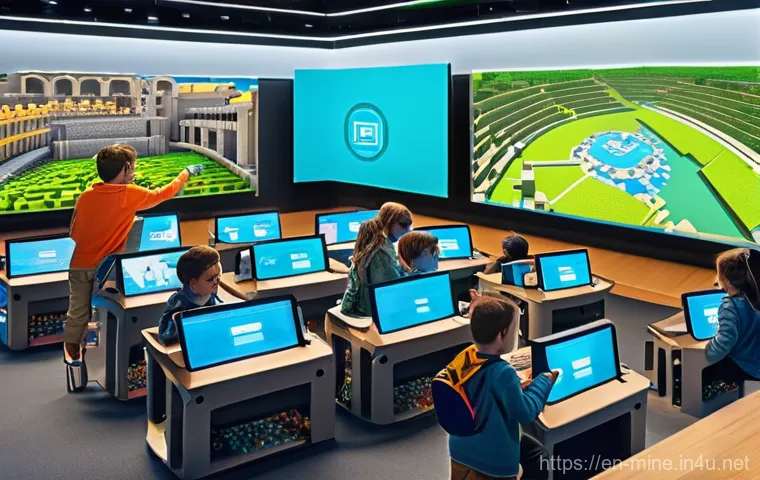
One of the biggest shifts I’ve observed is the move from a static, two-dimensional understanding of history to a dynamic, three-dimensional one. Textbooks are great for foundational knowledge, but they often lack the immersive quality that truly brings a historical period to life. With Minecraft, students can explore the intricacies of a medieval castle, understanding its defensive structures and daily functions, or walk through an ancient Egyptian tomb, piecing together clues about its purpose and the rituals it housed. This hands-on interaction makes history tangible and relatable. It’s about more than just remembering who ruled when; it’s about understanding the environment, the architecture, and the human stories behind the historical facts. This active form of learning not only improves retention but also cultivates a lifelong passion for history, turning potentially abstract concepts into vivid, memorable experiences that resonate deeply with learners.
Mastering the Craft: Tips for Aspiring Digital Architects
If you’re feeling inspired to dive into the world of Minecraft historical restoration, trust me, it’s a deeply rewarding endeavor. However, it’s also an art form that requires patience, research, and a bit of technical know-how. From my own experiences, the biggest tip I can offer is to start small and focus on a single, well-documented structure before tackling an entire city. Get comfortable with the block palette and how different textures can simulate various building materials like stone, wood, or even stucco. Understanding scale is absolutely crucial; a historically accurate building needs to feel right, not just look right from a distance. Don’t be afraid to experiment with different building techniques, like using stairs and slabs to create intricate details that mimic real-world architectural flourishes. And perhaps most importantly, join a community! Learning from seasoned builders and sharing your progress is invaluable for both motivation and skill development. It’s a continuous learning curve, but every successful detail you manage to nail brings a fantastic sense of accomplishment.
Tools of the Trade for Historical Accuracy
Beyond the basic blocks in your inventory, there are several tools and techniques that can elevate your historical builds from good to truly exceptional. From world editing plugins to custom texture packs, these resources can significantly enhance your workflow and the authenticity of your creations. I’ve found that using tools like WorldEdit can drastically speed up the terraforming and large-scale block placement, freeing you up to focus on the finer details. For highly specific historical textures, delving into custom resource packs can be a game-changer, allowing you to replicate specific types of ancient masonry or roofing that the default blocks just can’t quite capture. Here’s a quick rundown of some valuable assets:
| Tool/Resource | Description | Benefit for Historical Builds |
|---|---|---|
| WorldEdit | In-game map editor, allows for quick large-scale modifications. | Fast terraforming, block placement, and structural adjustments for grand builds. |
| VoxelSniper | Advanced terraforming and sculpting tool. | Precision shaping of landscapes, mountains, and natural features for realistic environments. |
| Custom Texture/Resource Packs | Modifies the game’s default block textures and sounds. | Recreates specific historical building materials (e.g., Roman bricks, medieval thatch) for authenticity. |
| Blueprint/Reference Images | Historical drawings, archaeological plans, photographs. | Essential for accurate scale, dimensions, and architectural details. |
| Replay Mod | Records and replays your gameplay, allowing for cinematic shots. | Captures stunning videos of your completed builds for showcasing and documentation. |
Researching Your Masterpiece
I cannot stress enough how vital thorough research is. It’s the backbone of any truly great historical Minecraft build. Before you even place your first block, you need to immerse yourself in the history of what you’re trying to recreate. This means diving into books, historical documents, archaeological reports, and even consulting with experts if possible. I always start by gathering as many blueprints, architectural drawings, and old photographs as I can find. Understanding the societal context – how people lived, what materials they had access to, the technological limitations of the time – will inform every design choice you make. For example, if you’re building a medieval castle, knowing about siege warfare will influence how you design the walls, towers, and gates. This deep dive into research isn’t just about accuracy; it also makes the building process infinitely more engaging and helps you appreciate the true ingenuity of historical architects. It genuinely feels like a journey of discovery, bringing a dusty old diagram to vibrant, blocky life.
The Evolution of Virtual Heritage: What’s Next?
Looking ahead, the future of historical restoration in Minecraft is incredibly exciting. What started as individual passion projects has evolved into a global movement, blending gaming, education, and cultural preservation in truly innovative ways. I honestly believe we’re just scratching the surface of what’s possible. As Minecraft continues to update with new blocks, features, and graphical enhancements, the potential for even more detailed and immersive historical recreations will only grow. Imagine dynamic builds that change over time to reflect different historical periods, or interactive elements that allow you to engage with the digital inhabitants of a past era. The blend of gaming and serious historical study is becoming increasingly seamless, and I’m genuinely thrilled to see how these virtual worlds will continue to shape our understanding and appreciation of human history. The possibilities are truly limitless, and I’m ready for whatever comes next!
Beyond Simple Recreations: Interactive Narratives
I envision a future where these historical Minecraft builds are more than just static models; they become living, breathing interactive narratives. Imagine walking through a meticulously recreated Roman villa, and being able to interact with non-player characters (NPCs) who tell you about their daily lives, guiding you through the historical context of the space. Or perhaps engaging in quests that are historically accurate, like helping to construct a specific part of a medieval cathedral, learning about the engineering and craftsmanship involved in the process. This shift towards interactive storytelling would transform the experience from passive observation to active participation, deeply immersing players in the historical era. It’s about leveraging the game’s mechanics to create educational experiences that are both incredibly fun and profoundly informative, turning every exploration into a personalized historical adventure. This is where I believe the true power of virtual heritage lies, moving beyond spectacle to truly teach and engage.
The Future of Digital Preservation
Ultimately, these Minecraft historical restorations are contributing to a crucial aspect of digital preservation. As real-world historical sites face threats from natural disasters, climate change, and urban development, their digital counterparts offer a permanent, accessible record. While a digital recreation can never fully replace the tangible experience of a physical site, it serves as an invaluable archive and an educational tool for generations to come. I’ve personally seen how these digital models can spark interest in physical preservation, inspiring people to support efforts to protect real-world heritage. As technology advances, we might even see these Minecraft models integrated with virtual reality (VR) or augmented reality (AR) experiences, blurring the lines between the digital and physical worlds even further. This isn’t just about playing a game; it’s about building a collective digital legacy, ensuring that the architectural wonders and historical narratives of our past remain accessible and understood by all, forever etched into the blocks of Minecraft.
Concluding Thoughts
Well, folks, what a journey it’s been exploring the incredible world of historical reconstruction in Minecraft! From deeply personal discoveries to massive collaborative efforts, it’s truly amazing how a game can become such a powerful tool for connecting with our past.
I hope my shared experiences have sparked a similar passion in you, whether you’re a seasoned builder or just curious about diving into digital history.
It’s more than just pixels; it’s about touching history, one block at a time, and forging meaningful connections with both the past and fellow enthusiasts.
Keep exploring, keep building, and never stop bringing those fascinating historical narratives to life!
Useful Information to Know
1. Dive Deep into Research First: Before you even place your first block, immerse yourself in the historical context of what you’re building. Scour archives for old blueprints, archaeological digs, and historical accounts. The more accurately you understand the past, the more compelling and authentic your digital recreation will be. Trust me, it makes all the difference.
2. Connect with the Community: You don’t have to go it alone! There’s a thriving community of passionate historical builders out there. Joining forums, Discord servers, or specific build teams can provide invaluable support, tips, and even opportunities for massive collaborative projects. It’s where I’ve learned some of my best tricks!
3. Leverage Modding and Custom Content: While pure vanilla building is admirable, don’t shy away from tools like WorldEdit or VoxelSniper for large-scale terraforming and structural work. Custom texture packs can also be a game-changer, allowing you to replicate specific historical materials and aesthetics that default blocks simply can’t achieve.
4. Think Beyond Just Building: Educate: These historical recreations are incredible educational tools. If you’re building something historically significant, consider how it could be used to teach others. Many educators are actively seeking engaging content, and your meticulously crafted world could become a classroom in itself. It’s truly rewarding to see people learn from your passion project.
5. See it as Digital Preservation: In an era where physical historical sites face numerous threats, your digital creations contribute to a vital form of cultural preservation. By accurately recreating these places, you’re helping to ensure that their stories and architectural marvels are accessible and understood by future generations, even if the originals are lost.
Key Takeaways
So, what’s the big takeaway from all this blocky historical adventuring? For me, it boils down to the incredible power of creative passion intersecting with historical understanding.
Minecraft isn’t just a game; it’s a dynamic canvas that transforms dusty historical facts into living, breathing environments. It allows us to step into the past, engage with its stories on a deeply personal level, and foster a profound appreciation for the ingenuity of our ancestors.
The collaborative spirit within this niche is truly heartwarming, bringing together enthusiasts from all walks of life to co-create monumental digital heritage sites.
Furthermore, its role in education is revolutionary, making history tangible and exciting for new generations, moving beyond rote memorization to active, immersive learning.
Ultimately, every meticulously placed block, every hour spent researching, contributes not just to a game world, but to a vital act of digital preservation, ensuring that the wonders of history remain accessible, understood, and celebrated for years to come.
It’s a testament to how virtual worlds can enrich our connection to the real one, making history not just something we read, but something we truly experience.
Frequently Asked Questions (FAQ) 📖
Q: What makes Minecraft such a powerful tool for bringing history to life, and why are so many people diving into these historical restoration projects?
A: You know, it’s really something special when you see a game like Minecraft transcend mere entertainment and become a vibrant canvas for education and cultural preservation.
For me, the magic lies in its accessibility and sheer creative freedom. Think about it: traditional history lessons can sometimes feel a bit distant, right?
But when you’re actually building a Roman villa or meticulously recreating a medieval castle block by block, you’re not just passively learning facts; you’re actively engaging with the architecture, the scale, and the sheer effort that went into these historical marvels.
It’s a hands-on experience that solidifies understanding in a way textbooks simply can’t. I’ve personally spent hours getting lost in these virtual worlds, and I always emerge with a deeper appreciation for the past.
People are flocking to these projects for a few fantastic reasons. First off, there’s the sheer joy of creation – it’s incredibly satisfying to see a ruin transformed into its former glory.
Then there’s the community aspect; often, these aren’t solo endeavors but massive collaborative efforts, sometimes even spanning continents! It’s incredible to witness players come together, sharing research and building tips, all driven by a shared passion for history.
Educators, too, are playing a huge role, especially with Minecraft: Education Edition. They’re realizing that students are far more engaged when they can literally step into a historical setting, explore it, and even contribute to rebuilding it.
It fosters critical thinking, problem-solving, and a genuine sense of empathy for past civilizations. Plus, with the game’s evolving block palette and graphics, our digital restorations are becoming breathtakingly accurate, making the experience even more immersive.
It’s like time travel, but with more creative control!
Q: Can anyone get involved in these historical builds, and what are some of the most impressive examples out there?
A: Absolutely, anyone can jump in! That’s one of the most beautiful things about the Minecraft historical restoration movement – it’s incredibly inclusive.
You don’t need to be a master builder to start; you just need curiosity and a willingness to learn. Many projects welcome builders of all skill levels, and there are tons of online communities, tutorials, and even dedicated servers where you can learn the ropes.
For those in education, Minecraft: Education Edition offers a treasure trove of resources, with lesson plans designed specifically for historical builds.
It’s a fantastic way to introduce younger players to history and architecture in a super engaging way. I’ve seen some incredible transformations from folks who started with just a basic understanding of the game!
As for impressive examples, oh my goodness, where do I even begin? The community has recreated so many iconic sites that it’s hard to pick just a few, but I’ll try!
I’ve personally been blown away by projects like the detailed recreations of European castles, like Corfe Castle or Kenilworth Castle, built in collaboration with organizations like English Heritage.
They even brought in historians to ensure accuracy down to the smallest detail of 16th-century interiors! Then there are the ambitious efforts to rebuild UNESCO World Heritage sites that have been tragically damaged or lost to conflict, like ancient monuments in Syria or Iraq.
It’s a powerful act of digital preservation. And have you seen some of the community projects where entire ancient cities, like those mysterious “ancient cities” in the game itself, are being reimagined and restored to their imagined prime?
Builders are turning those spooky, ruined structures into lush, vibrant civilizations, complete with farms and intricate street layouts. There are also incredible individual builds, like one-to-one scale replicas of the Roman Colosseum or even the Leaning Tower of Pisa, that just showcase the boundless dedication of these builders.
It really feels like a living, breathing digital museum!
Q: How do these virtual restorations actually help in the real world, beyond just being fun to build?
A: This is where it gets really exciting, because these virtual restorations go far beyond just a fun pastime; they have a tangible, positive impact on the real world.
From my experience watching these communities grow, I’ve seen firsthand how they ignite a passion for history and cultural heritage, especially in younger generations.
When you rebuild an ancient monument, you’re not just placing blocks; you’re researching its history, understanding its architectural significance, and connecting with the stories of the people who lived there.
This hands-on engagement fosters a deep appreciation for cultural preservation that might not otherwise develop. Beyond personal learning, these projects often serve as incredible educational tools.
Schools are using Minecraft to teach complex historical concepts, geography, and even empathy by asking students to rebuild events from specific historical perspectives.
Imagine rebuilding Pompeii and experiencing a simulated eruption, or designing a historical home and writing an essay from the perspective of someone living in that era!
Some initiatives, like the “History Blocks” project, even partner with organizations like UNESCO to digitally preserve sites that are at risk or have been destroyed.
These digital twins can serve as invaluable records for future study, a blueprint for potential physical restoration, or simply a way for people around the globe to experience these lost wonders.
It creates a global dialogue about our shared human heritage. Plus, these collaborations often generate a lot of buzz, shining a spotlight on real-world preservation efforts and encouraging donations or engagement with actual heritage sites.
It’s a powerful testament to how a virtual world can inspire real-world action and understanding.